Würzburger Ratskeller
The Würzburger Ratskeller lies beneath the Grafeneckart, a cluster of town-hall buildings from different eras gathered around a courtyard in central Würzburg. A tower and hall here date from around 1200. That makes the courtyard the only surviving secular building of the Staufer period, the years when the city first rose to importance. A document from 1180 records it as the seat of a prince-bishop's official. In 1212 the burgrave's deputy, Count Eckart, worked and lived here, and the courtyard took his name.
The cellar's own story begins with a different house. In 1577 the city built a beer tavern and a town clerk's house just northwest of the town-hall core. The city alone held the right to serve beer there, and that monopoly lasted until 1806. From 1664 onward the barrels came from the prince-bishop's own brewery. A finer room, the Ratsstube, poured good Steinwein for the city fathers. During their meetings a full cup circulated round the table, poured to refresh the mind.
The city council approved a new cellar on 3 March 1914. It opened on 31 January 1918, in lower rooms that had previously stored salt. An air raid on 16 March 1945 destroyed the restaurant, and it reopened in 1973. By 2011 the lighting, ventilation and kitchen technology lagged behind, and the dark interior no longer suited a younger audience. Architects began work early that year, and the doors reopened at the end of September. The way in still runs through the great portal set into the Grafeneckart's south side in 1695.
- City
- Würzburg
- Content updated
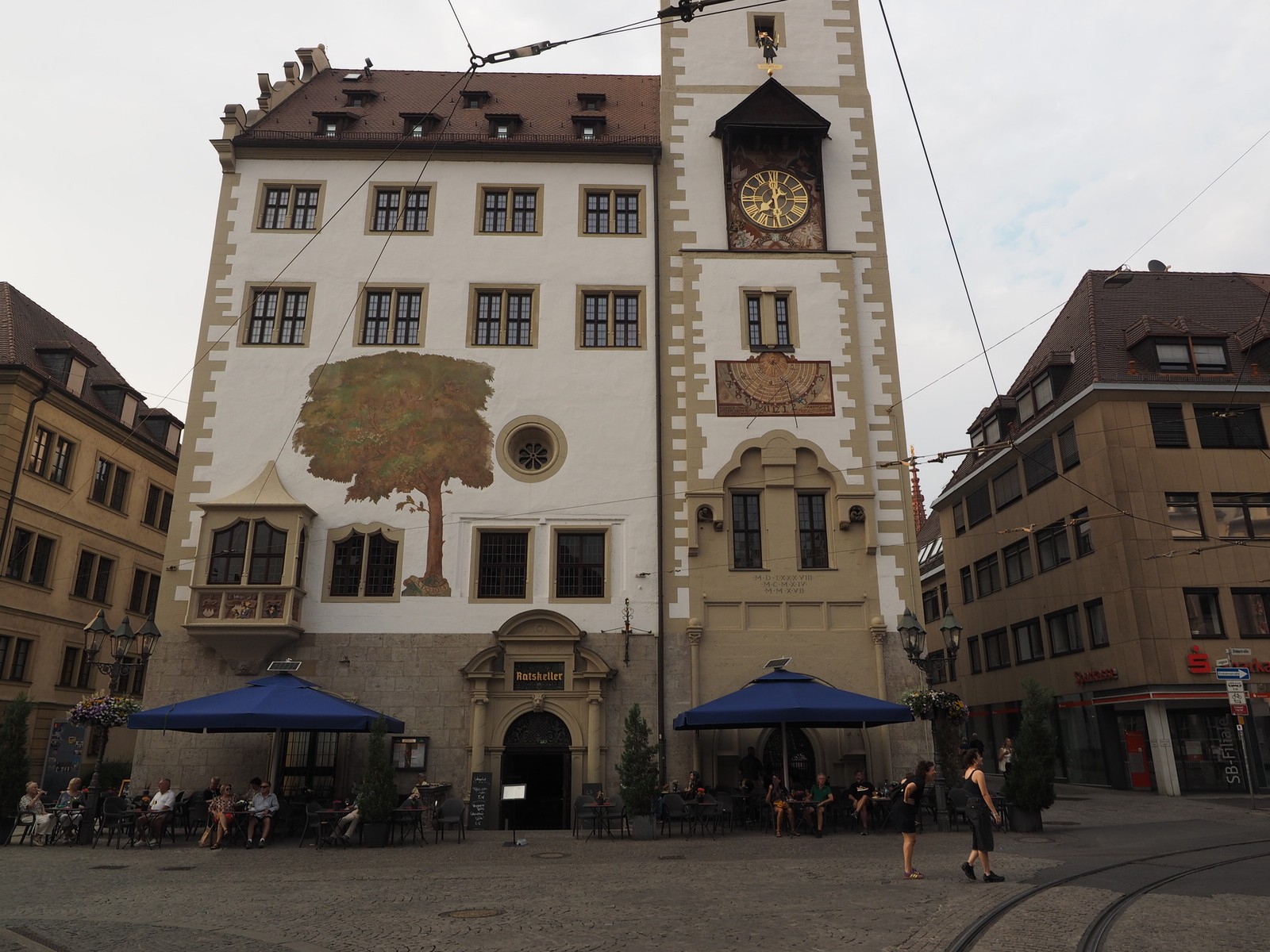
Image: wikimedia 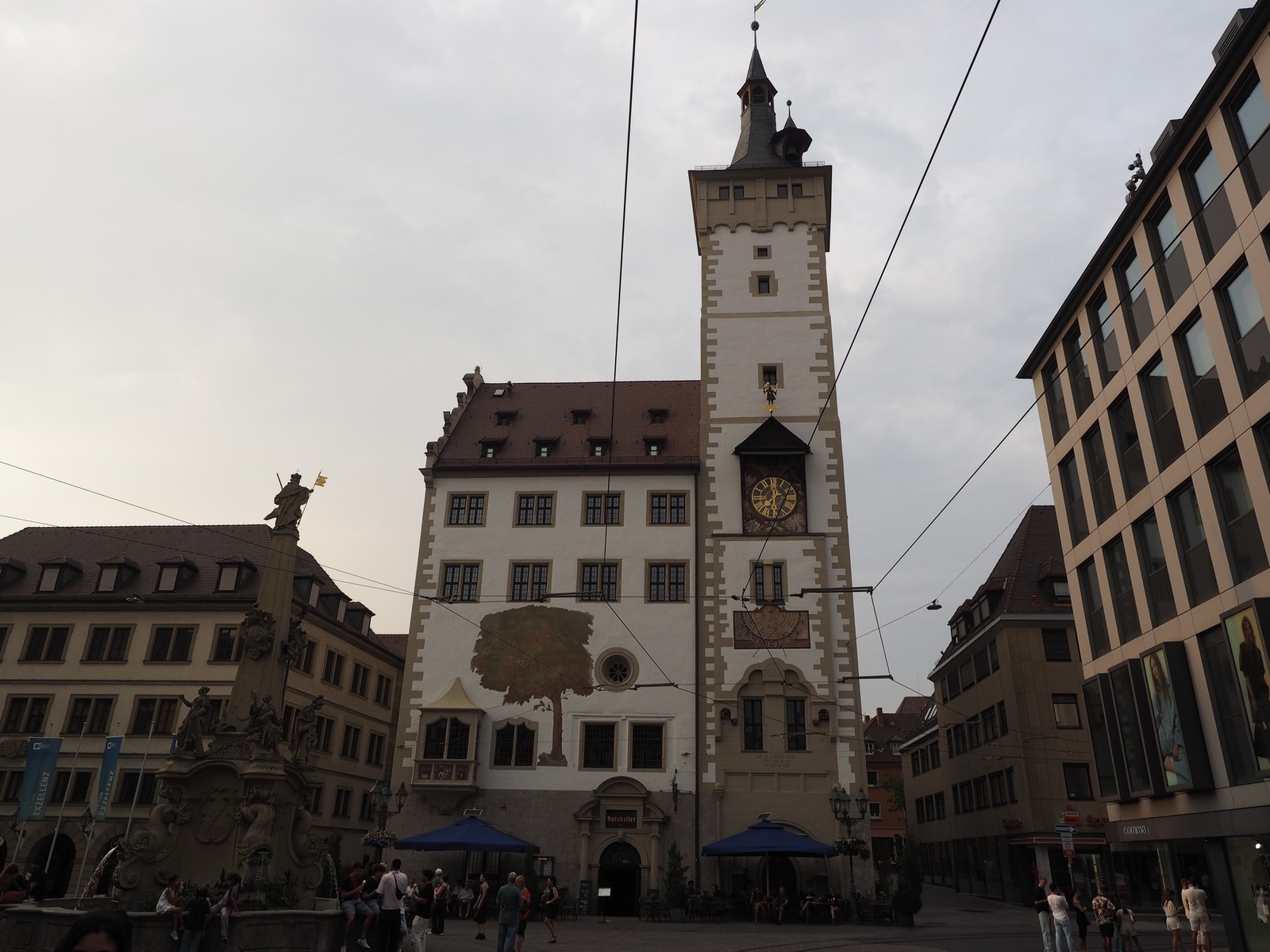
Image: wikimedia 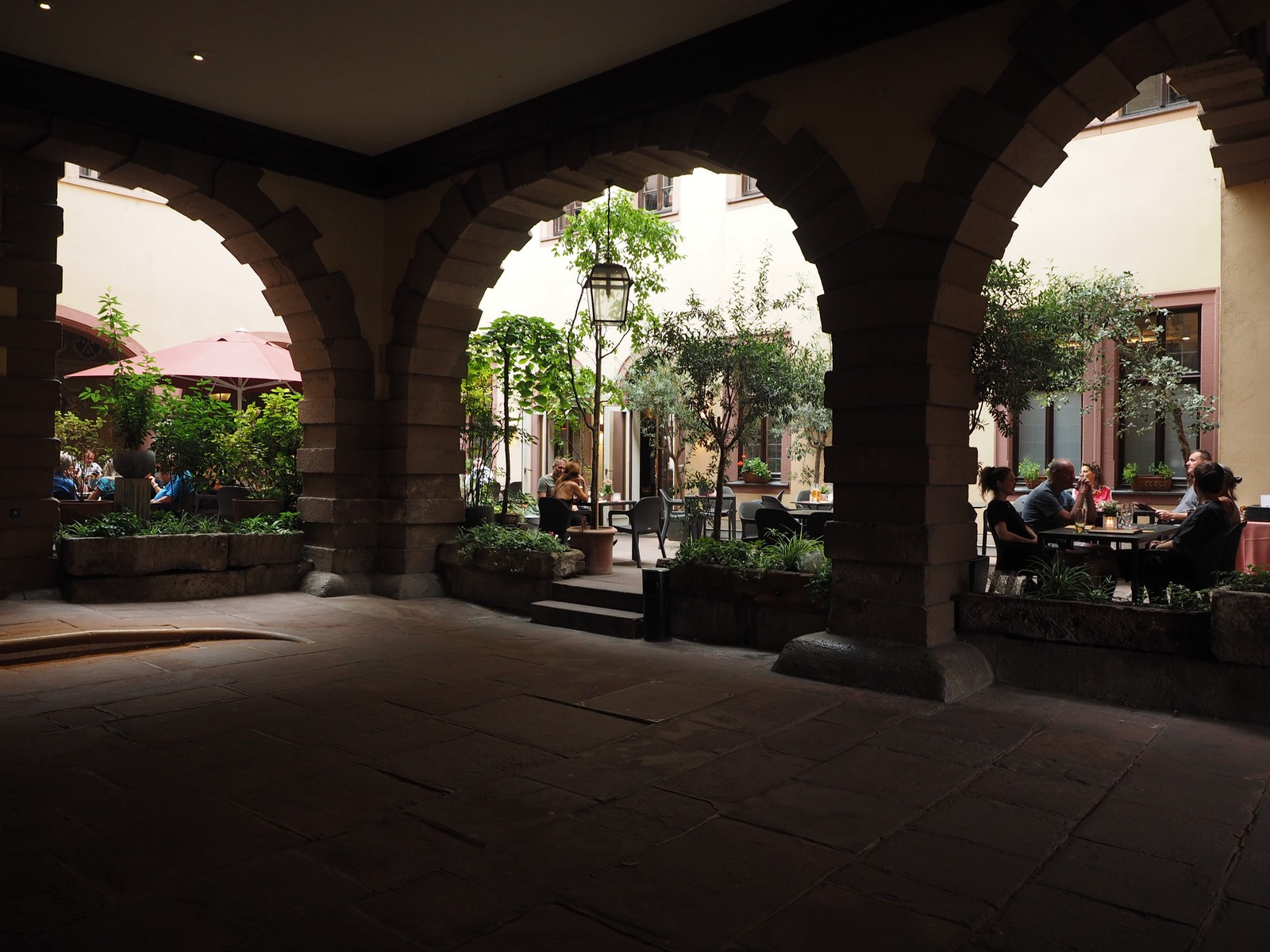
Image: wikimedia 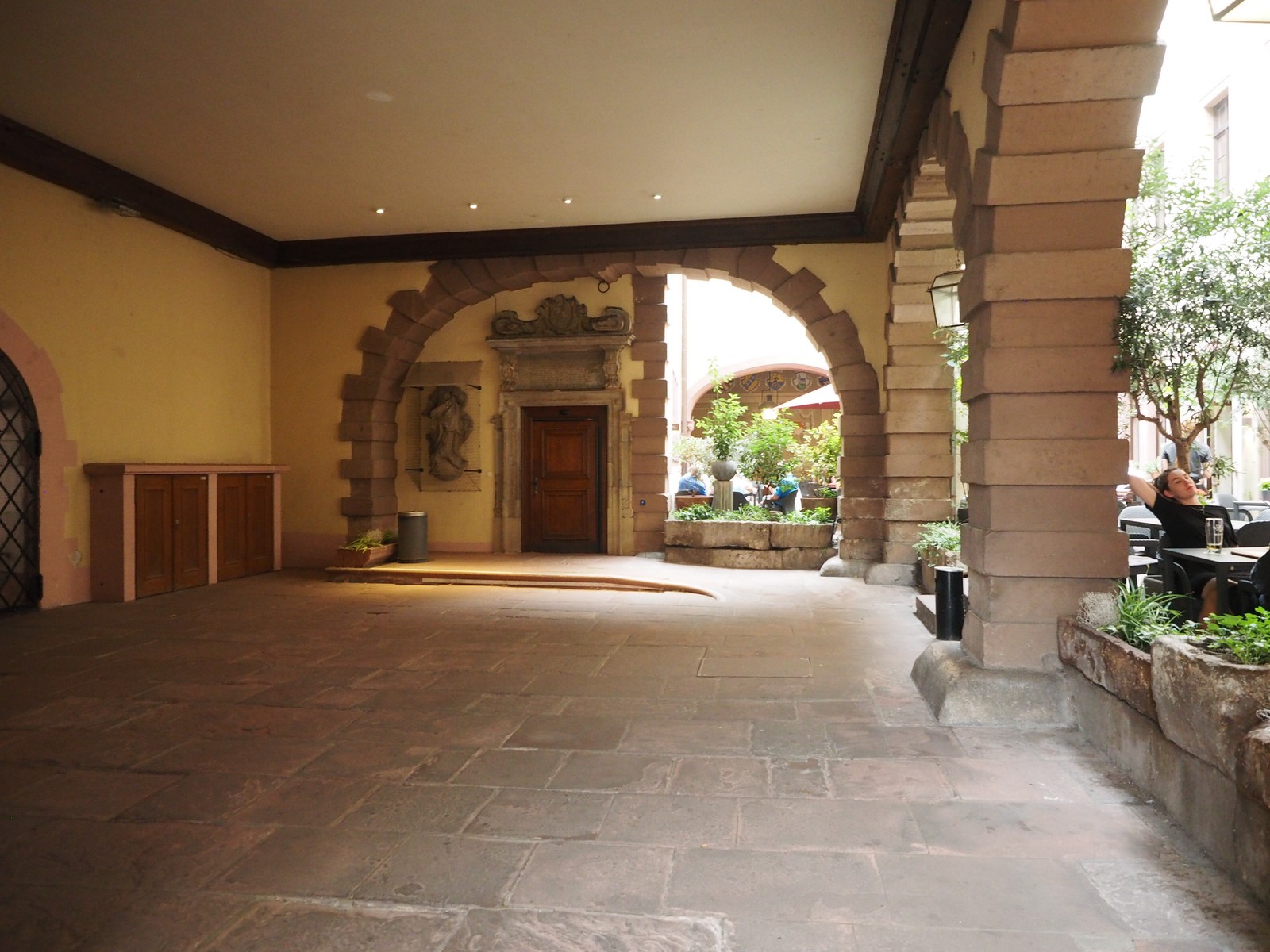
Image: wikimedia 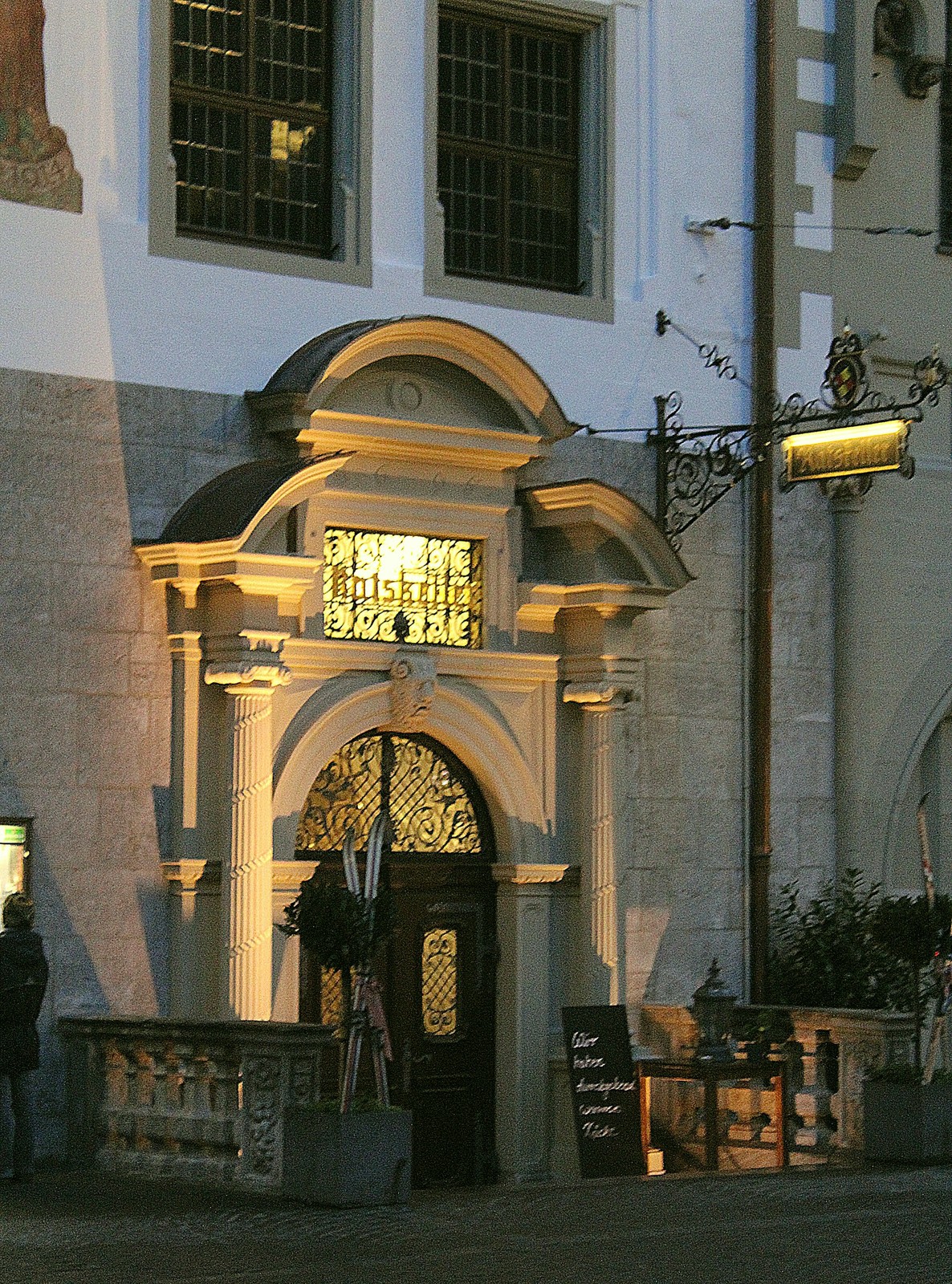
Image: DguendelCC BY 4.0 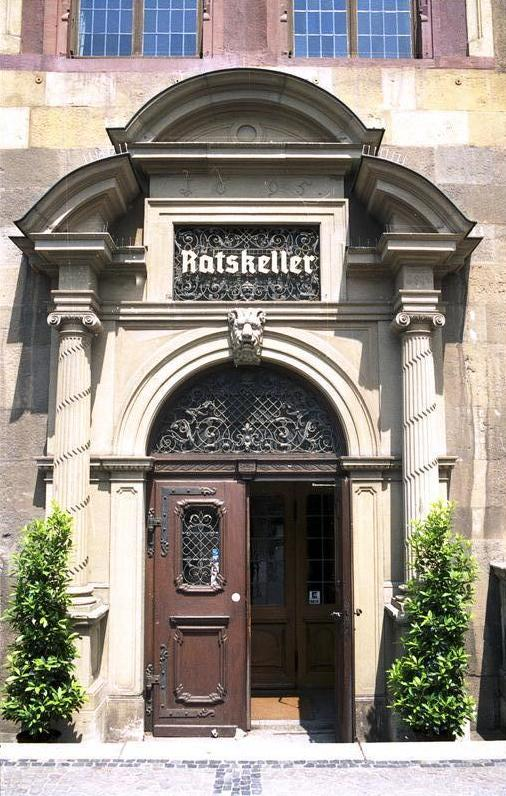
Image: Unknown authorUnknown authorCC BY-SA 3.0 de
Take this page with you
The myTuur app is free, and once you are standing at a spot its story starts by itself.


Spots like this one are the stops myTuur strings into tours through Würzburg. In the app, each story begins where you stand: walk up to a spot and it starts, read it on screen or listen as you go, then follow the route to the next one.
What is myTuur?
myTuur is a free city-guide app. Its tours are built from spots, and each spot carries a story that starts when you get there, to read or to listen to as you like.