Michelson-Interferometer
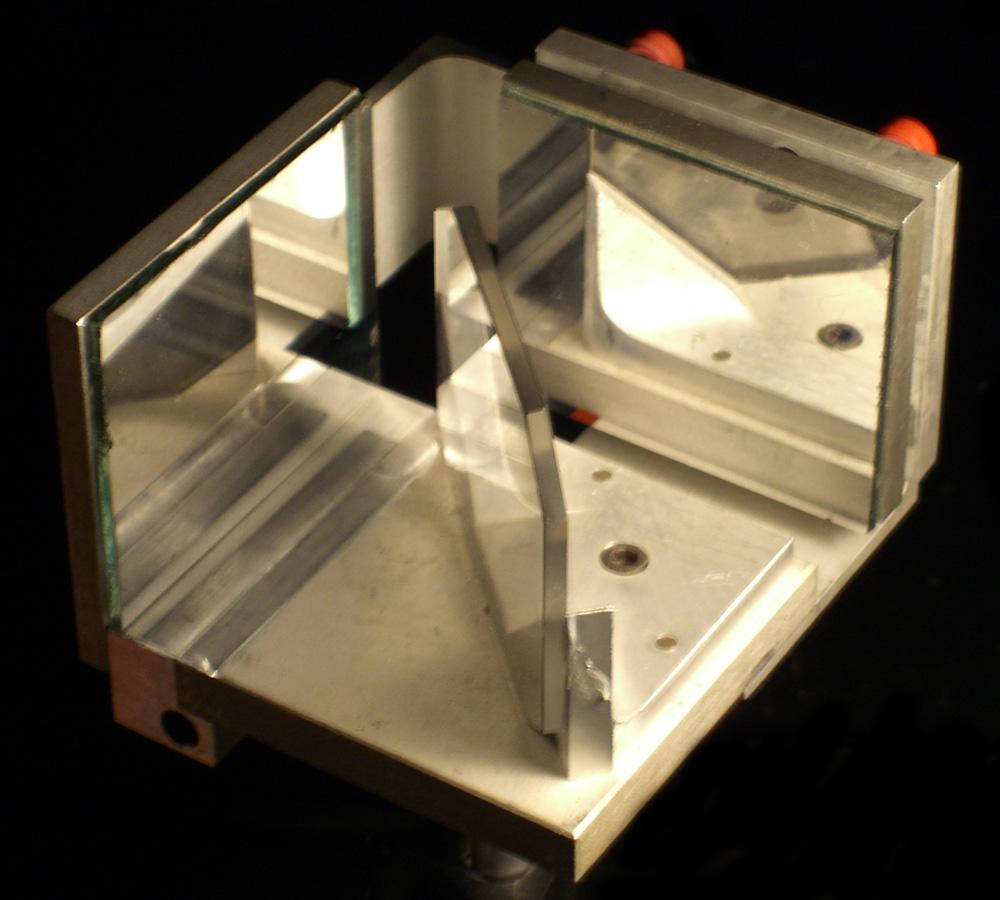
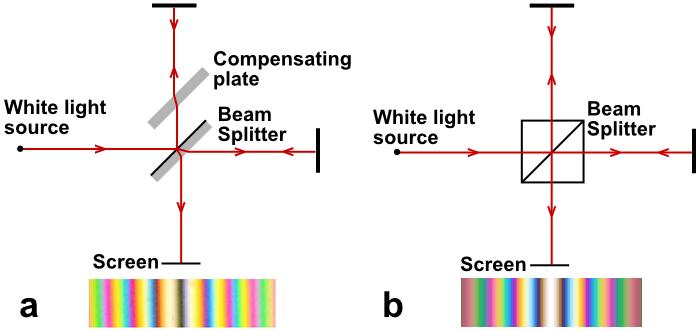
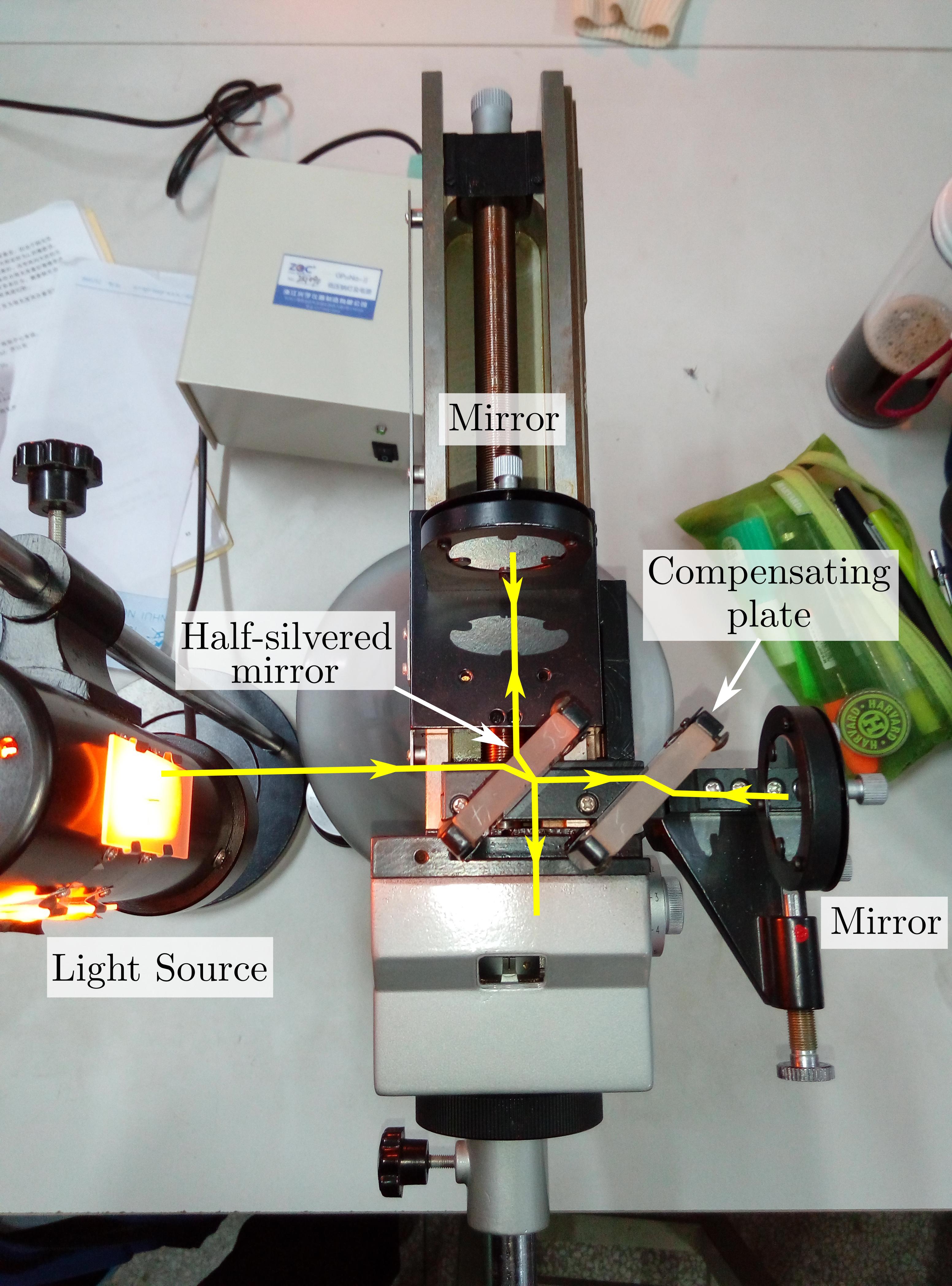
In Potsdam, a city rich in scientific history, your tour begins at the Michelson interferometer. Albert Abraham Michelson devised the instrument in 1887, and it remains a fundamental tool of optical interferometry. Picture the setup: mirrors and a beam splitter, arranged so a single beam of light travels two separate paths.
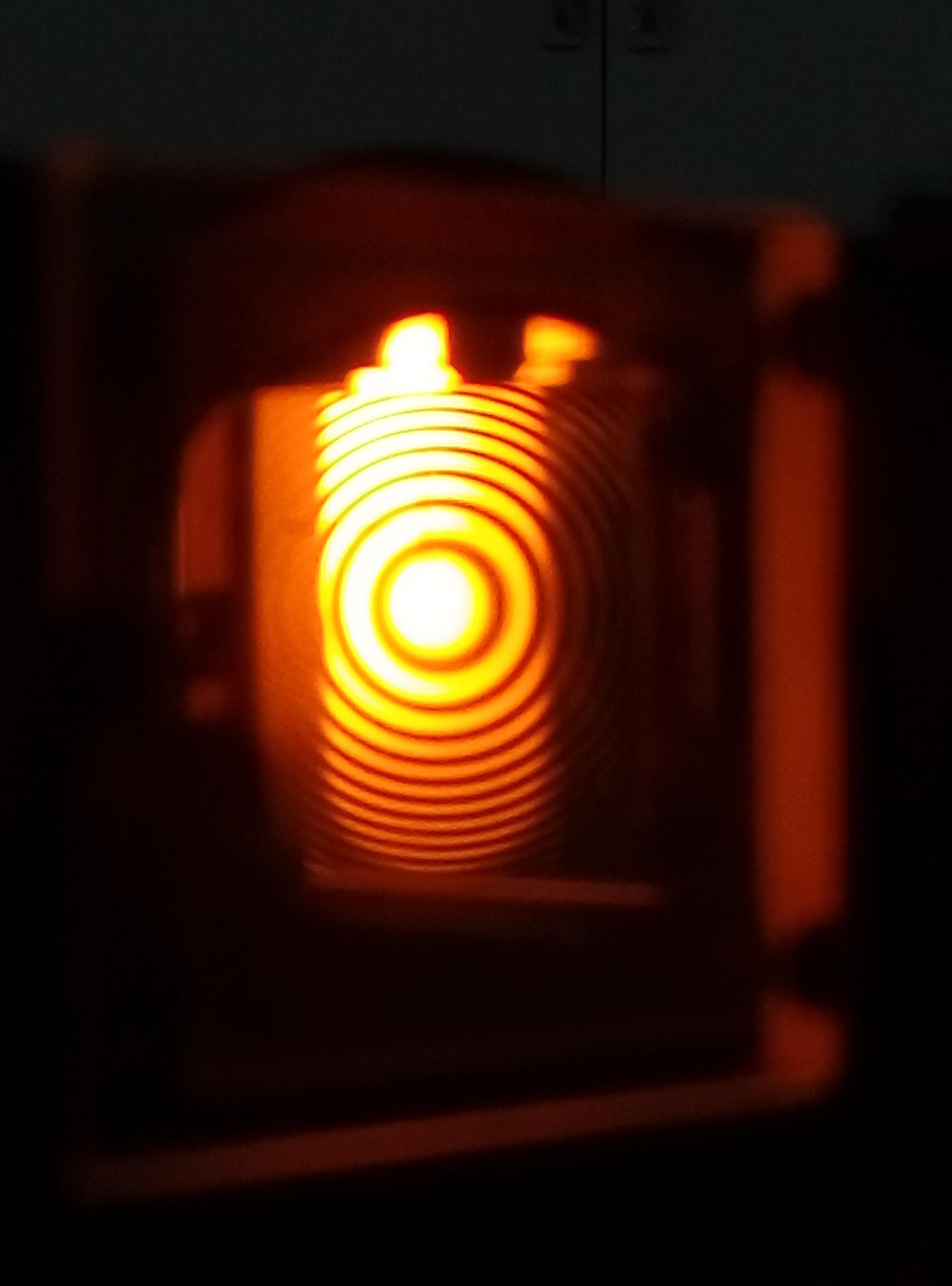
The splitter divides the light, mirrors send both beams back, and their recombination produces an interference pattern for a detector or camera. Because it registers minute differences between the paths, the pattern reports on the light itself and on any material in its way. Lasers and white light both work as sources. One of the instrument's most famous applications, the Michelson-Morley experiment, looked for the Earth's motion through the luminiferous aether. The search found nothing, and that null result helped discredit the aether and open the road to Einstein's theory of relativity.
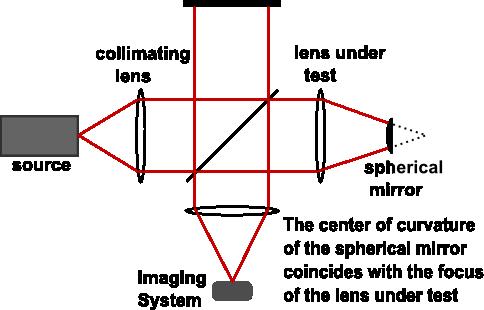
The design lives on in Fourier transform spectrometry, which reads light spectra, and in the Twyman-Green interferometer, which tests optical components. In 2015 the Laser Interferometer Gravitational-Wave Observatory used it to make the first direct observation of gravitational waves. The observation confirmed a major prediction of general relativity, a landmark for a design more than a century old. Your first taste of the city's science is a beam of light split in two and brought back together.
- City
- Potsdam
- Content updated
Take this page with you
The myTuur app is free, and once you are standing at a spot its story starts by itself.


Spots like this one are the stops myTuur strings into tours through Potsdam. In the app, each story begins where you stand: walk up to a spot and it starts, read it on screen or listen as you go, then follow the route to the next one.
What is myTuur?
myTuur is a free city-guide app. Its tours are built from spots, and each spot carries a story that starts when you get there, to read or to listen to as you like.