Gertrud Fuld
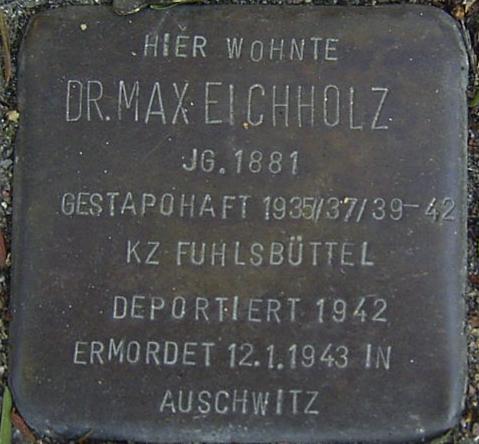
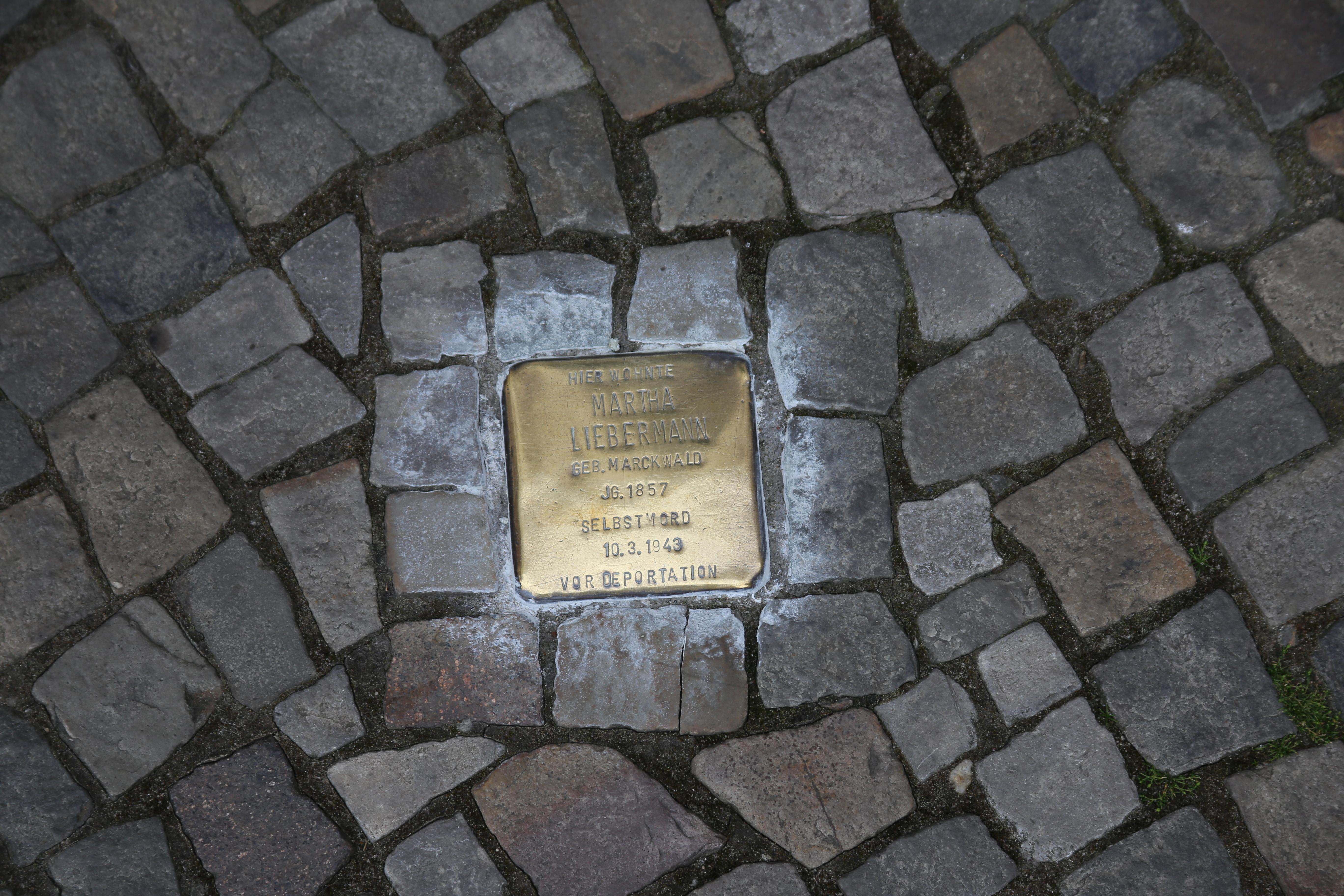
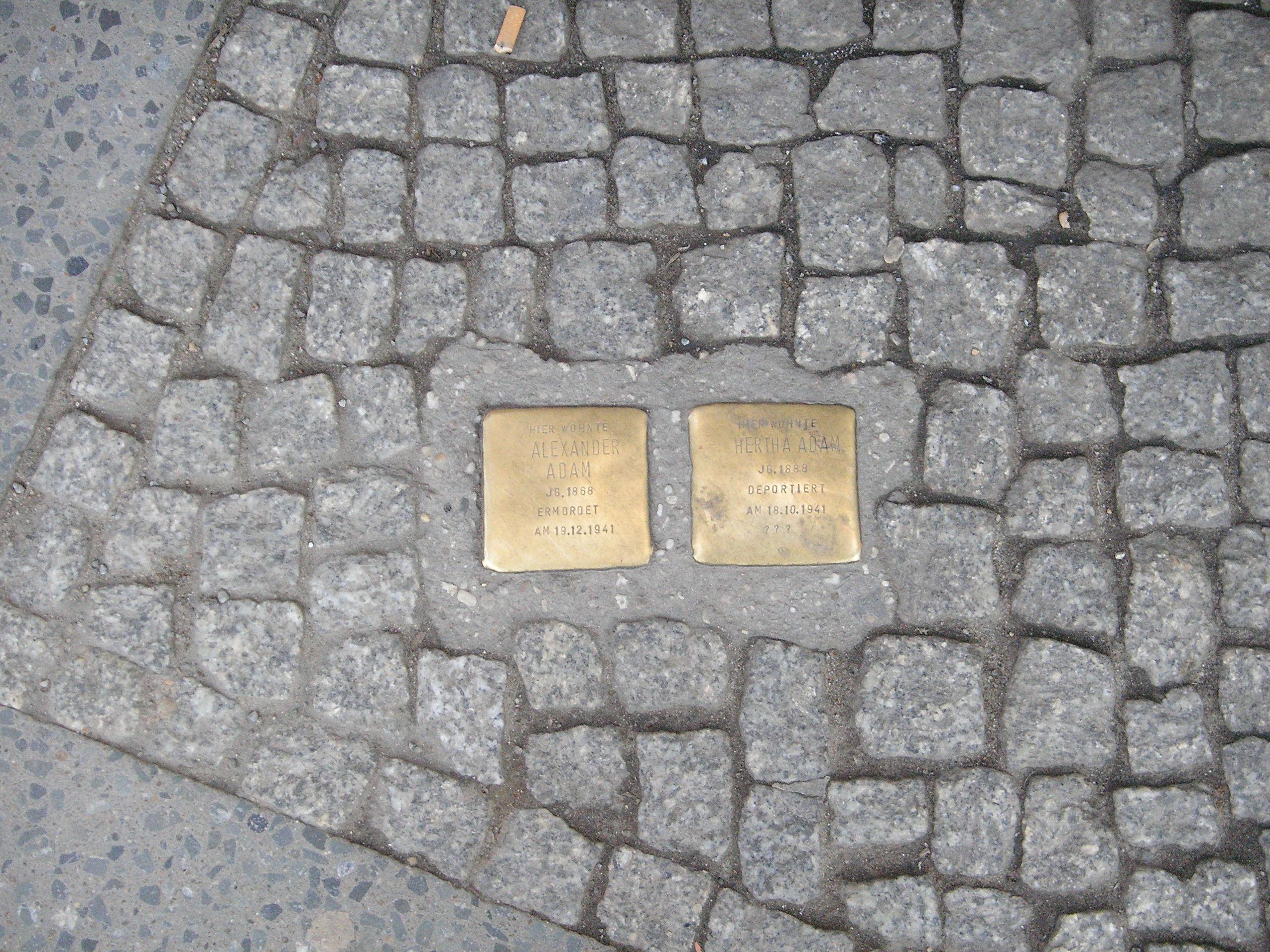
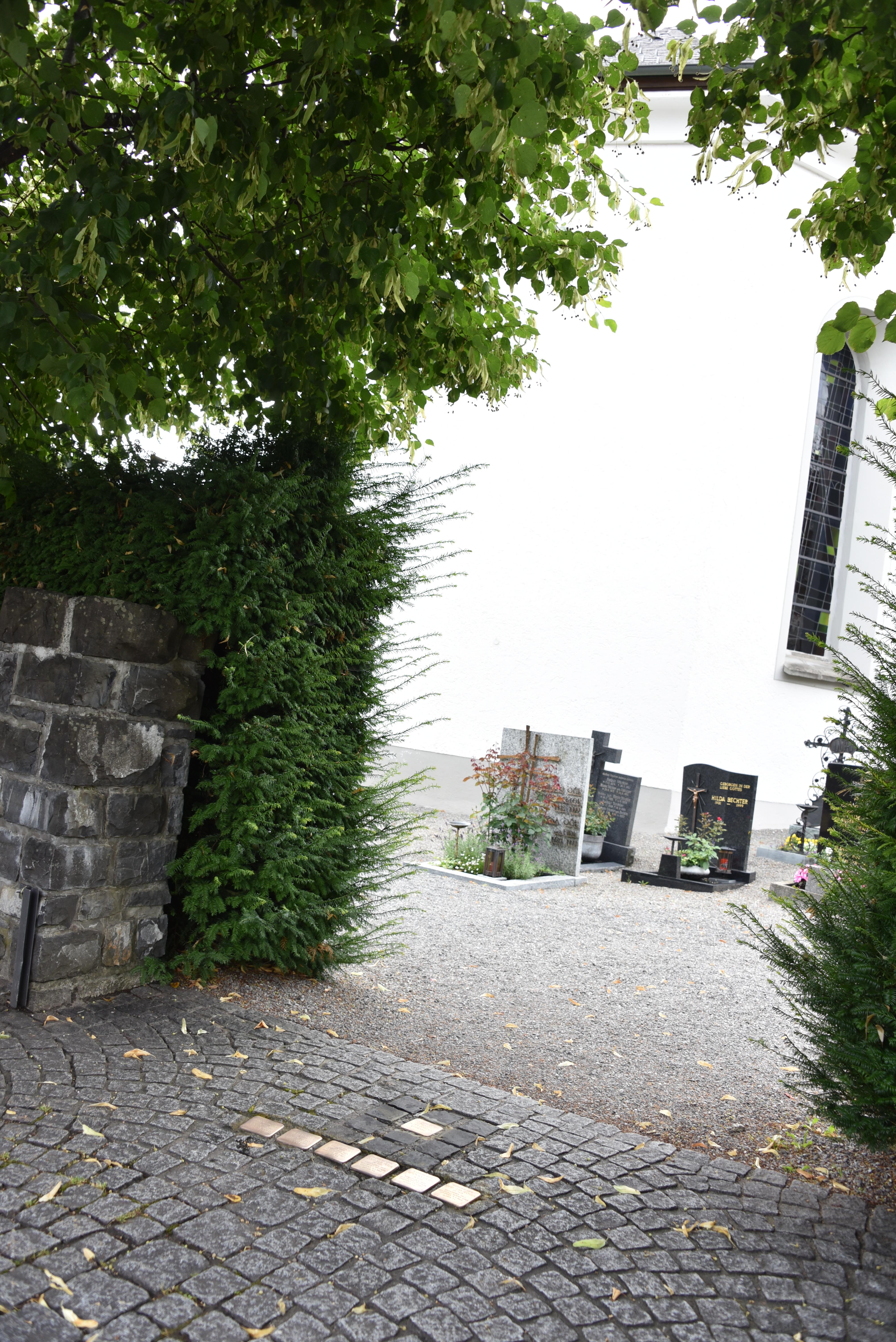
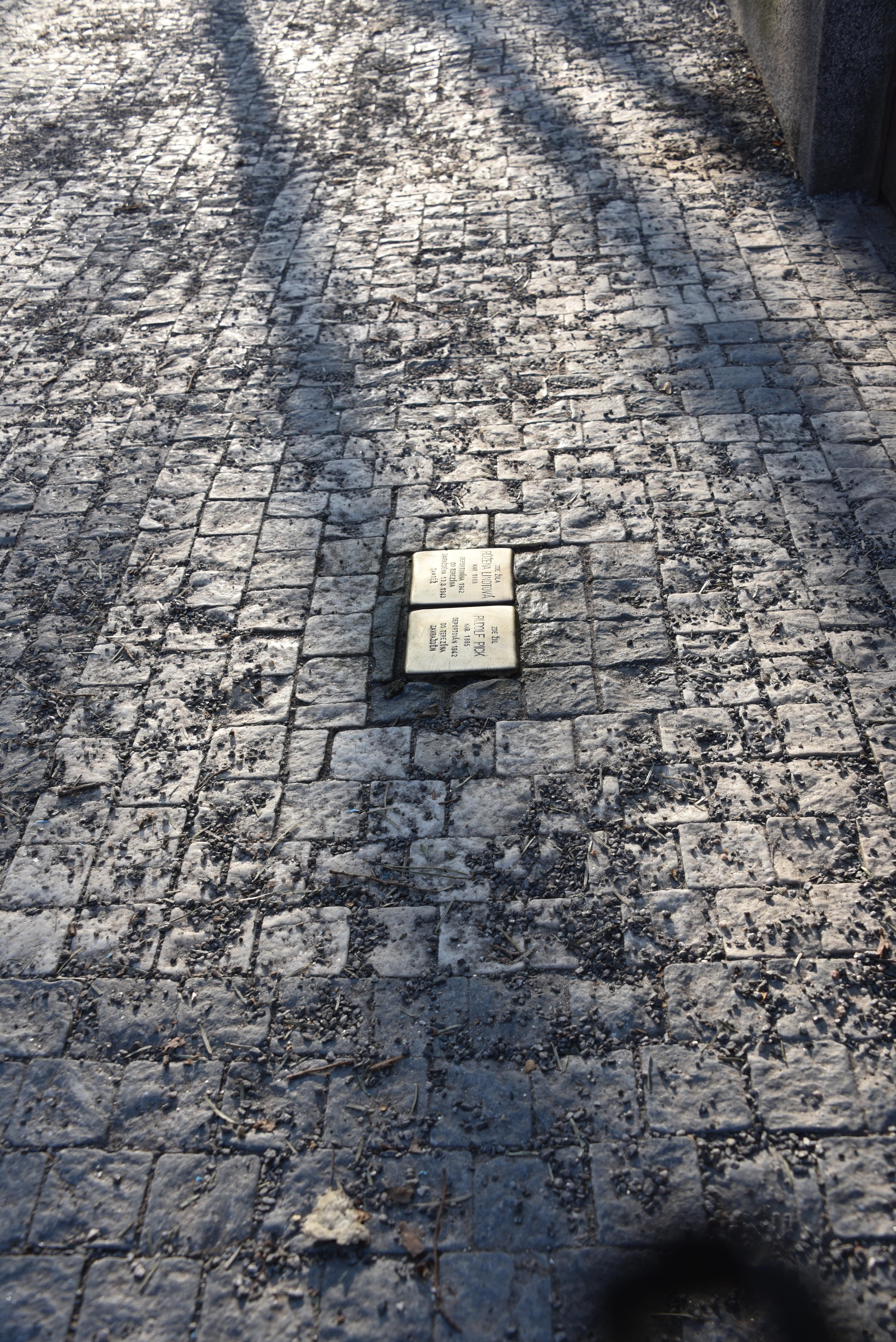
Set flush into a pavement in Stuttgart, a ten-centimetre concrete cube carries a brass plate with the name Gertrud Fuld. It is one of the Stolpersteine, the stones that mark where people last lived in freedom before the Nazi terror took them. From a few steps away it is easy to miss, which is how the stones are meant to work.
The German artist Gunter Demnig laid the first of these stones in 1992, and each one is handcrafted. Private donations and local fundraising pay for every stone. Most plaques begin with the words 'Here lived', followed by a name and life dates. Begun for Jewish victims, the project has widened to include Sinti and Roma, Poles, gay people, the disabled and Jehovah's Witnesses. Stones lie in Germany, Austria, the Netherlands, Italy and beyond, which makes the network the world's largest decentralized memorial.
The name plays on an antisemitic saying from Nazi Germany: a Jew, it claimed, lay buried under any stone someone stumbled over. These stones take the other sense, the chance discovery, and build memory into an ordinary walk. Bend down at Gertrud Fuld's stone: the brass gives a name and dates, fixed to the place where that life was lived.
- City
- Stuttgart
- Content updated
Take this page with you
The myTuur app is free, and once you are standing at a spot its story starts by itself.


Spots like this one are the stops myTuur strings into tours through Stuttgart. In the app, each story begins where you stand: walk up to a spot and it starts, read it on screen or listen as you go, then follow the route to the next one.
What is myTuur?
myTuur is a free city-guide app. Its tours are built from spots, and each spot carries a story that starts when you get there, to read or to listen to as you like.