Újpesti lóvasút végállomás
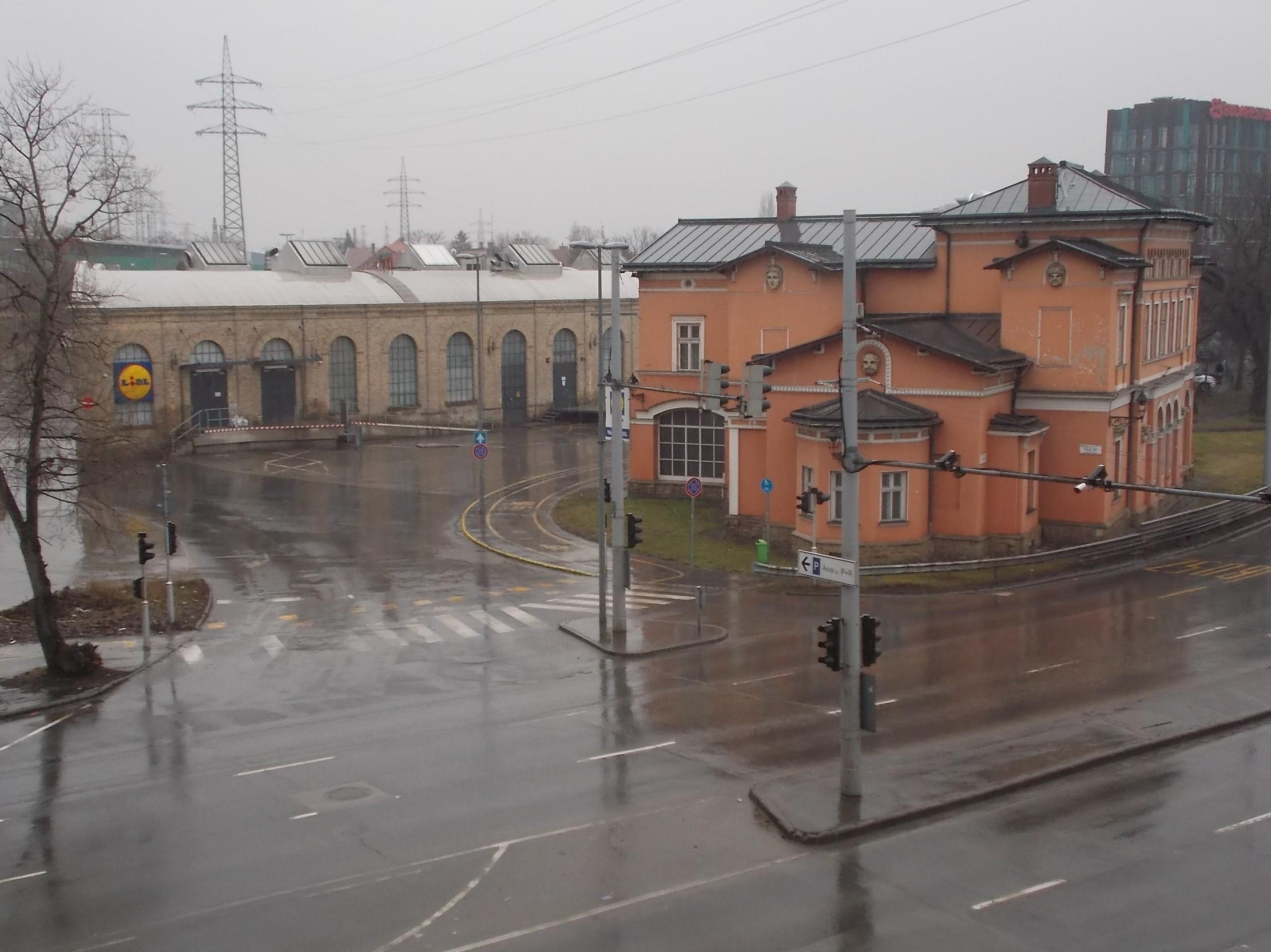
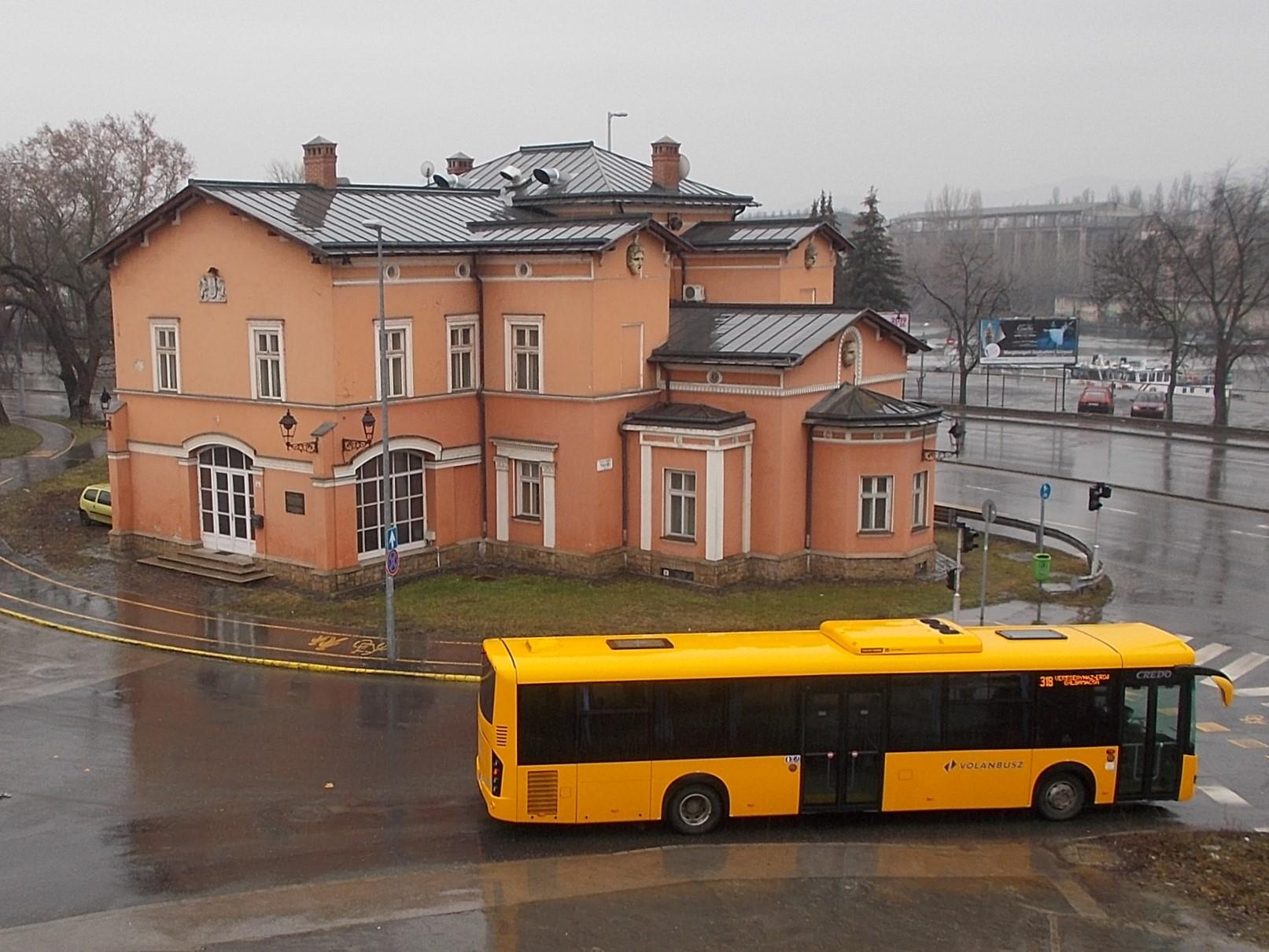
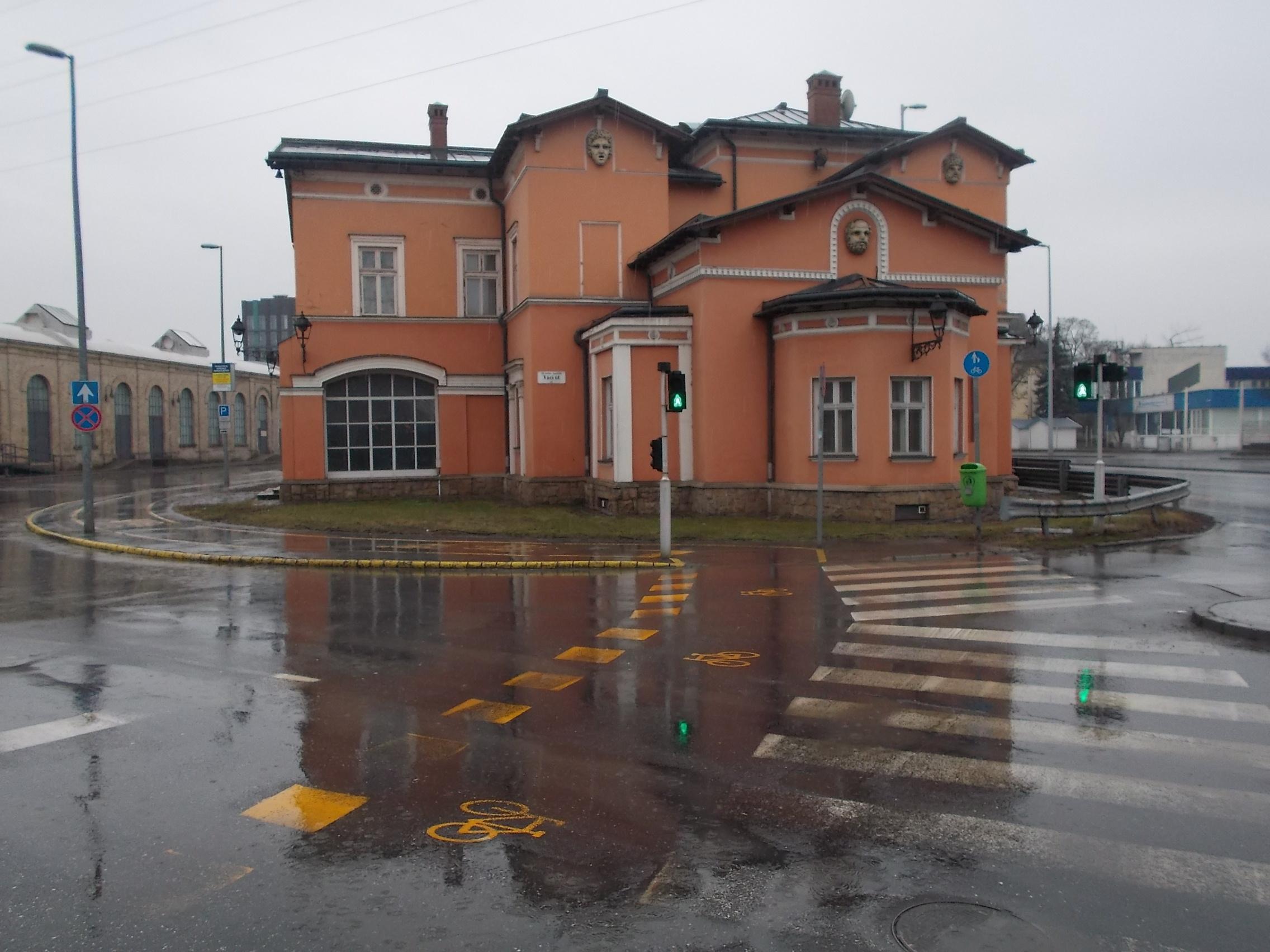
The Újpesti lóvasút végállomás stands in Hungary, the last stop of a horse-drawn tramway on the old edge of town. The building went up in the 1860s, just as city and suburb were growing into one another. The west facade carries the ornament: archways, columns, relief rosettes and masks carved with the faces of women and fauns. The style leans romantic, closer to a castle than to a station.
Before the rails arrived, a roadside tavern stood here, the Hutter inn, marked on maps from the 1770s. The Károlyi family later kept it as a hunting lodge through years of boundary disputes. Growth through the 1860s made a public transport link between centre and suburb urgent. Count Sándor Károlyi had imagined the horse tramway in the mid-nineteenth century. Builder János Wagner drew up the final plans and saw the work through. In August 1866 the first carriages rolled to a halt here, met by colourful banners, music and celebrating crowds. Excitement ran from the city centre all the way out to this border outpost.
Picture an arrival here: carriages in a line, horses shuffling, passengers stepping into bright halls and out onto wide terraces. The terminus later changed trades and served diners as a restaurant. Look closely at the masks and ask which stories they would whisper about the journeys that began or ended at its doors.
- City
- Budapest
- Content updated
Take this page with you
The myTuur app is free, and once you are standing at a spot its story starts by itself.


Spots like this one are the stops myTuur strings into tours through Budapest. In the app, each story begins where you stand: walk up to a spot and it starts, read it on screen or listen as you go, then follow the route to the next one.
What is myTuur?
myTuur is a free city-guide app. Its tours are built from spots, and each spot carries a story that starts when you get there, to read or to listen to as you like.