Irma Bensing
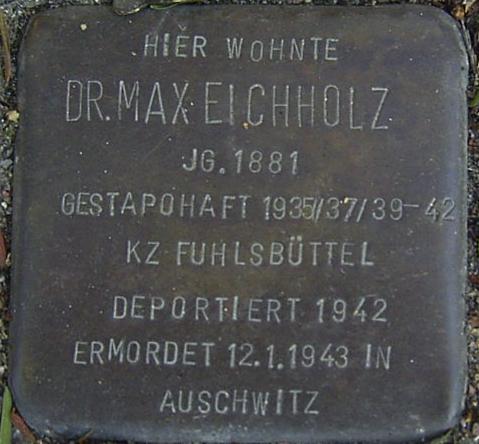
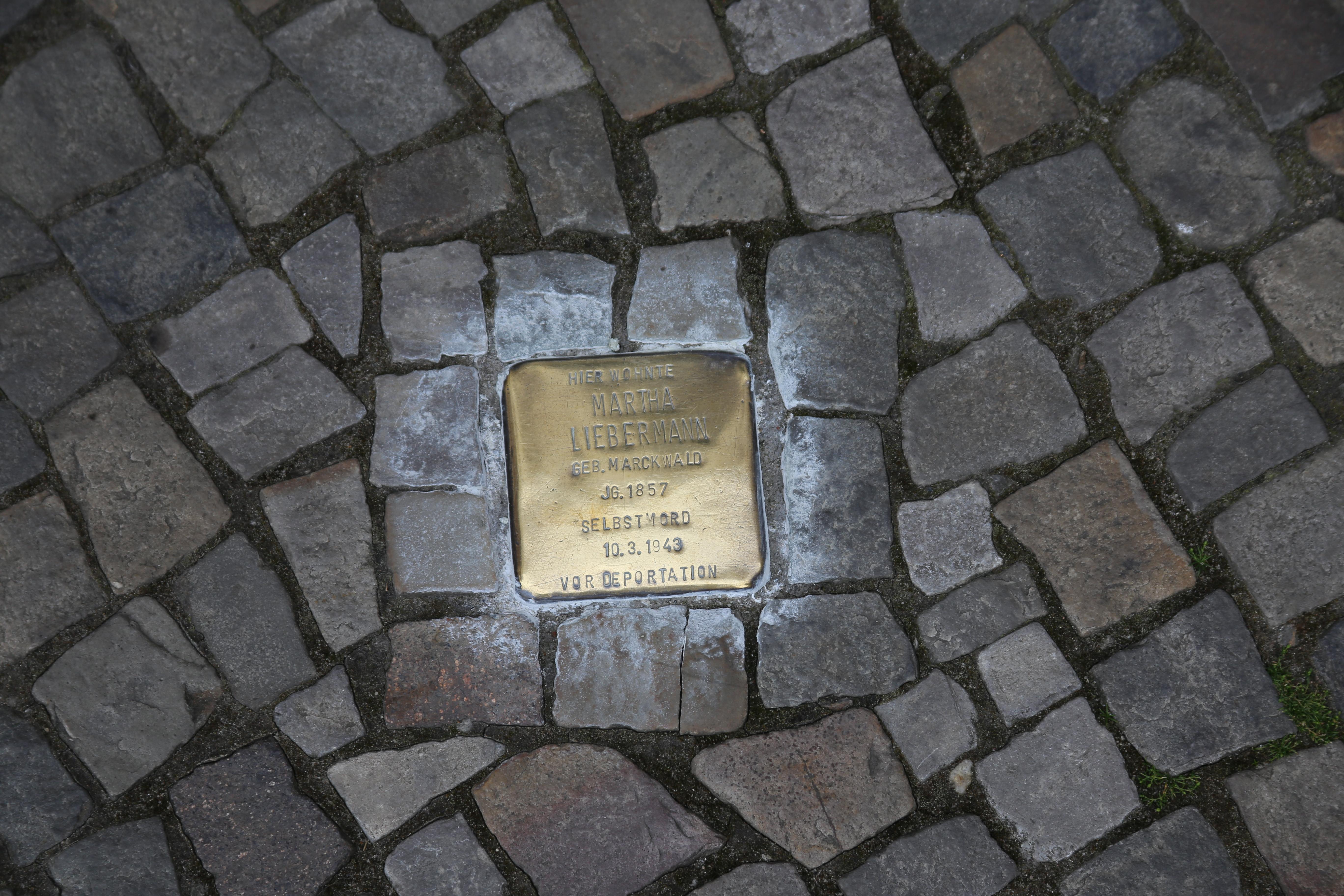
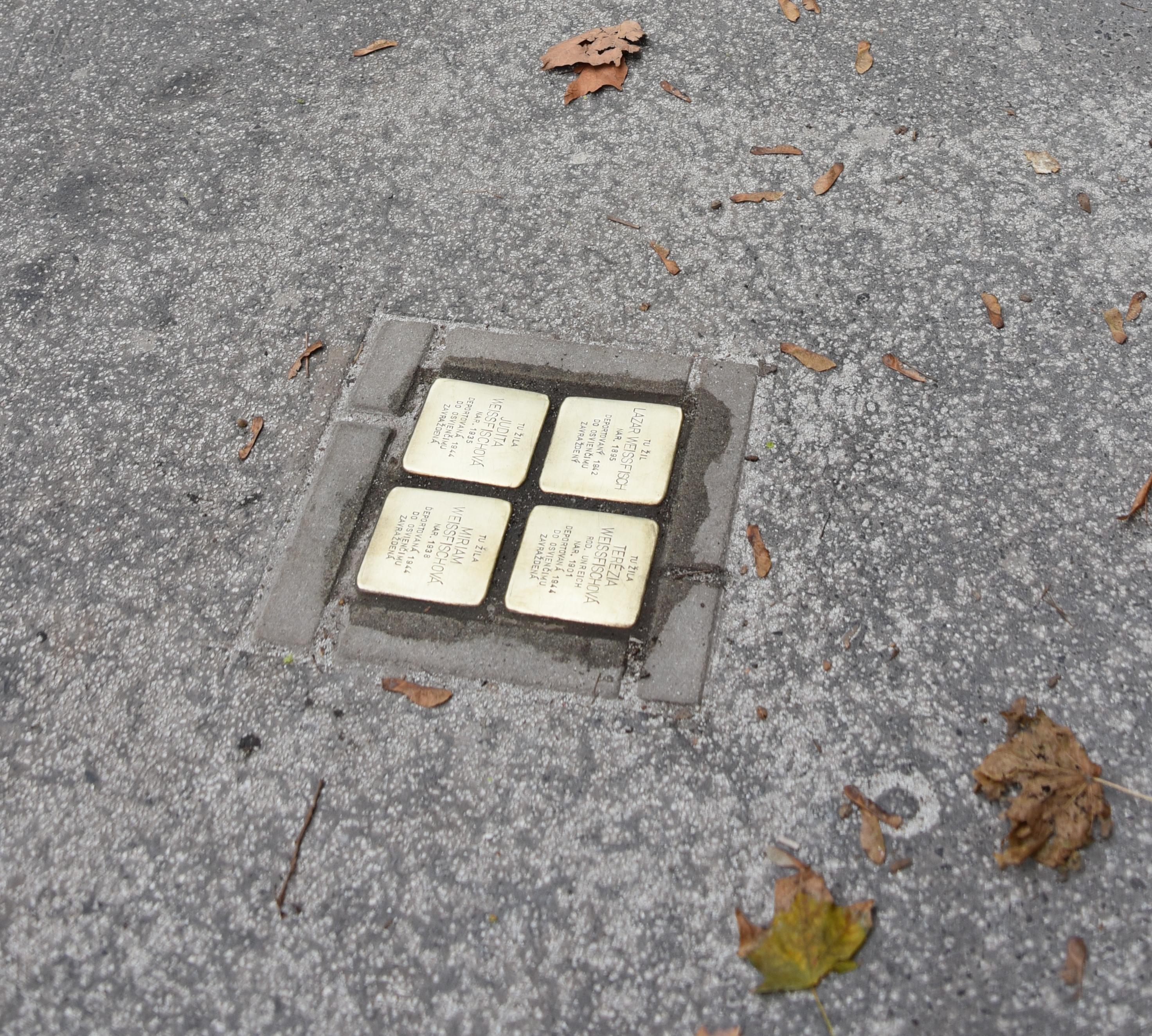
A cube of concrete ten centimetres across, capped with brass, lies flush in a Stuttgart pavement: the Stolperstein for Irma Bensing. The plate carries her name and the dates of her life. The stone marks the last known home or workplace she chose freely.
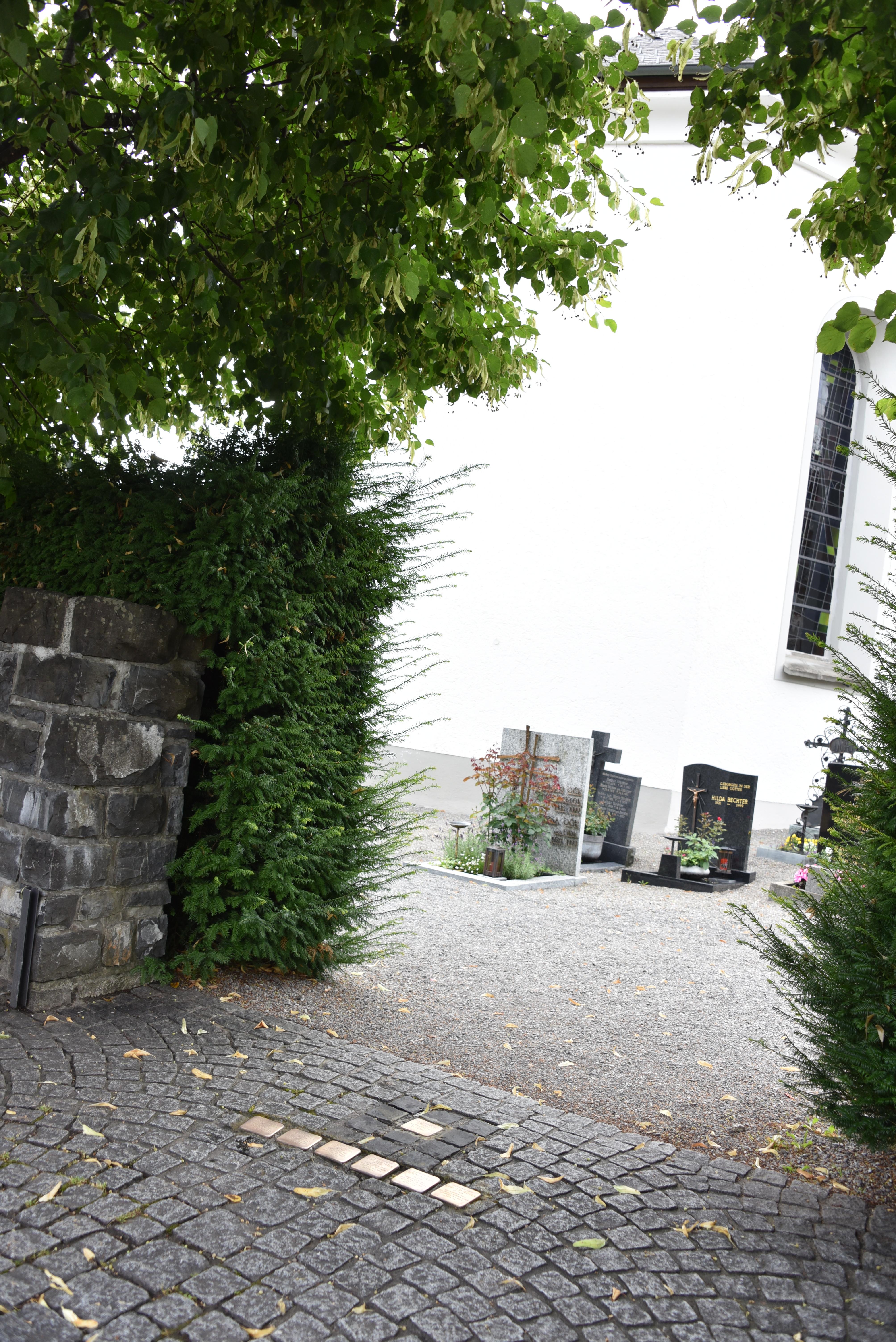
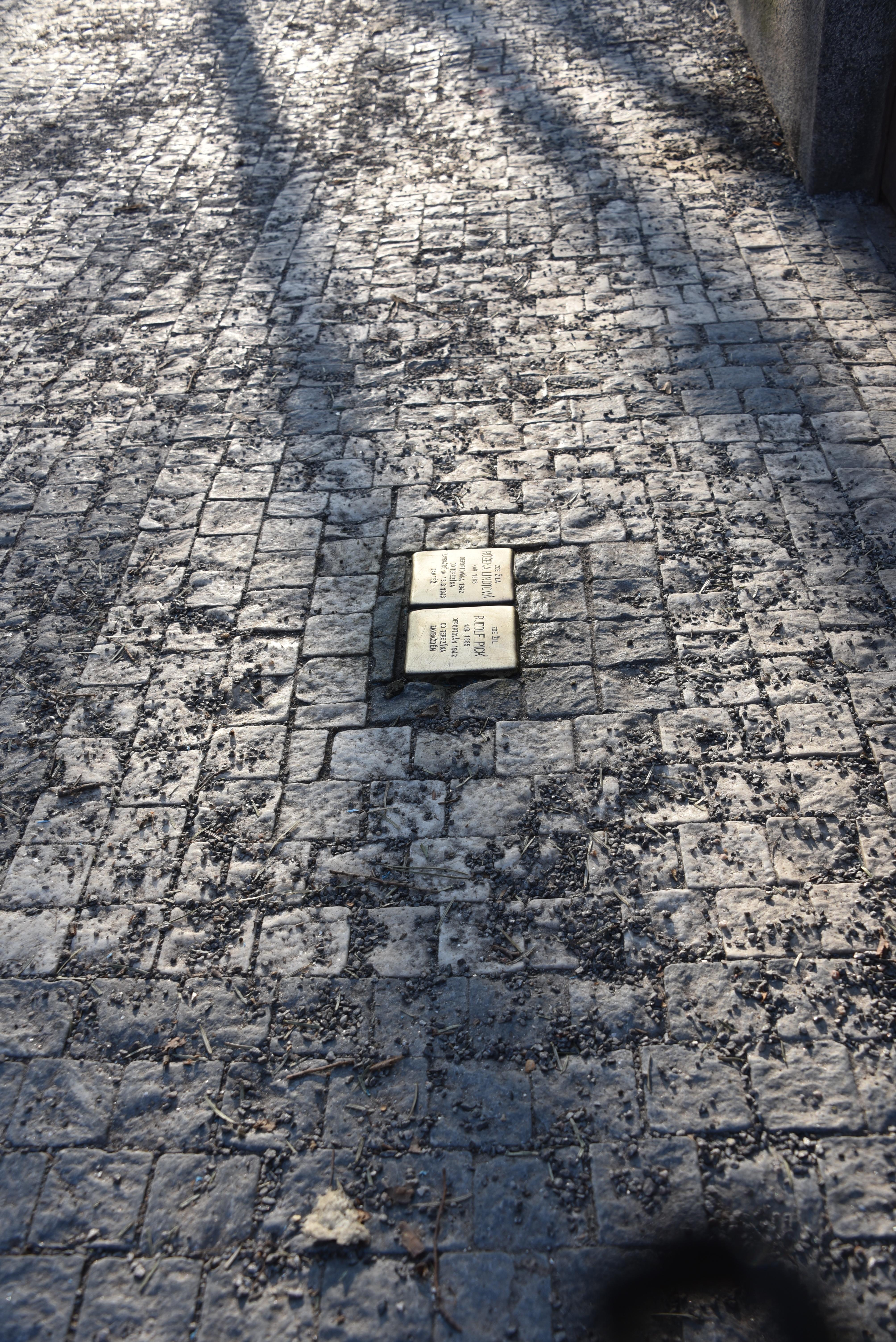
Behind the stone stands a project the German artist Gunter Demnig initiated in 1992 to commemorate the victims of Nazi persecution. It began with the Jewish victims of the Holocaust. Over time it widened to include Sinti and Roma, homosexuals and political dissidents. Stones of this kind lie in cities across much of Europe, and together they form the world's largest decentralised memorial. Each one is made by hand, keeping the work personal and meaningful.
Because they sit where people walk every day, you meet these stones in the middle of ordinary life. You stumble upon one as you pass, and that small interruption is exactly what the design intends. A glance down, and Irma Bensing's name takes its place in the daily life of the street.
- City
- Stuttgart
- Content updated
Take this page with you
The myTuur app is free, and once you are standing at a spot its story starts by itself.


Spots like this one are the stops myTuur strings into tours through Stuttgart. In the app, each story begins where you stand: walk up to a spot and it starts, read it on screen or listen as you go, then follow the route to the next one.
What is myTuur?
myTuur is a free city-guide app. Its tours are built from spots, and each spot carries a story that starts when you get there, to read or to listen to as you like.