Schienenstück der Pferdeeisenbahn
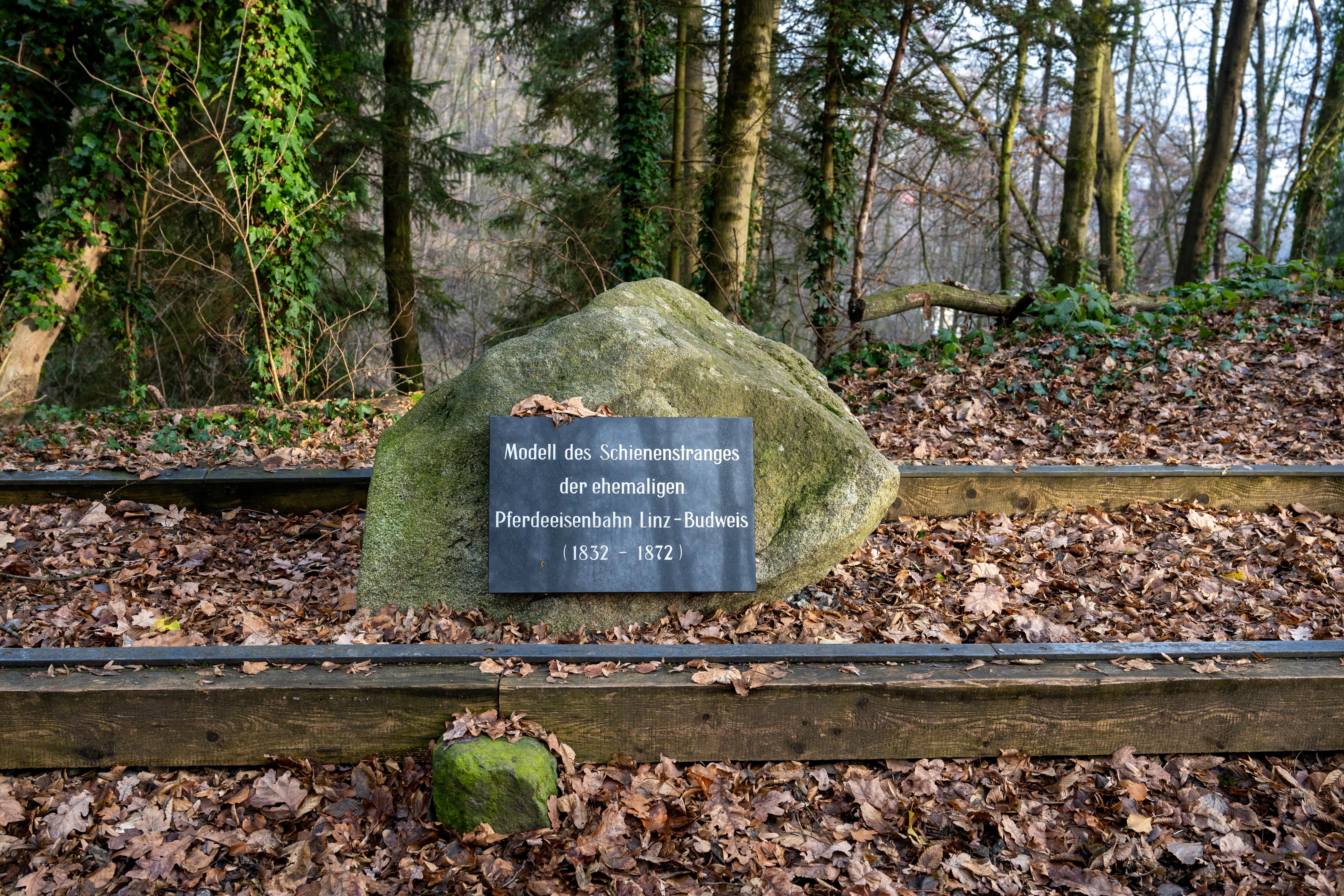
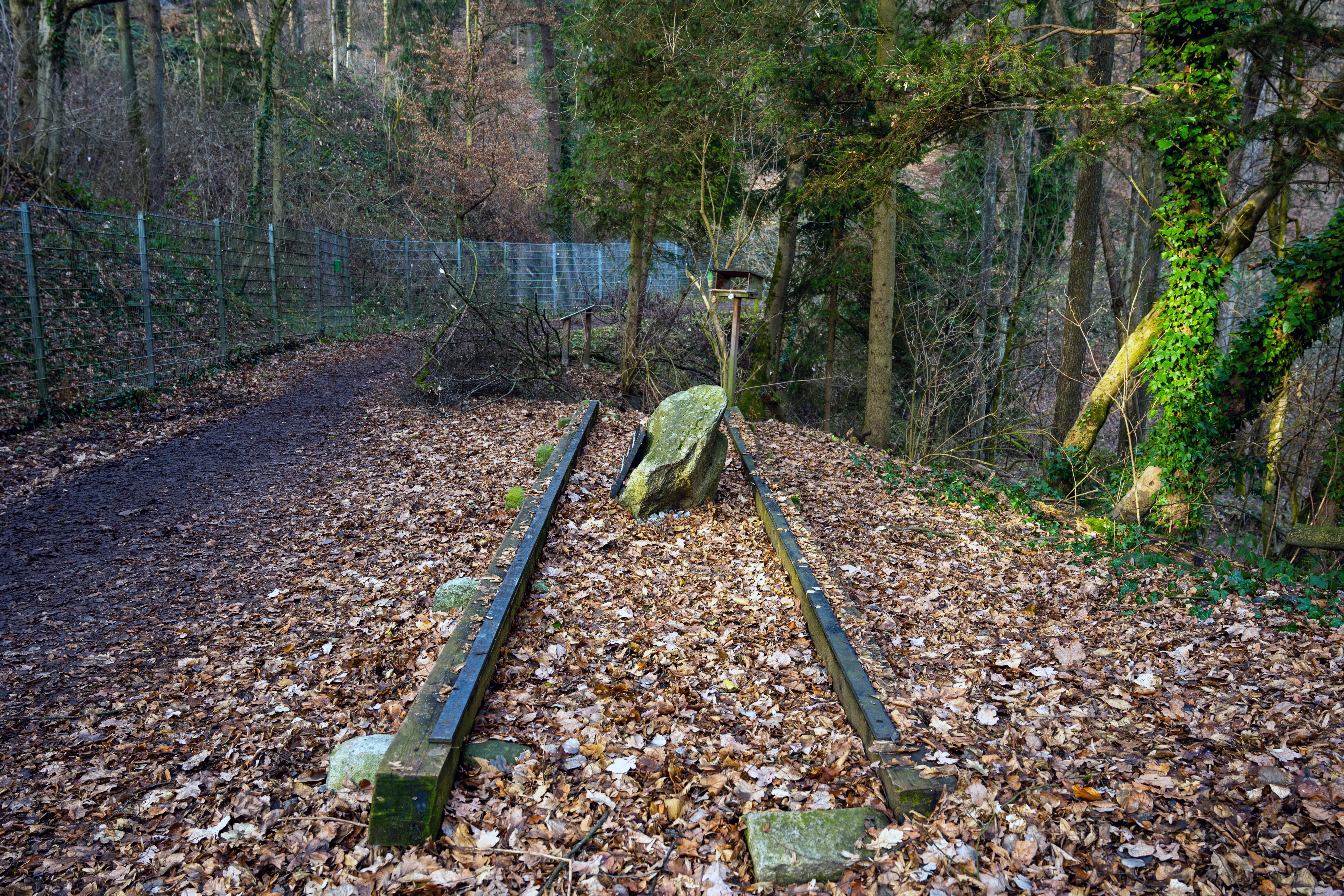
Schienenstück der Pferdeeisenbahn is a surviving rail section in Linz, Austria. The iron track belonged to the horse-drawn railway linking Budweis, Linz and Gmunden. You can picture horses pulling goods and passengers along a route through the nineteenth-century landscape. The railway connected the Danube with the Vltava. Its main purpose was moving salt from the Salzkammergut to Bohemia, where local supplies were scarce.
Franz Josef von Gerstner proposed a wood-and-iron railway in 1805, inspired by English examples. His son Franz Anton began construction after the Napoleonic Wars. Engineer Matthias von Schönerer later altered the design, using tighter curves to reduce costs. The line opened in 1832 and reached Gmunden by 1834. For more than forty years, it carried salt, other goods and passengers before steam railways made it obsolete. The surviving rail preserves a tangible piece of Austria’s early railway and technology history. Reconstructed sections and museums in Rainbach and Kerschbaum show how horse-drawn travel once worked.
- City
- Linz
- Content updated
Take this page with you
The myTuur app is free, and once you are standing at a spot its story starts by itself.


Spots like this one are the stops myTuur strings into tours through Linz. In the app, each story begins where you stand: walk up to a spot and it starts, read it on screen or listen as you go, then follow the route to the next one.
What is myTuur?
myTuur is a free city-guide app. Its tours are built from spots, and each spot carries a story that starts when you get there, to read or to listen to as you like.