Hirschauer Berg
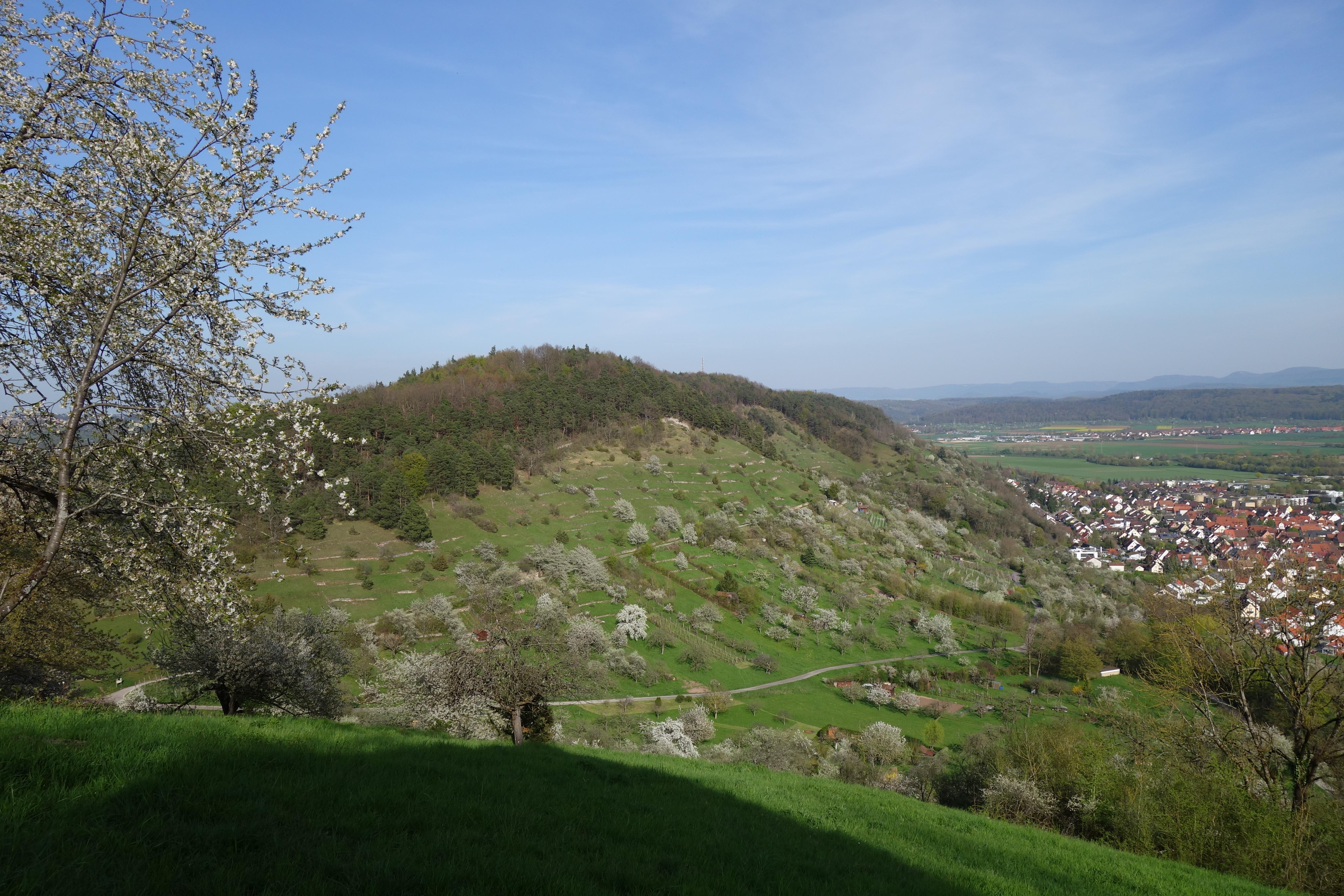
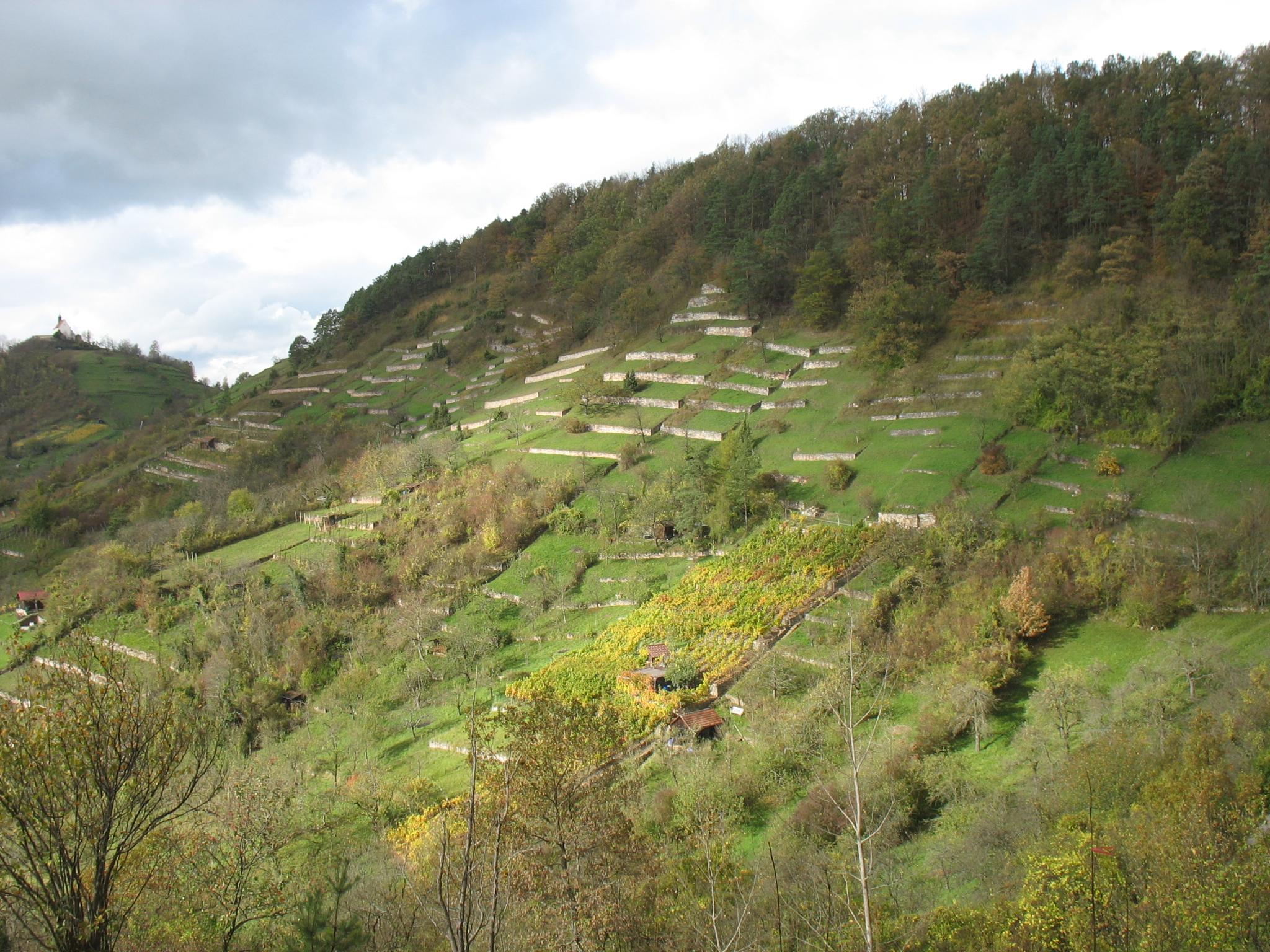
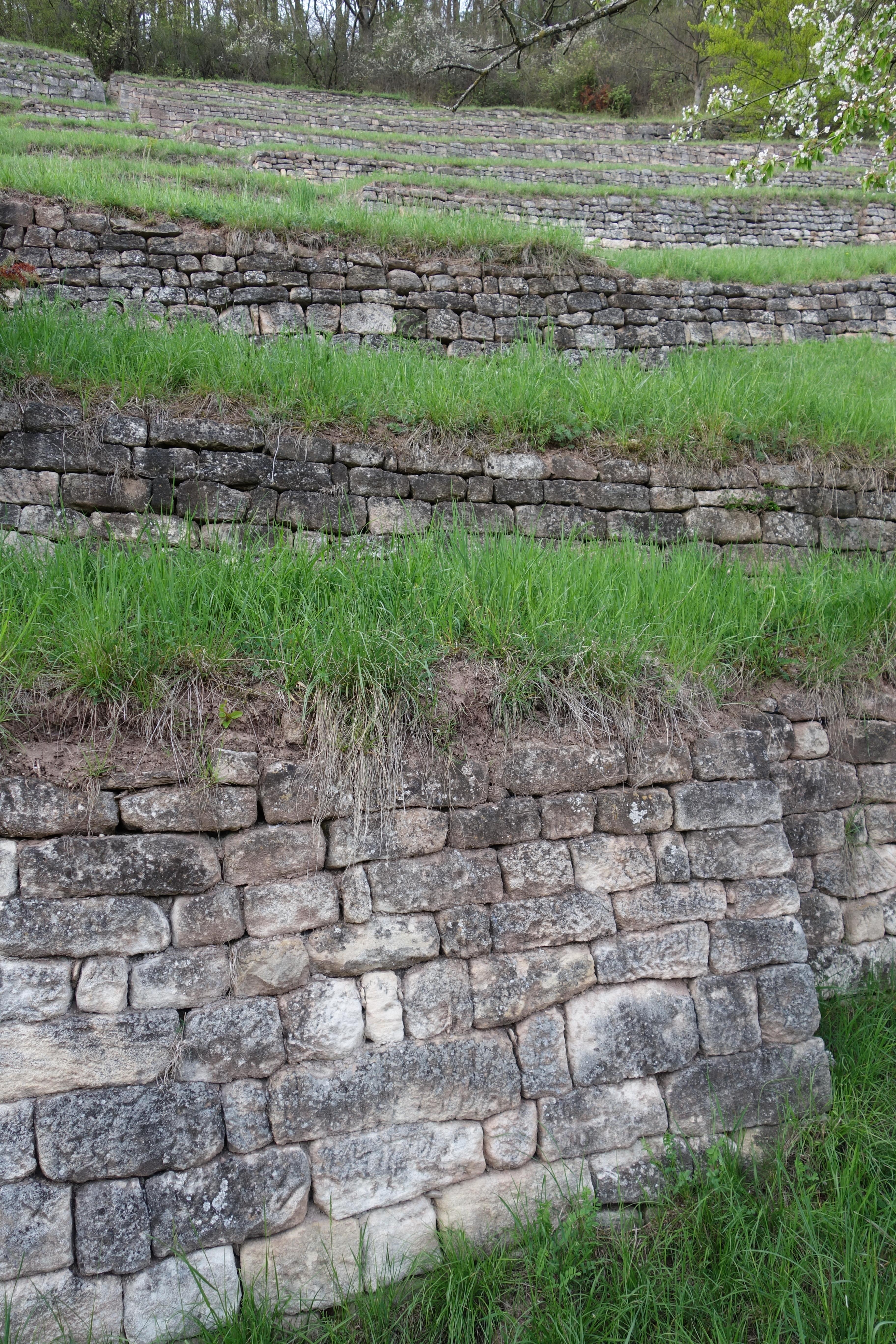
The Hirschauer Berg is a hillside in Germany whose steep, south-facing slopes still show the pattern of ancient vineyard terraces. Winemakers shaped this ground from the Middle Ages onward, terracing the slope and propping each level with dry stone walls. Some of those walls have crumbled, others stand newly rebuilt. Every one of them was raised by hand, stone on stone, without mortar.
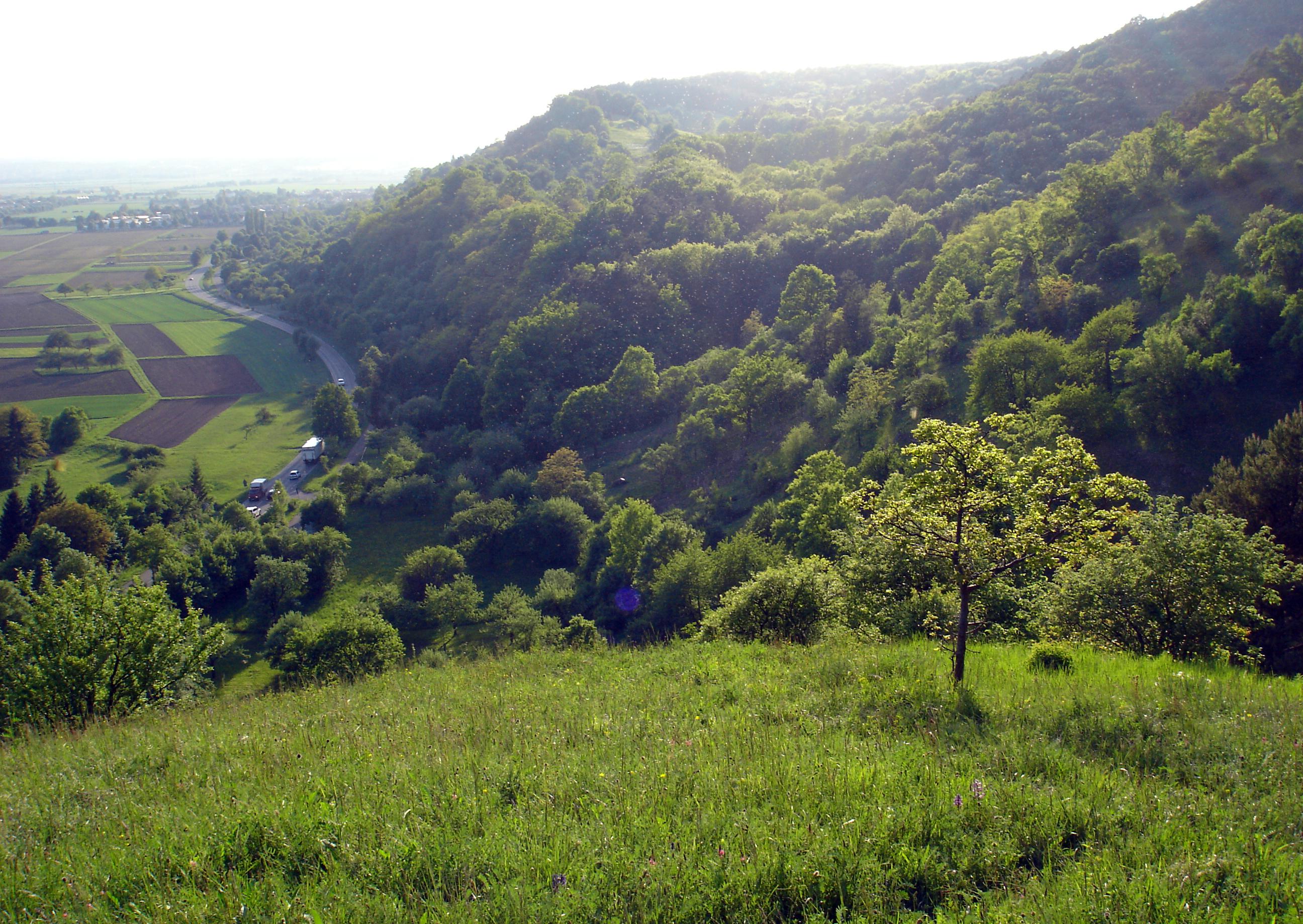
When viticulture faded, nature reclaimed the terraces: semi-dry grassland, shrubs and light pine woods have taken hold between the walls. The hillside is strictly protected, because its dry, sun-warmed slopes shelter plants that arrived from far to the east. The Hungarian vetchling and the downy milkvetch are among them. And the Libellen-Schmetterlingshaft, an insect seldom seen in Central Europe, has one of its last strongholds here.
Repair work carries on year after year, with volunteers and specialists rebuilding failing wall sections by hand. Each wall works for the living as well: it shelters small creatures, holds the soil and keeps the slope open for wildflowers. Look at the stones themselves: the hands that set them and the wildflowers in the gaps belong to one story, centuries apart.
- City
- Tübingen
- Content updated
Take this page with you
The myTuur app is free, and once you are standing at a spot its story starts by itself.


Spots like this one are the stops myTuur strings into tours through Tübingen. In the app, each story begins where you stand: walk up to a spot and it starts, read it on screen or listen as you go, then follow the route to the next one.
What is myTuur?
myTuur is a free city-guide app. Its tours are built from spots, and each spot carries a story that starts when you get there, to read or to listen to as you like.