Kalaja e Gjirokastrës
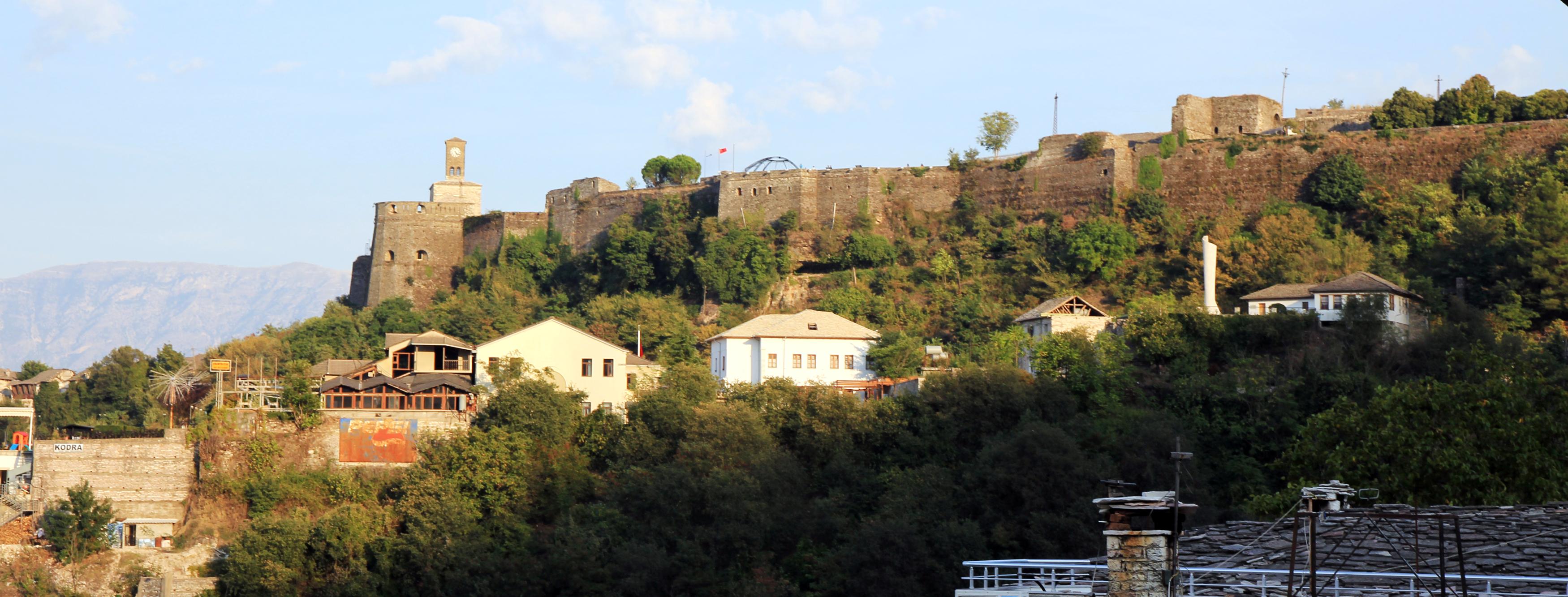
Kalaja e Gjirokastrës rises above Gjirokastra, Albania, from a rocky hill about 336 metres above sea level. Its stone walls follow the hillside, overlooking the city and the river valley route below. The southern entrance begins at the old bazaar, reached by a steep cobbled street lined with art and souvenir stalls.
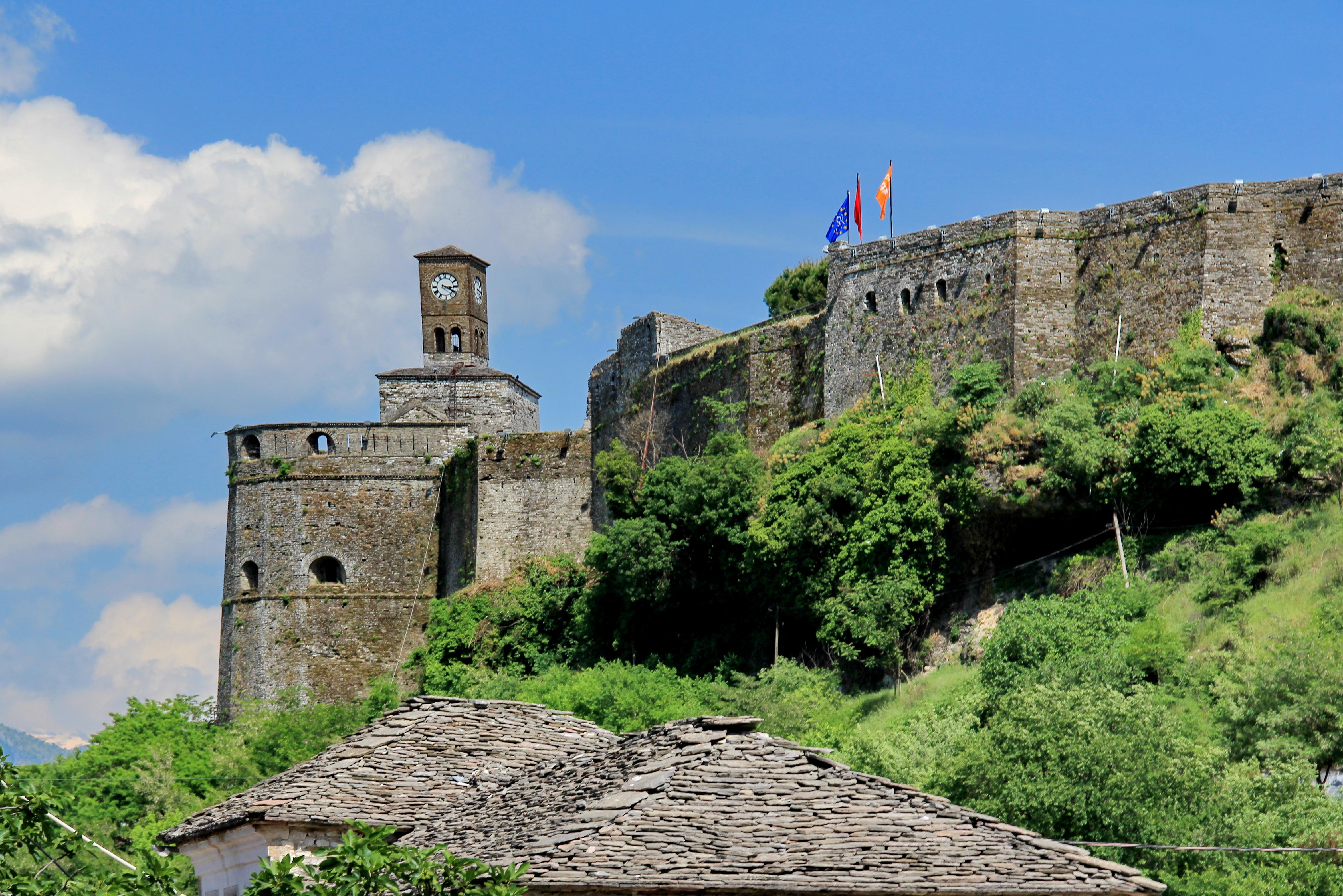
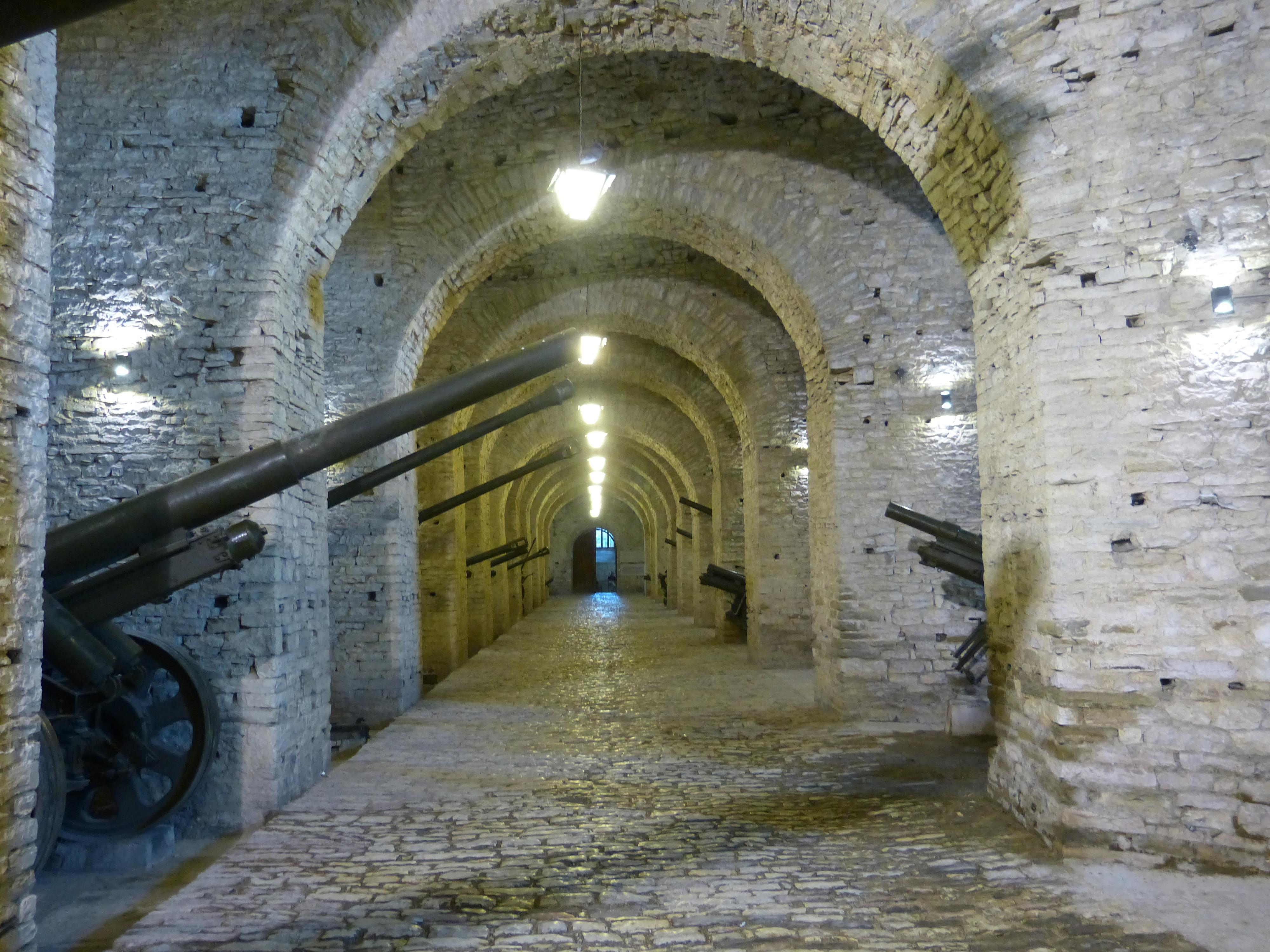
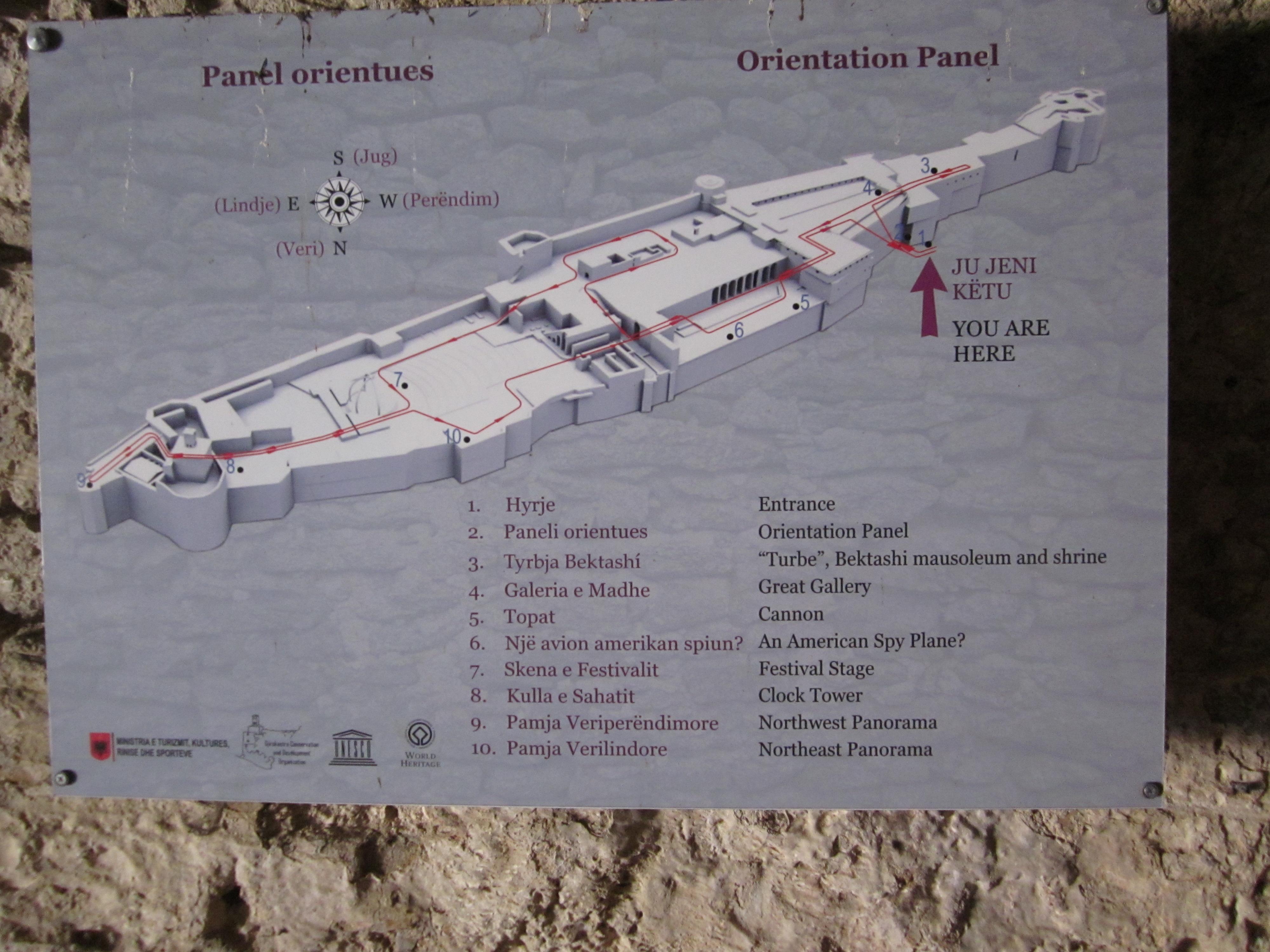
The fortress existed before the twelfth century and expanded westward under Ali Pasha of Tepelene after 1812. Five towers, a clock tower, two teke, a cistern, and four entrances form the complex. Museums present the city’s history, captured artillery, Second World War weapons, and an Italian Fiat L6/40 light tank. The former prison contains political cells and the weapons museum, while a courtyard displays a United States Air Force aircraft forced to land at Tirana in 1957. A stage hosts Albania’s National Folk Festival, and UNESCO recognises the site as cultural heritage.
Three aqueduct pillar foundations remain near the southwestern wall, recalling a waterway from Mount Sopot. The prison used stones from that aqueduct after its demolition in 1932. From the city below, the walls rise steeply around roughly 2.5 hectares, making the clock tower and fortress visible across Gjirokastra.
- City
- Gjirokastra
- Content updated
Take this page with you
The myTuur app is free, and once you are standing at a spot its story starts by itself.


Spots like this one are the stops myTuur strings into tours through Gjirokastra. In the app, each story begins where you stand: walk up to a spot and it starts, read it on screen or listen as you go, then follow the route to the next one.
What is myTuur?
myTuur is a free city-guide app. Its tours are built from spots, and each spot carries a story that starts when you get there, to read or to listen to as you like.