La Paix de 1815
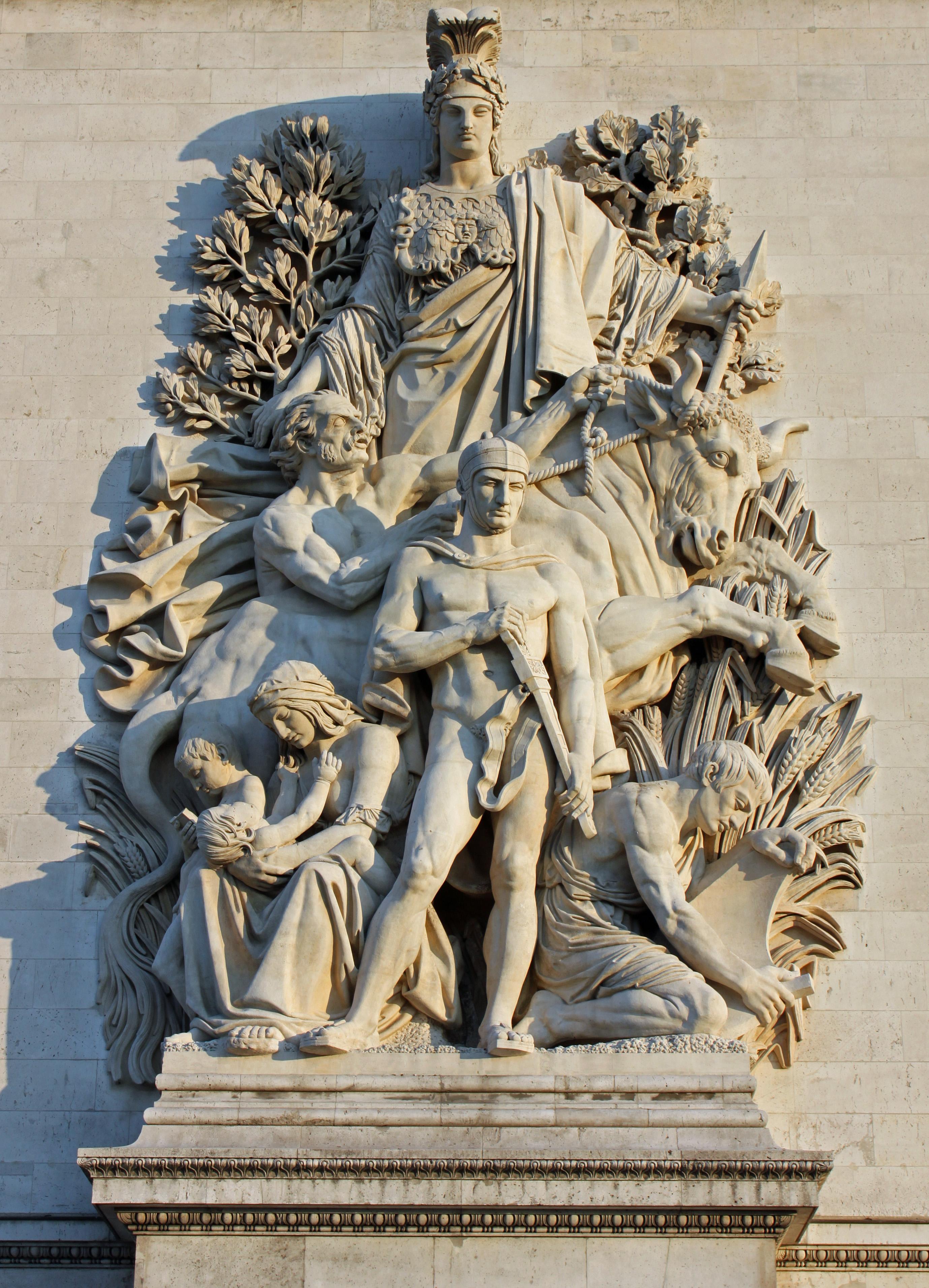
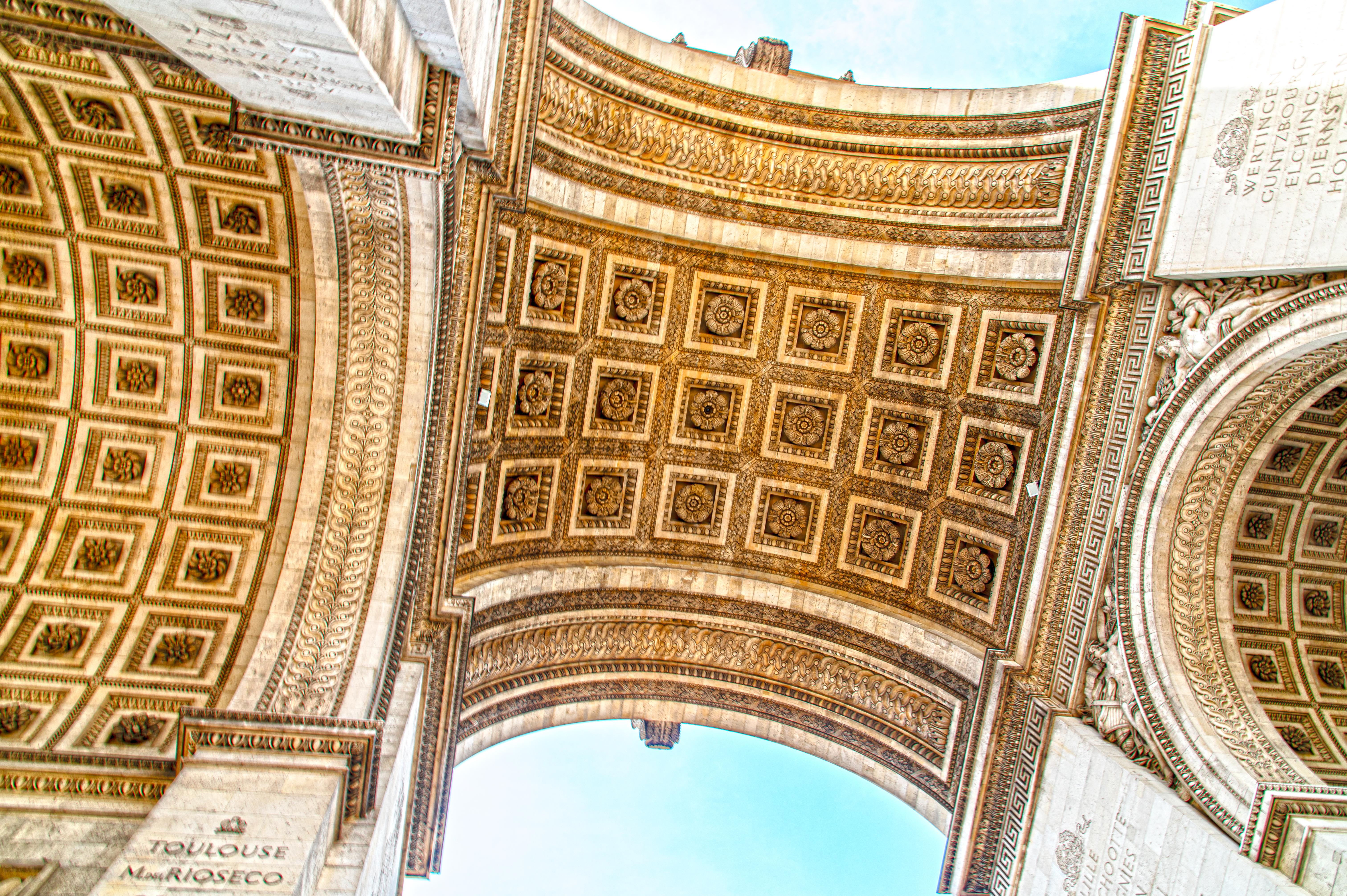
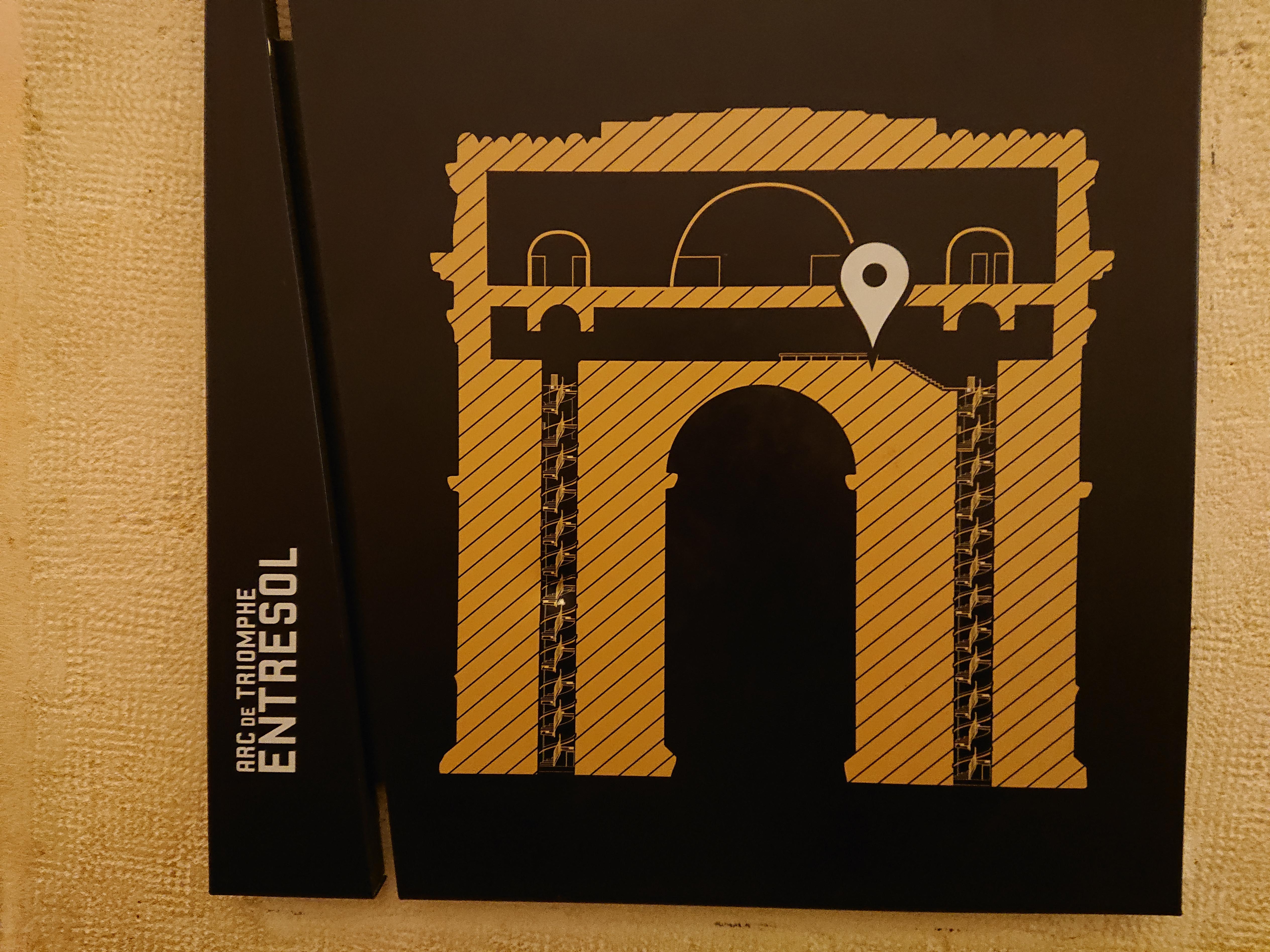
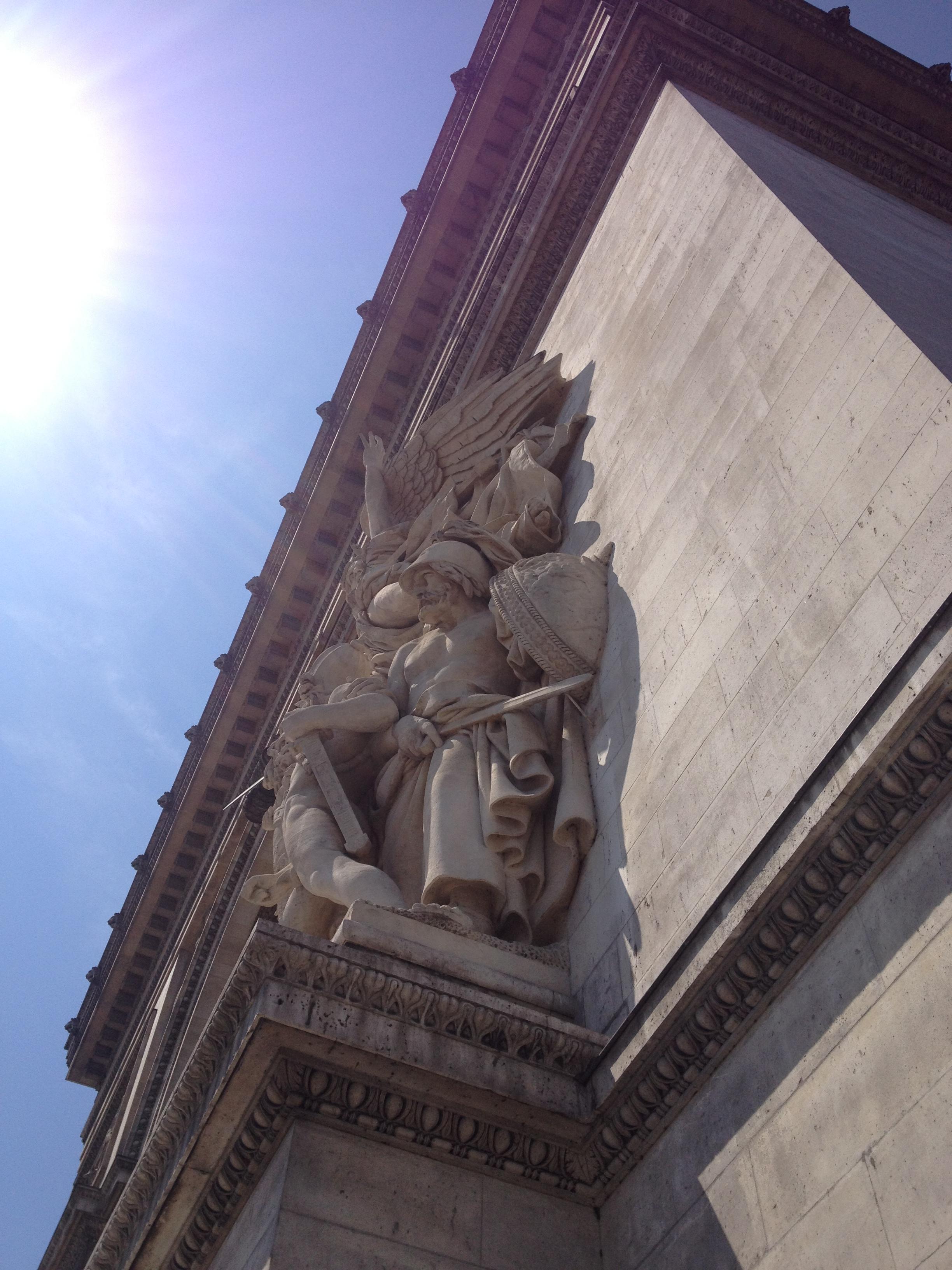
La Paix de 1815 sits low on the northwest pillar of the Arc de Triomphe, one of the monument's four main sculptures. Antoine Étex carved the high relief in stone between 1833 and 1836. The arch around it rises fifty-one metres above the Place de l'Étoile and ranks as the second-largest triumphal arch in existence. Napoleon commissioned it, and Jean Chalgrin's design ran from 1806 to 1836.
The relief marks the return of peace after the Treaty of Paris of 1815, the agreement that ended Napoleon's Hundred Days. Minerva, goddess of victory, dominates the group as the inspiration for the arts and labours of peace. At the centre a mother holds her child, family life restored. Nearby a boy reads, a picture of education taking root. To the left a kneeling peasant examines the blade of his plough, while behind him a farm labourer tames a bull. Together they spell out the prosperity of farming in peacetime. Étex also carved its counterpart, La Résistance de 1814, so one hand shaped both resistance and peace.
Étex was born in Paris in 1808, trained under James Pradier at the École des Beaux-Arts, and finished his studies in Rome. The commission came to him on his return to Paris and began his career as a sculptor. The arch honours those who fought for France, and this pillar shows what they came home to.
- City
- Paris
- Content updated
Take this page with you
The myTuur app is free, and once you are standing at a spot its story starts by itself.


Spots like this one are the stops myTuur strings into tours through Paris. In the app, each story begins where you stand: walk up to a spot and it starts, read it on screen or listen as you go, then follow the route to the next one.
What is myTuur?
myTuur is a free city-guide app. Its tours are built from spots, and each spot carries a story that starts when you get there, to read or to listen to as you like.