Bankhaus Mendelssohn
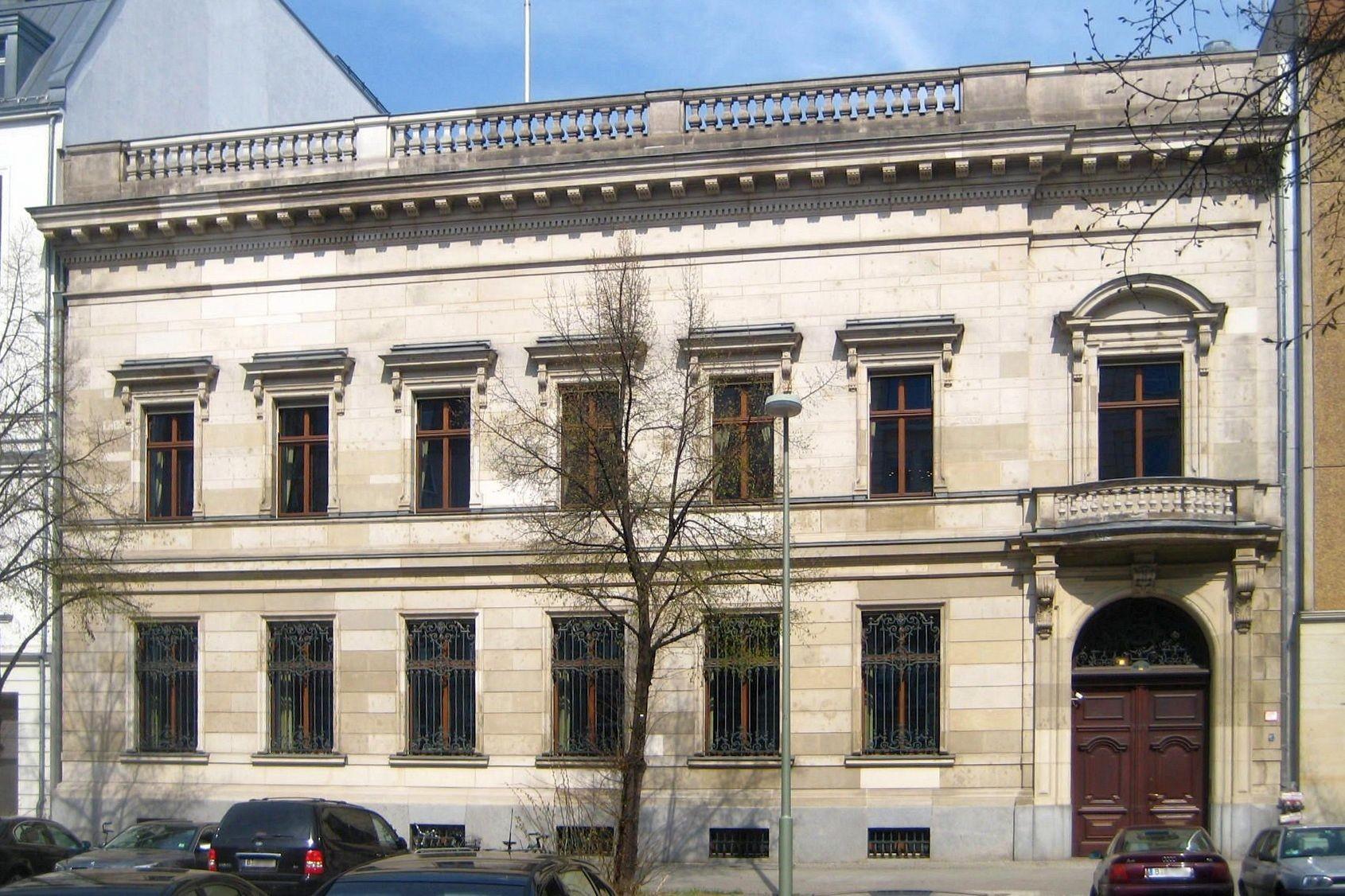
In Berlin, the Bankhaus Mendelssohn welcomes you with a Neoclassical palace, completed in 1893 from designs by Martin Gropius and Heino Schmieden. Its grandeur and symmetry look back to classical antiquity. Under one roof it once held the family's residence and its bank. Joseph Mendelssohn, eldest surviving son of the philosopher Moses Mendelssohn, founded that bank in 1795.
It began as a trade in money and goods. After a brief spell in Hamburg under French occupation, the bank was back in Berlin by 1811. Through the nineteenth century it grew into one of the largest private banks in the city. It financed new railway lines and placed German and foreign government bonds on the market. Business with the Russian Empire ran on personal ties reaching up to the imperial court. The house also managed the wealth of artists and scholars, among them Alexander von Humboldt and Clara Schumann.
When the Nazis took power in 1933, the end came within five years: liquidation in 1938, its operations passing to Deutsche Bank. Partly destroyed in the Second World War, the palace still stands and houses a company.
- City
- Berlin
- Content updated
Take this page with you
The myTuur app is free, and once you are standing at a spot its story starts by itself.


Spots like this one are the stops myTuur strings into tours through Berlin. In the app, each story begins where you stand: walk up to a spot and it starts, read it on screen or listen as you go, then follow the route to the next one.
What is myTuur?
myTuur is a free city-guide app. Its tours are built from spots, and each spot carries a story that starts when you get there, to read or to listen to as you like.