Parc del Laberint d'Horta
Parc del Laberint d'Horta sits against the Collserola ridge in Barcelona, on the former estate of the Desvalls family. It is the oldest historical garden in the city. Roughly nine hectares split between a neoclassical garden from the late eighteenth century and a romantic one from the nineteenth. A belt of Mediterranean forest rings the grounds.
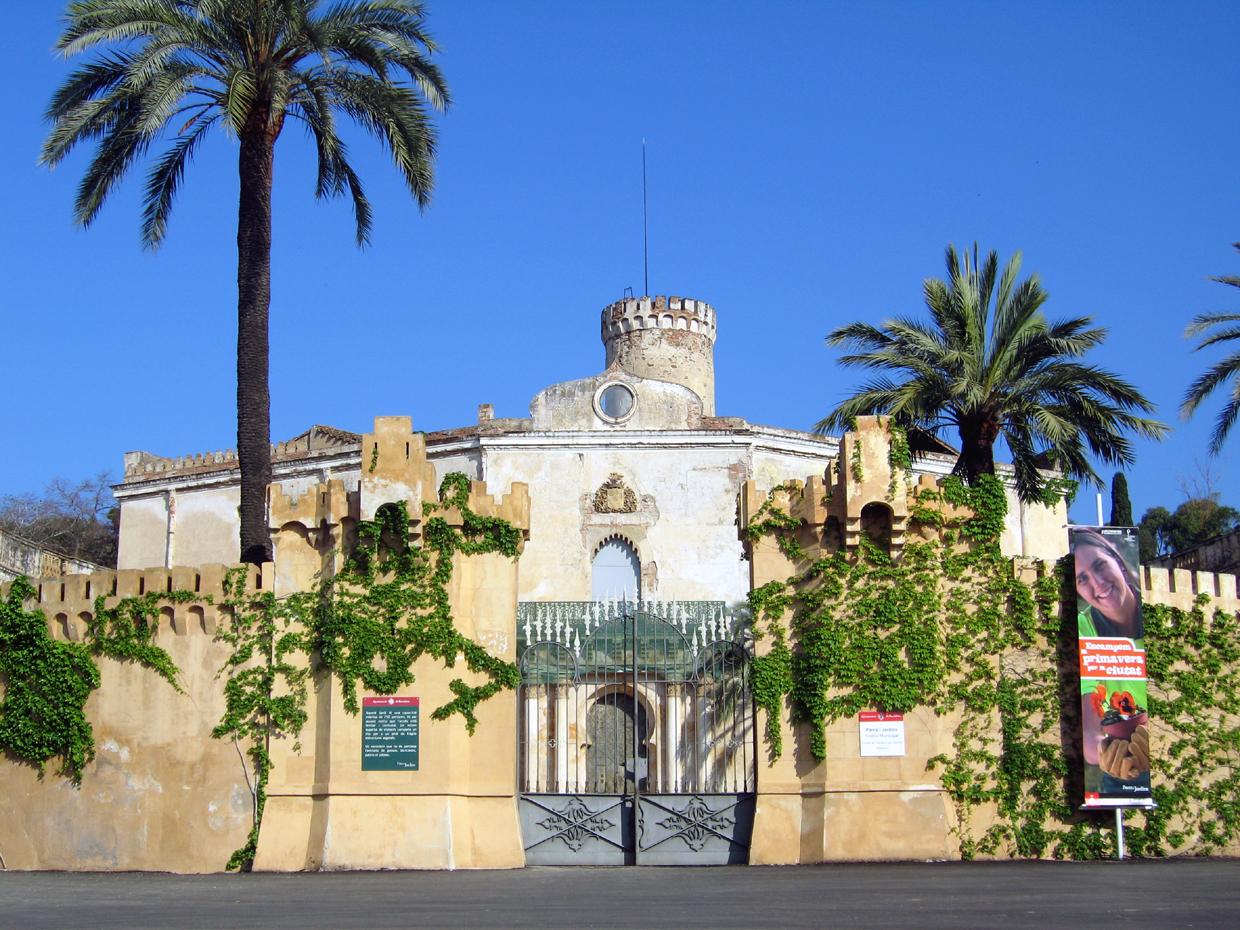
Work began in 1791, when the marquis Joan Antoni Desvalls i d'Ardena and the Italian architect Domenico Bagutti designed the neoclassical garden. The master builders Jaume and Andreu Valls carried out the work, and the French gardener Joseph Delvalet saw to the planting. His descendants extended the grounds in the mid-nineteenth century under the architect Elies Rogent. By the century's end the estate hosted open-air theatre and received Spanish royalty three times. In 1967 the family handed the park to the city, which opened it to the public in 1971. Beside the entrance, the old palace mixes neo-Arabic and neo-Gothic features around the medieval Torre Sobirana watchtower. Since 1993 it has housed the Centre de Formació del Laberint, a gardening school with a horticulture library. A restoration backed by the European Union followed in 1994, and the park runs as a garden-museum.
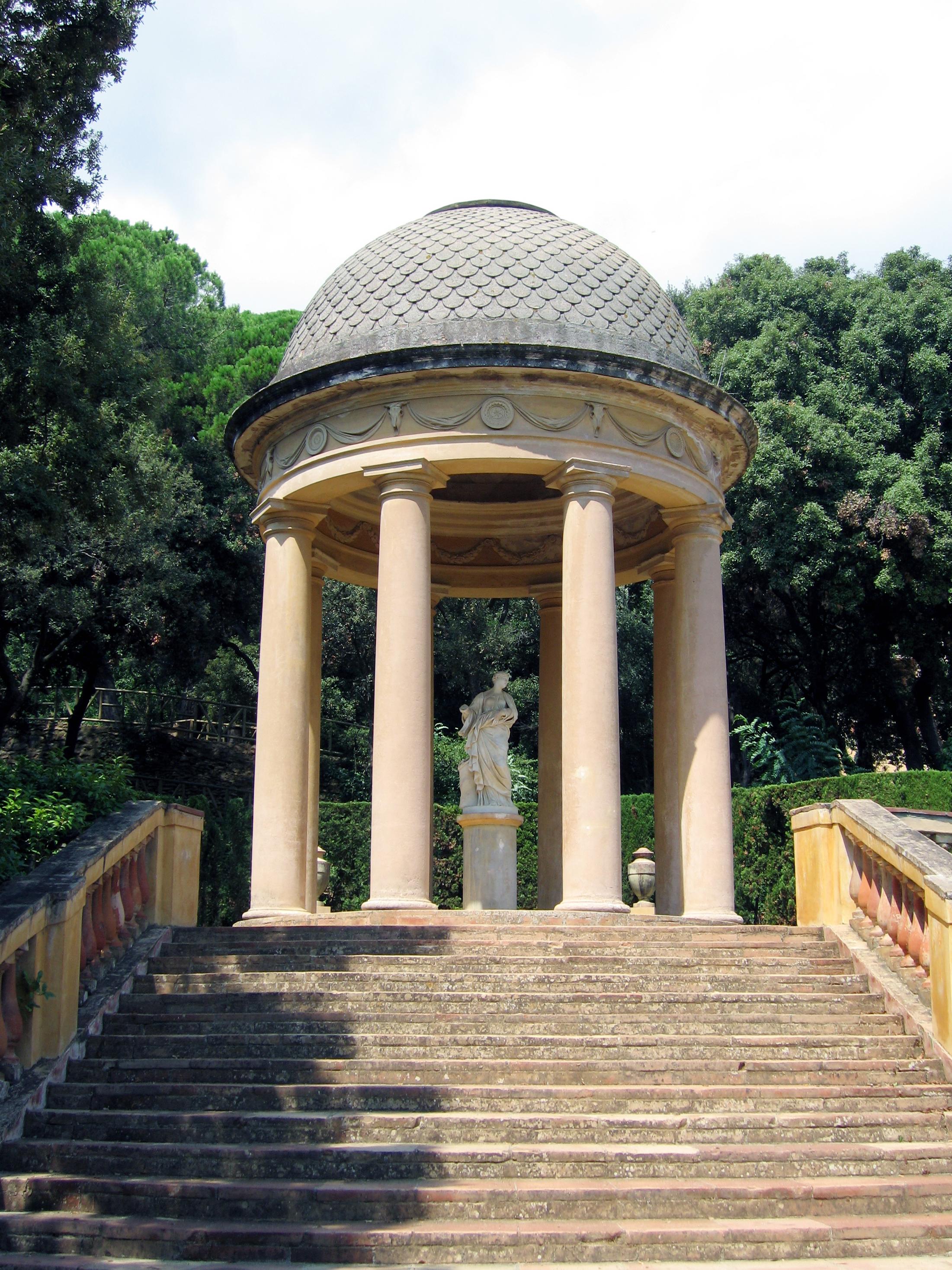
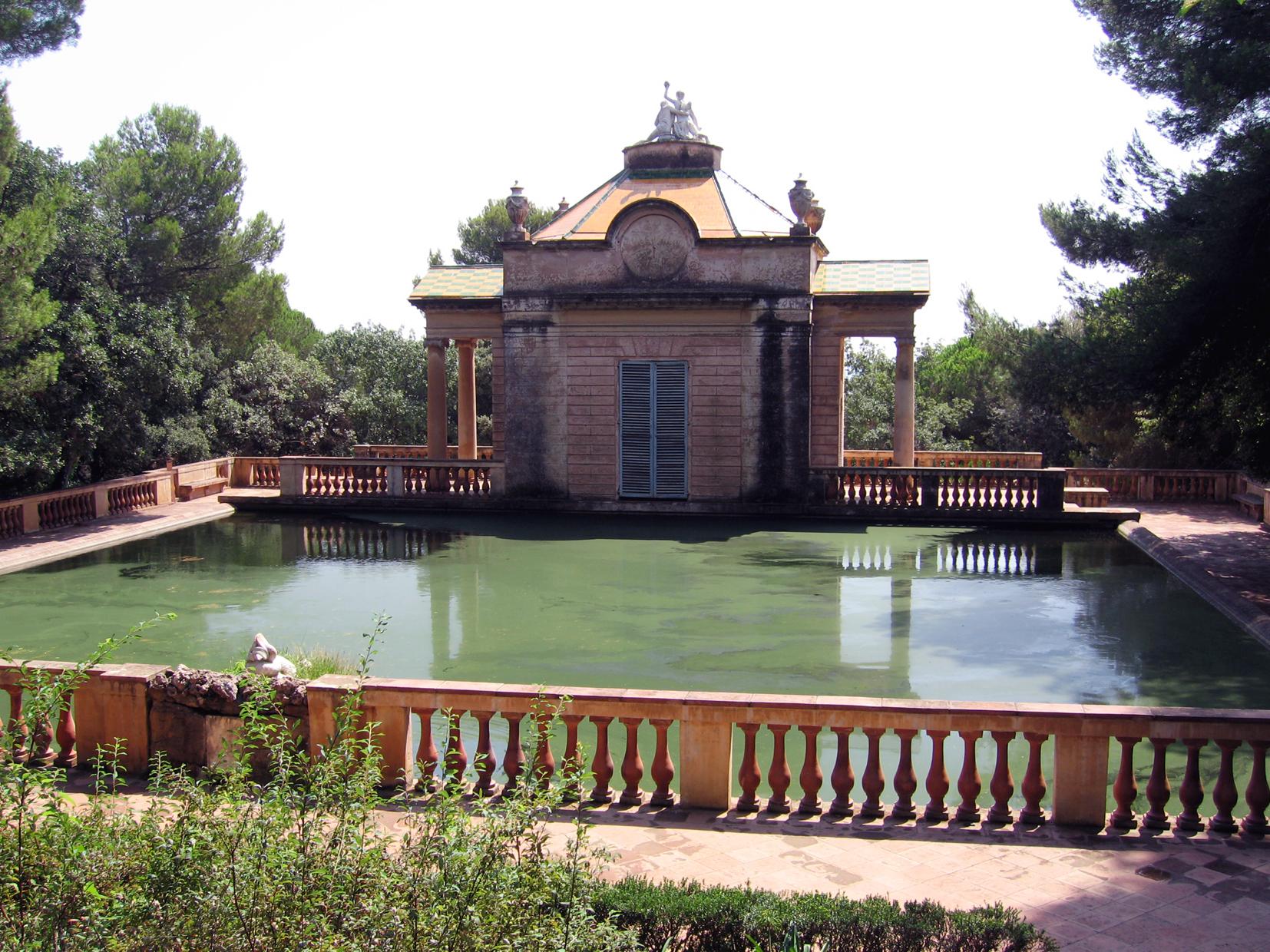
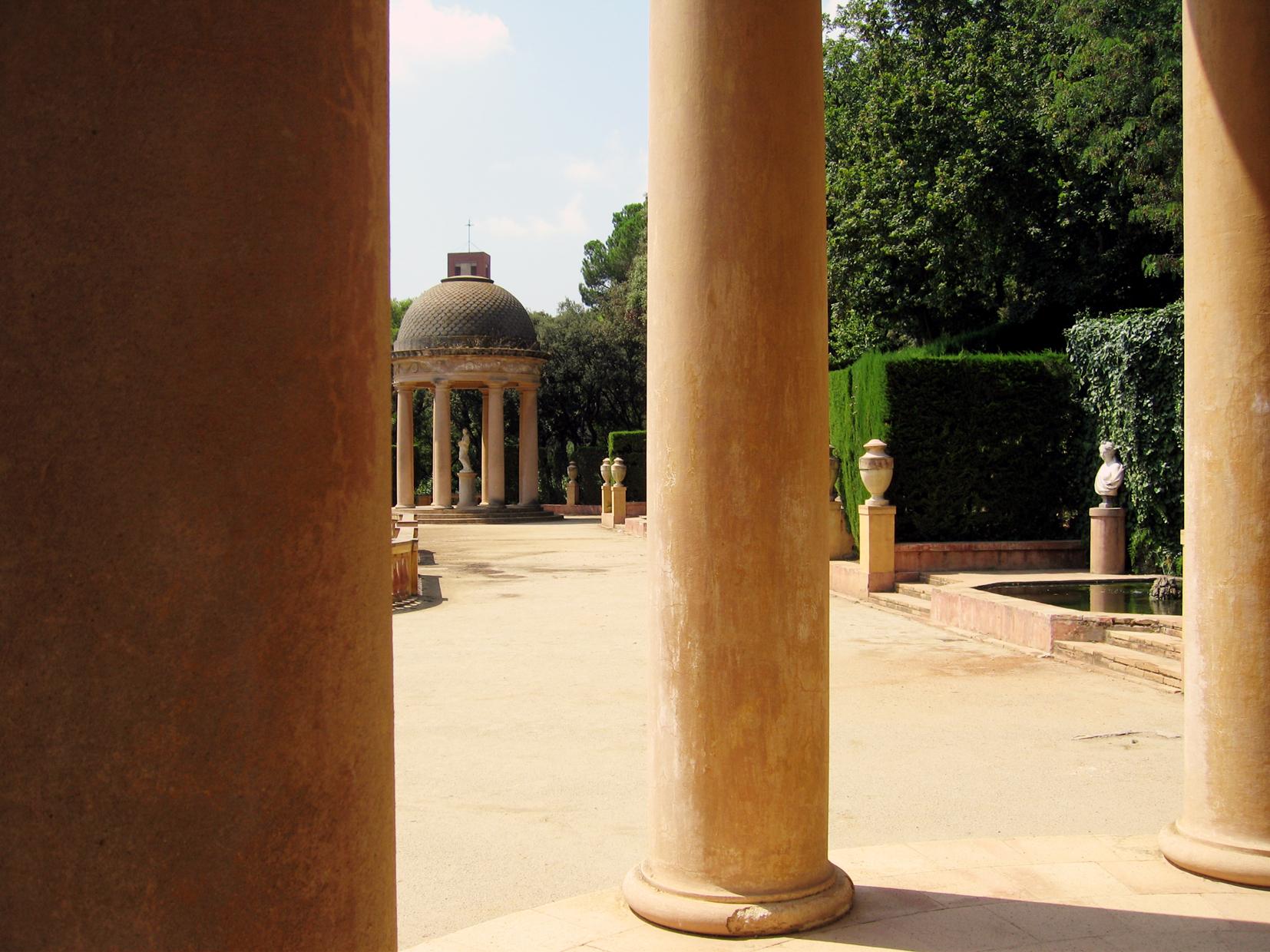
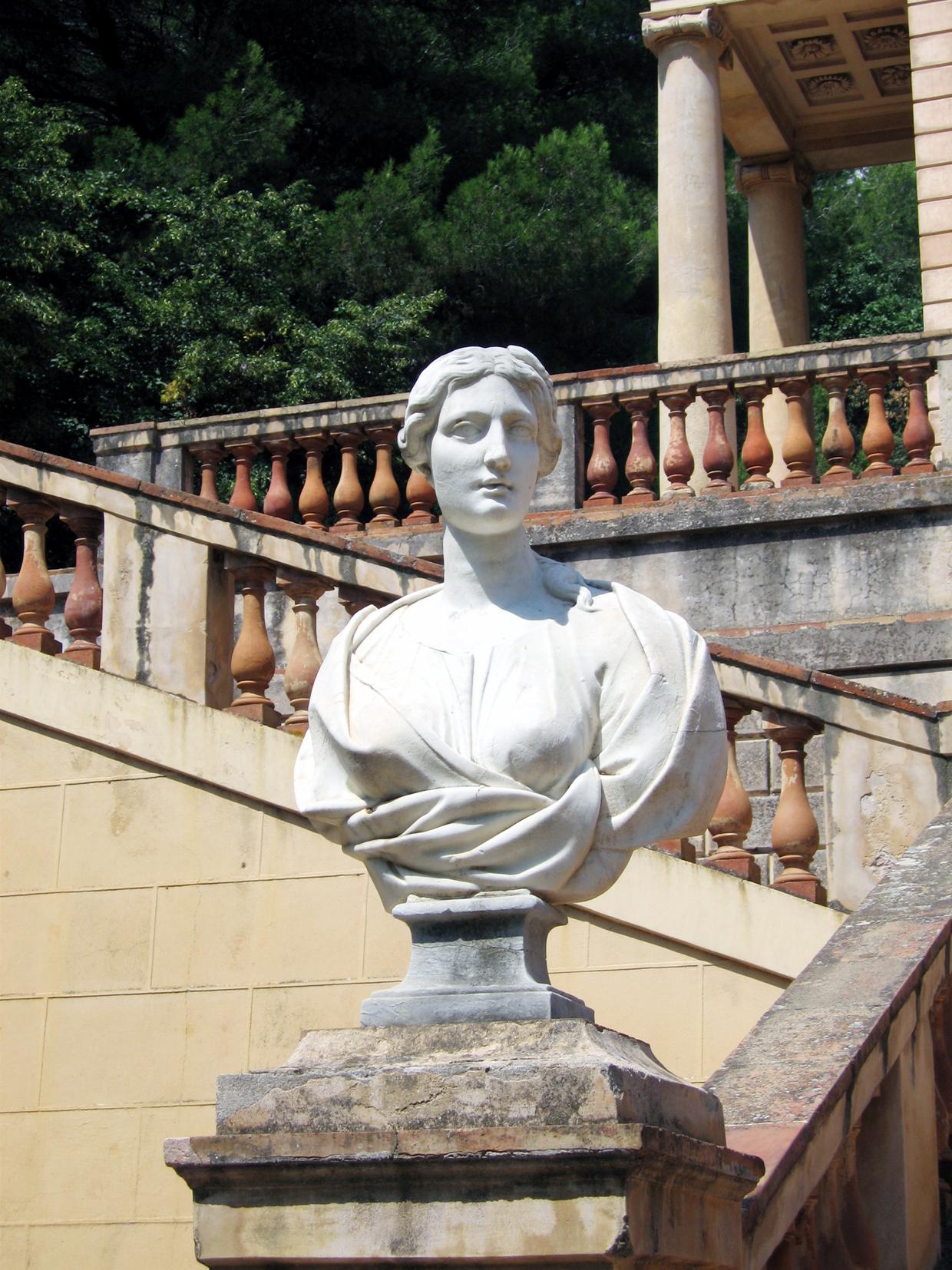
The older of the two gardens unfolds across three terraces. On the lowest, clipped cypress hedges form a labyrinth of some 750 metres. A marble relief of Ariadne and Theseus marks the way in. The middle terrace carries two Italian-style pavilions, round like Roman temples. The highest holds a pavilion for the nine muses, with a spring-fed pond behind. Love is the theme running through all of it. The romantic garden answers with flower beds, big trees and a waterfall at its northern edge. By repute, that second garden once carried a theme of death, small graveyard and all. Find your way through the cypress and a statue of Eros, god of love, is waiting at the centre.
- City
- Barcelona
- Content updated
Take this page with you
The myTuur app is free, and once you are standing at a spot its story starts by itself.


Spots like this one are the stops myTuur strings into tours through Barcelona. In the app, each story begins where you stand: walk up to a spot and it starts, read it on screen or listen as you go, then follow the route to the next one.
What is myTuur?
myTuur is a free city-guide app. Its tours are built from spots, and each spot carries a story that starts when you get there, to read or to listen to as you like.