Muzeu i Kosovës
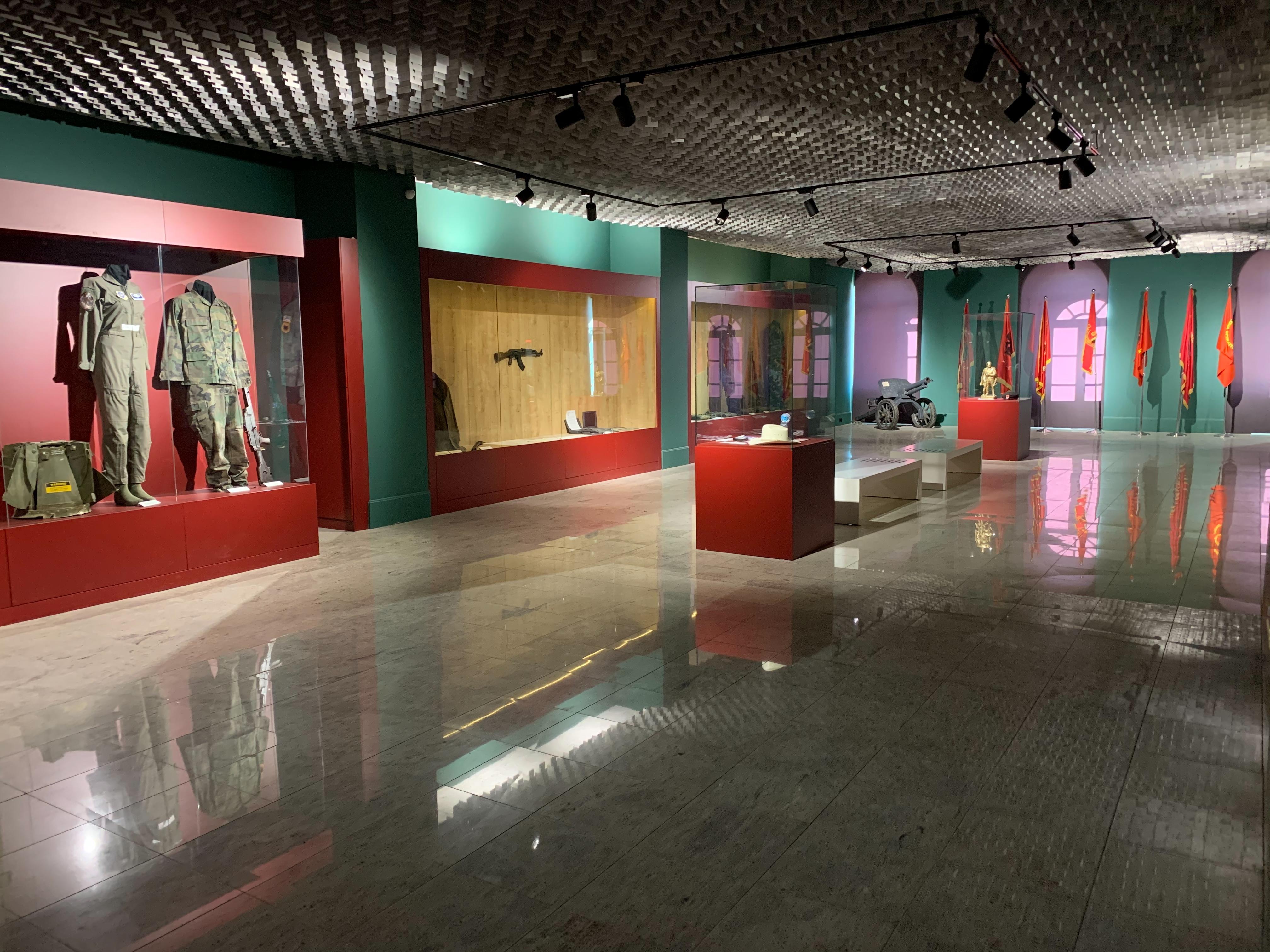
Muzeu i Kosovës stands in Prishtina’s historic heart, inside a building from the Austro-Hungarian era. Its rooms connect archaeology, history and everyday life across Kosovo’s past.
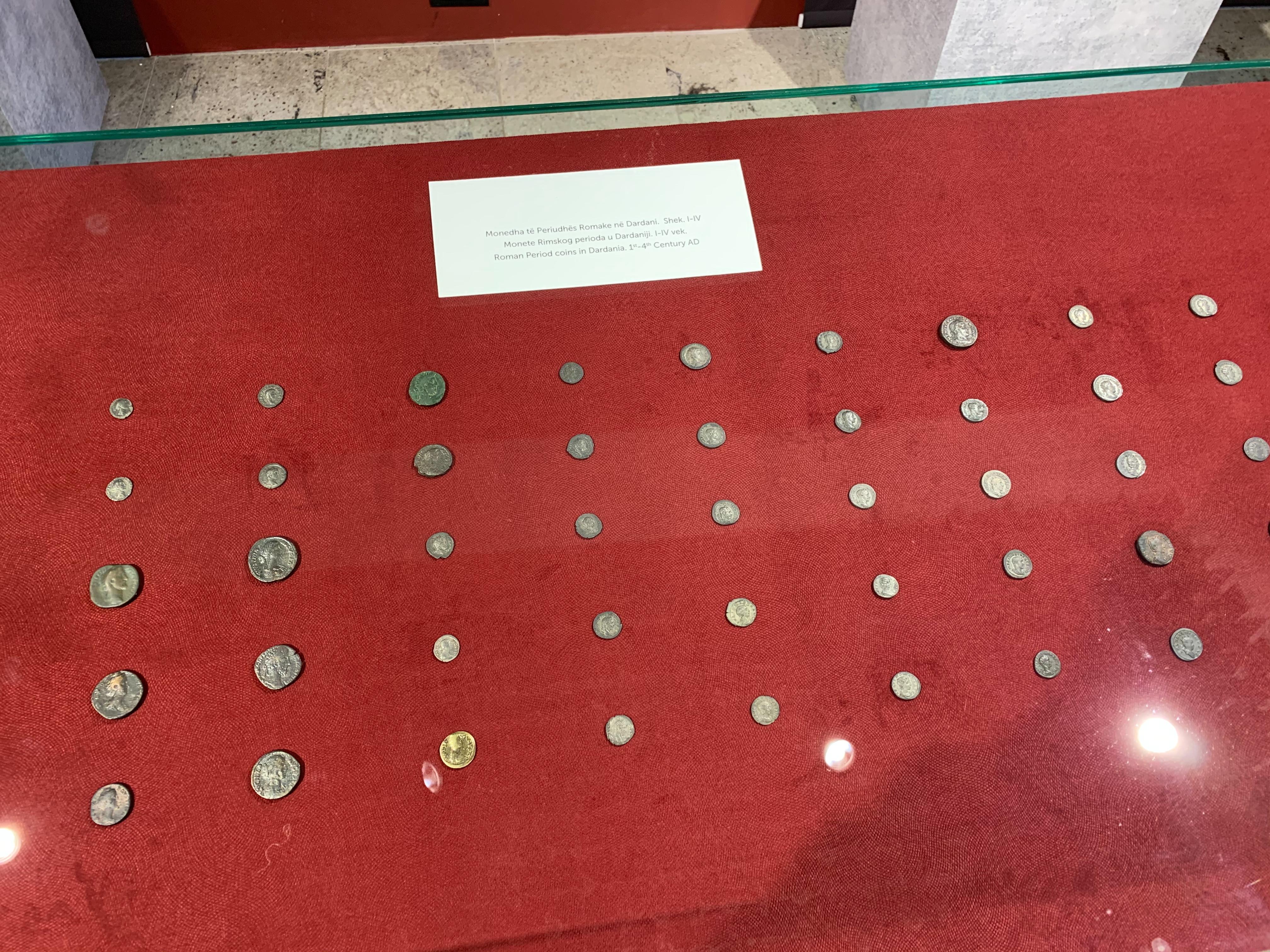
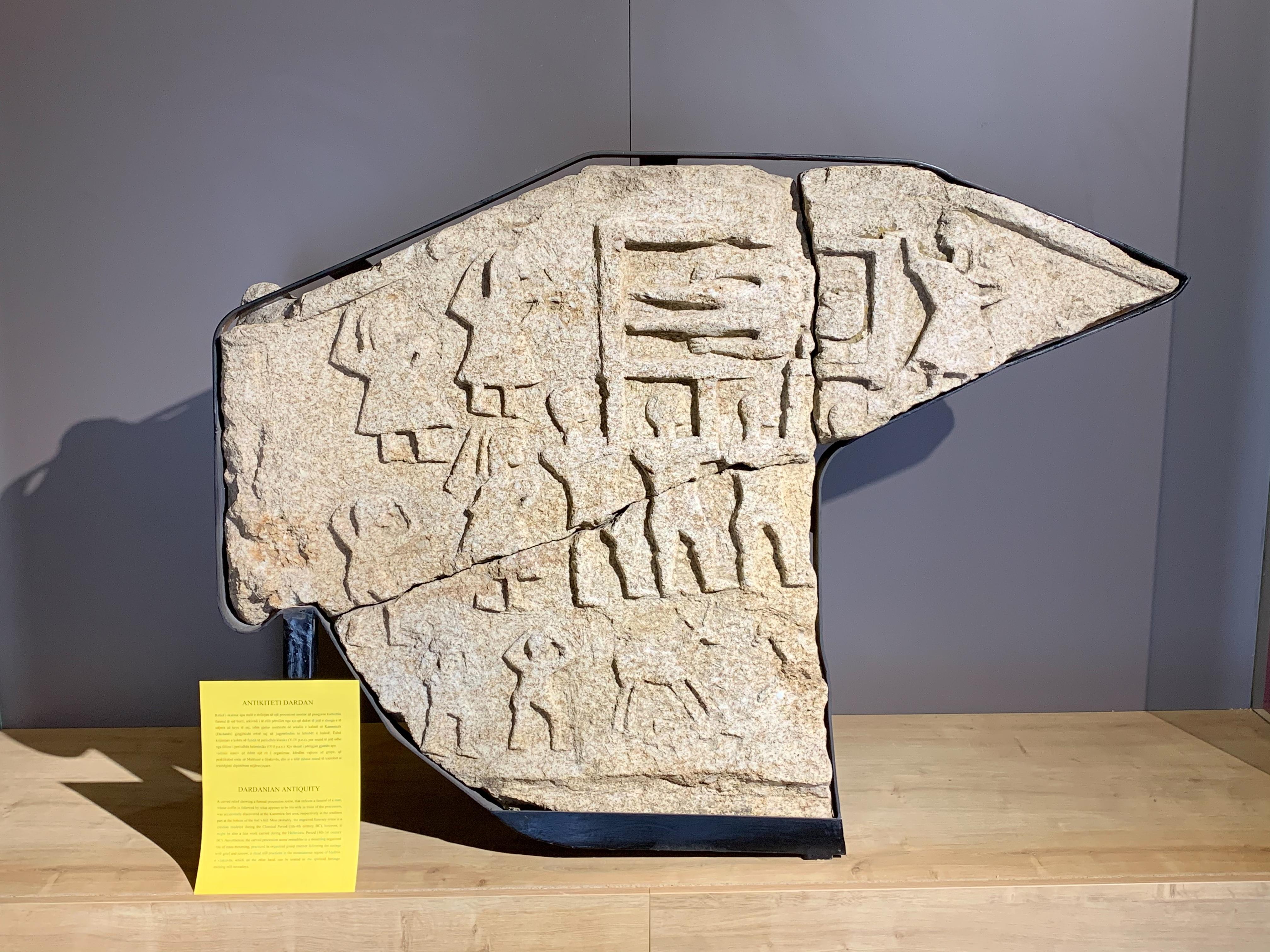
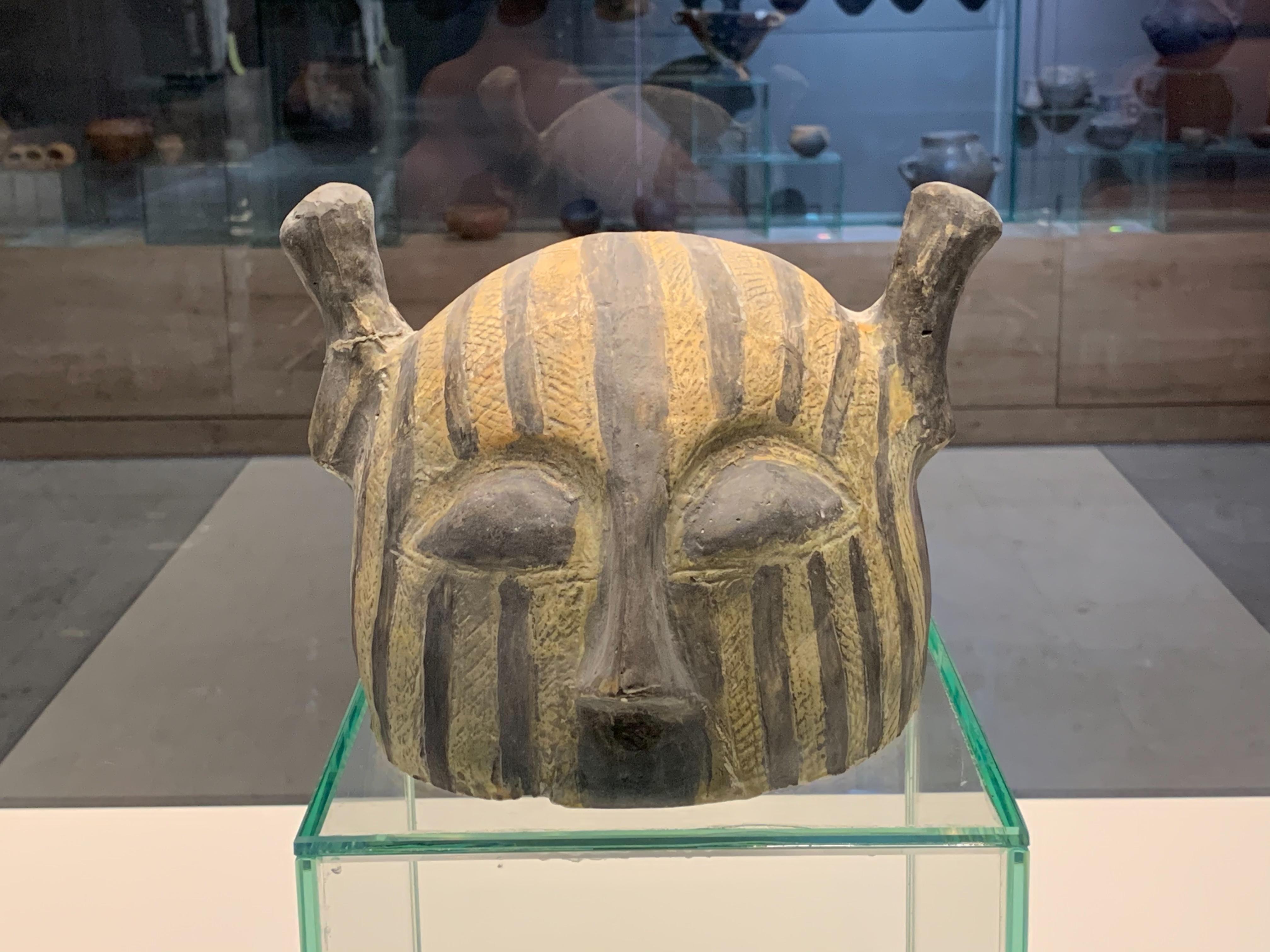
At the centre is Hyjnesha në Fron, a clay figurine from the Vinča culture. Discovered in 1956 during construction in Prishtina’s Tjerrtorja district, she dates from 5700 to 4500 BCE. Her meaning remains uncertain, with interpretations linking her to fertility, motherhood or cosmic order. Serbian authorities took her to Belgrade during the 1990s conflict, and diplomatic pressure brought her back to Kosovo in 2002. Behind glass, she also appears as a stylised symbol on Prishtina’s official emblem. Other collections include Dardanian jewellery, Illyrian weapons, Roman mosaics, medieval manuscripts, traditional clothing, tools and objects from daily life.
More than 1,200 objects are missing, with many believed to have been looted or displaced during the war. Restoration work includes new exhibition infrastructure, digital archiving and improved lighting. One small seated figure therefore carries a remarkably long journey, from a Neolithic settlement to Prishtina’s civic identity.
- City
- Pristina
- Content updated
Take this page with you
The myTuur app is free, and once you are standing at a spot its story starts by itself.


Spots like this one are the stops myTuur strings into tours through Pristina. In the app, each story begins where you stand: walk up to a spot and it starts, read it on screen or listen as you go, then follow the route to the next one.
What is myTuur?
myTuur is a free city-guide app. Its tours are built from spots, and each spot carries a story that starts when you get there, to read or to listen to as you like.