Castillo de la Concepción
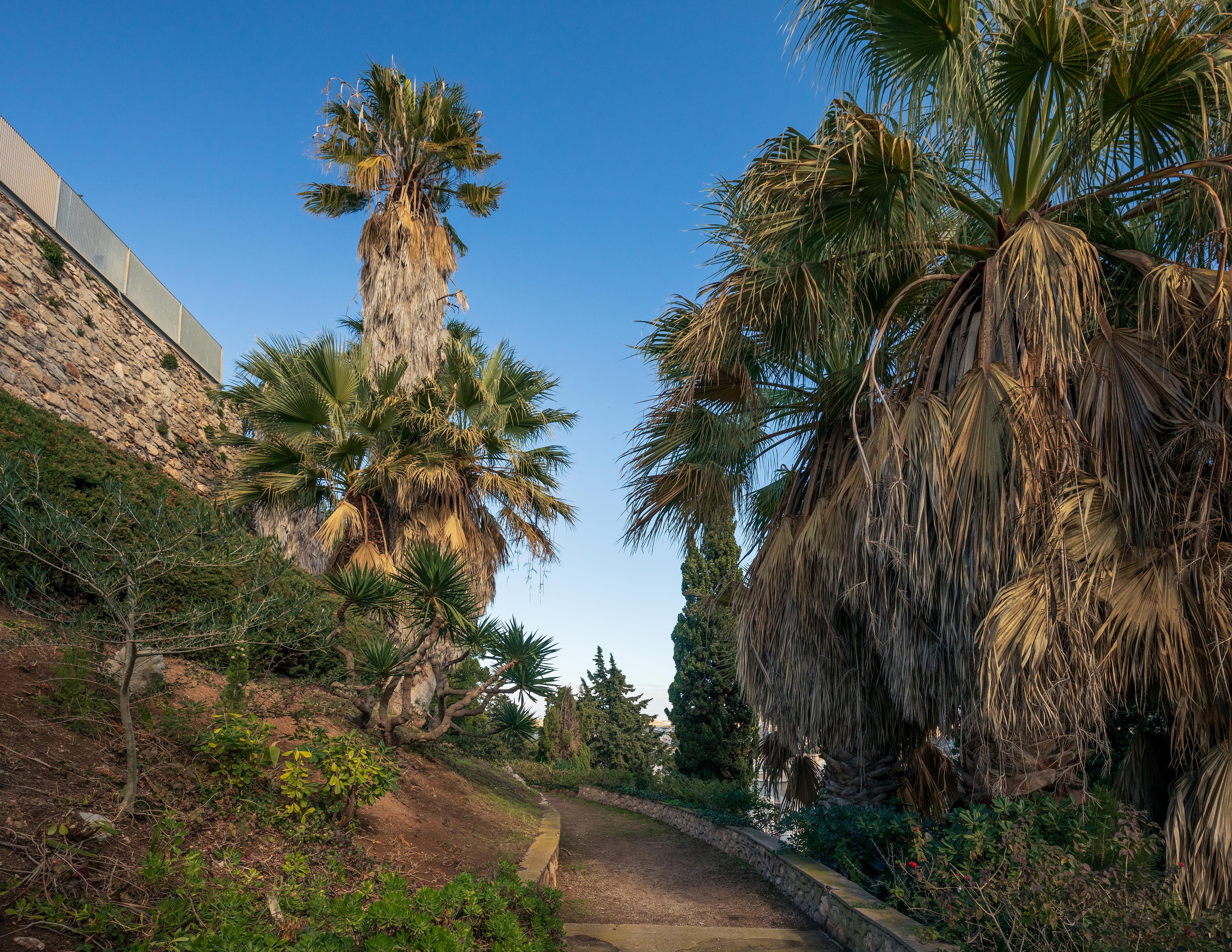
Castillo de la Concepción rises on a hill in Cartagena, above the city and its natural harbour. Five hills surrounded the ancient peninsula, while this summit commanded the waterfront and streets below.
An Almohad alcazaba occupied the site in the twelfth century, probably above an earlier temple dedicated to Asclepius. Its walls used tapial, or compacted earth, before Castilian forces captured Cartagena in 1245. Construction of a large keep began during the later thirteenth century, using stones and Roman gravestones taken from nearby ruins. The unfinished castle became Cartagena’s main defensive point during the sixteenth and seventeenth centuries, as the harbour grew into an important Spanish naval centre.
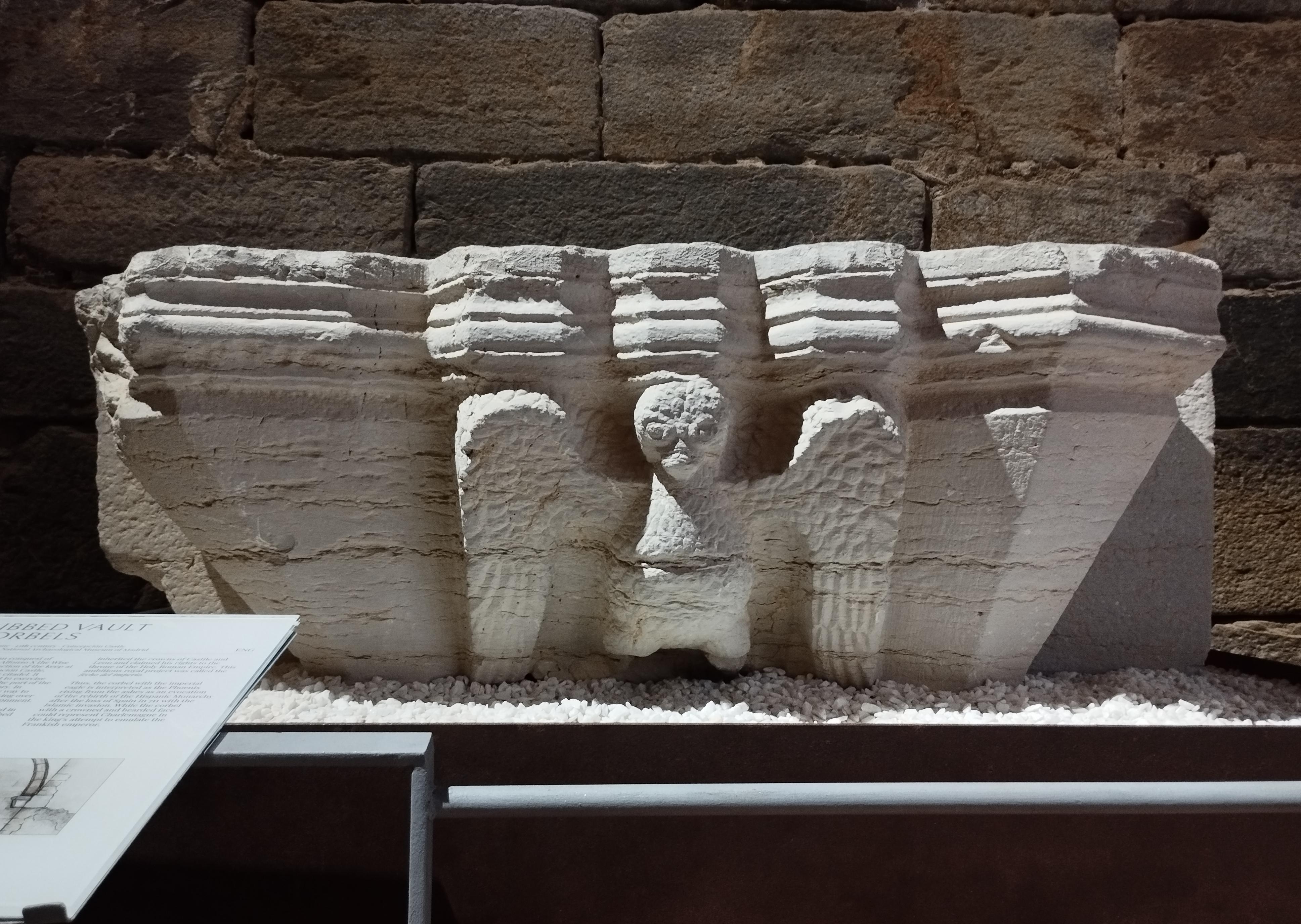
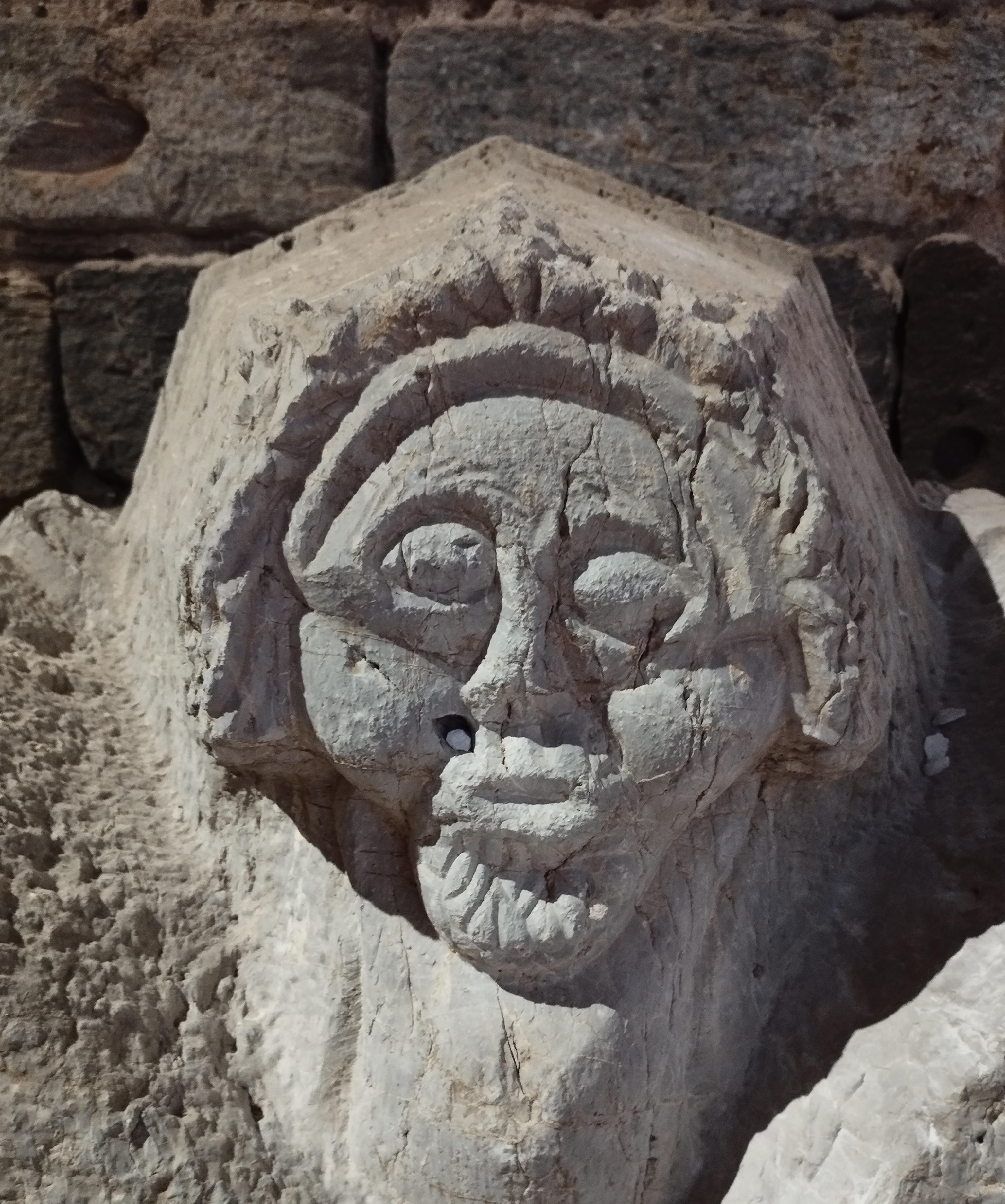
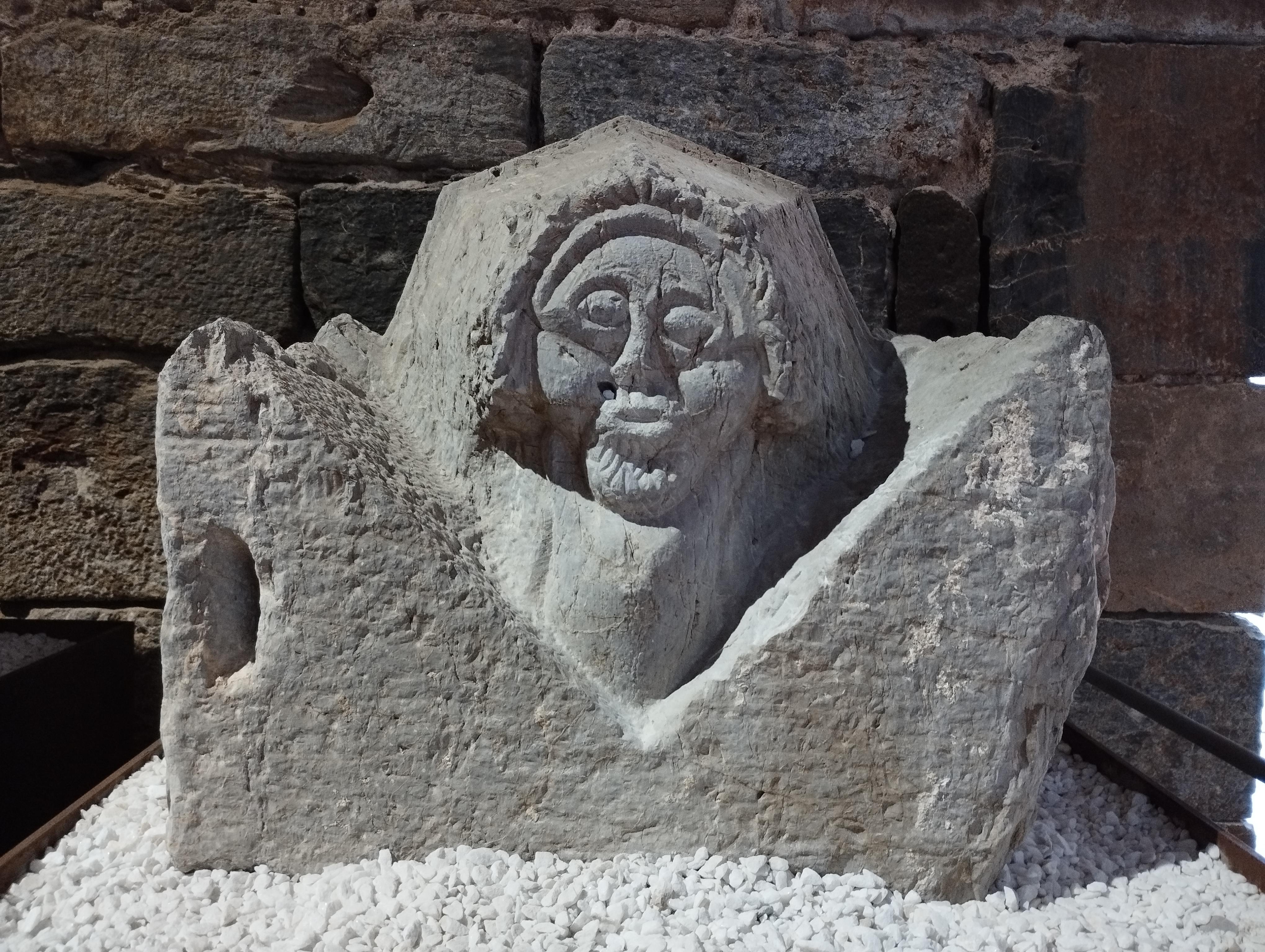
Military importance faded at the end of the eighteenth century, and parts of the structure disappeared during the following century. The castle area became a city park in the 1920s, while the surviving keep gained a small museum and interpretation centre. Inside, Cartagena’s history unfolds through layers reaching from classical worship and Almohad rule to Castilian conquest, naval defence and urban life. Look closely at the remaining masonry: Roman funerary stones still belong to the medieval keep.
- City
- Cartagena
- Content updated
Take this page with you
The myTuur app is free, and once you are standing at a spot its story starts by itself.


Spots like this one are the stops myTuur strings into tours through Cartagena. In the app, each story begins where you stand: walk up to a spot and it starts, read it on screen or listen as you go, then follow the route to the next one.
What is myTuur?
myTuur is a free city-guide app. Its tours are built from spots, and each spot carries a story that starts when you get there, to read or to listen to as you like.