Mohamed Ali Palace Mosque
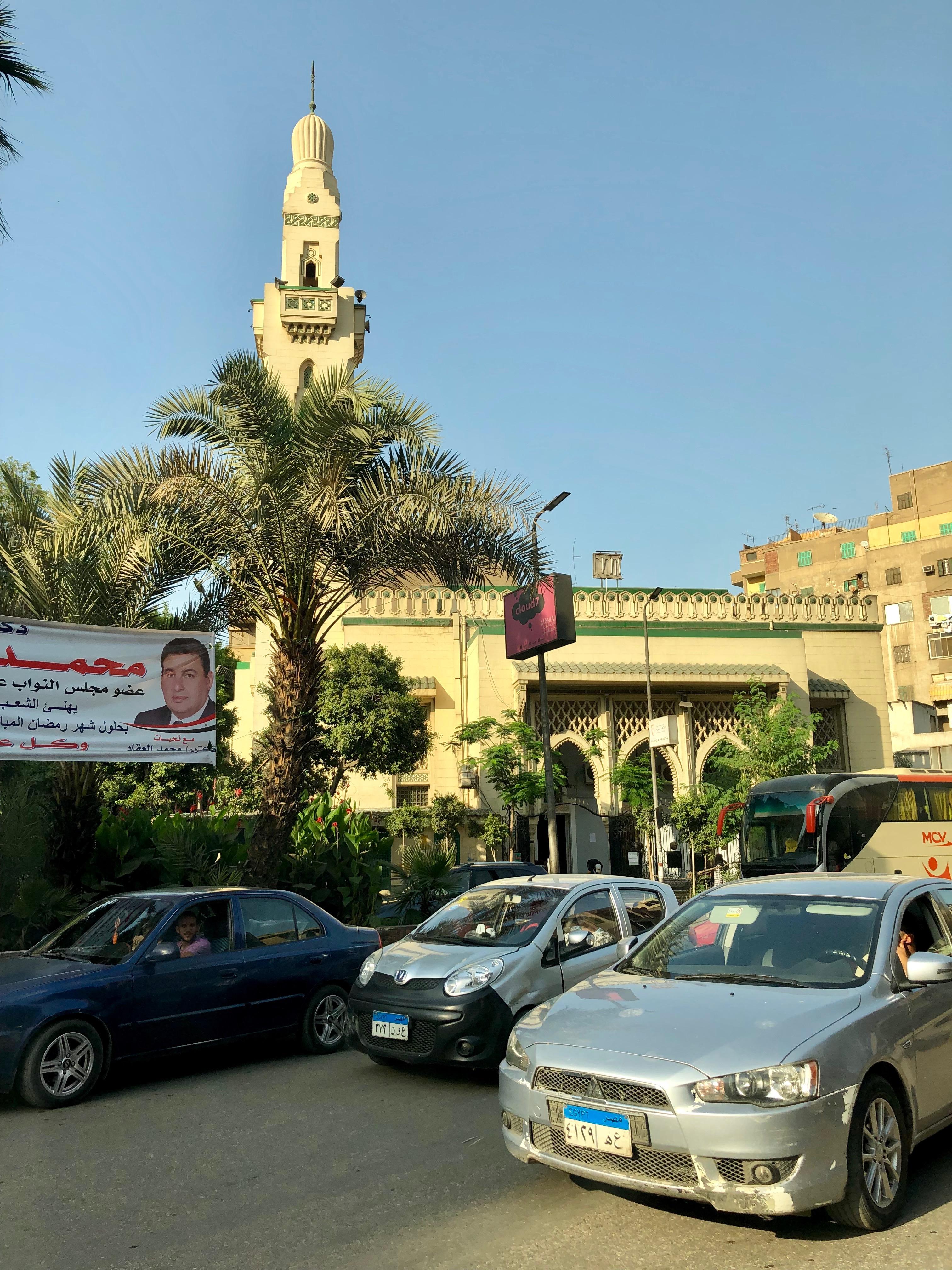
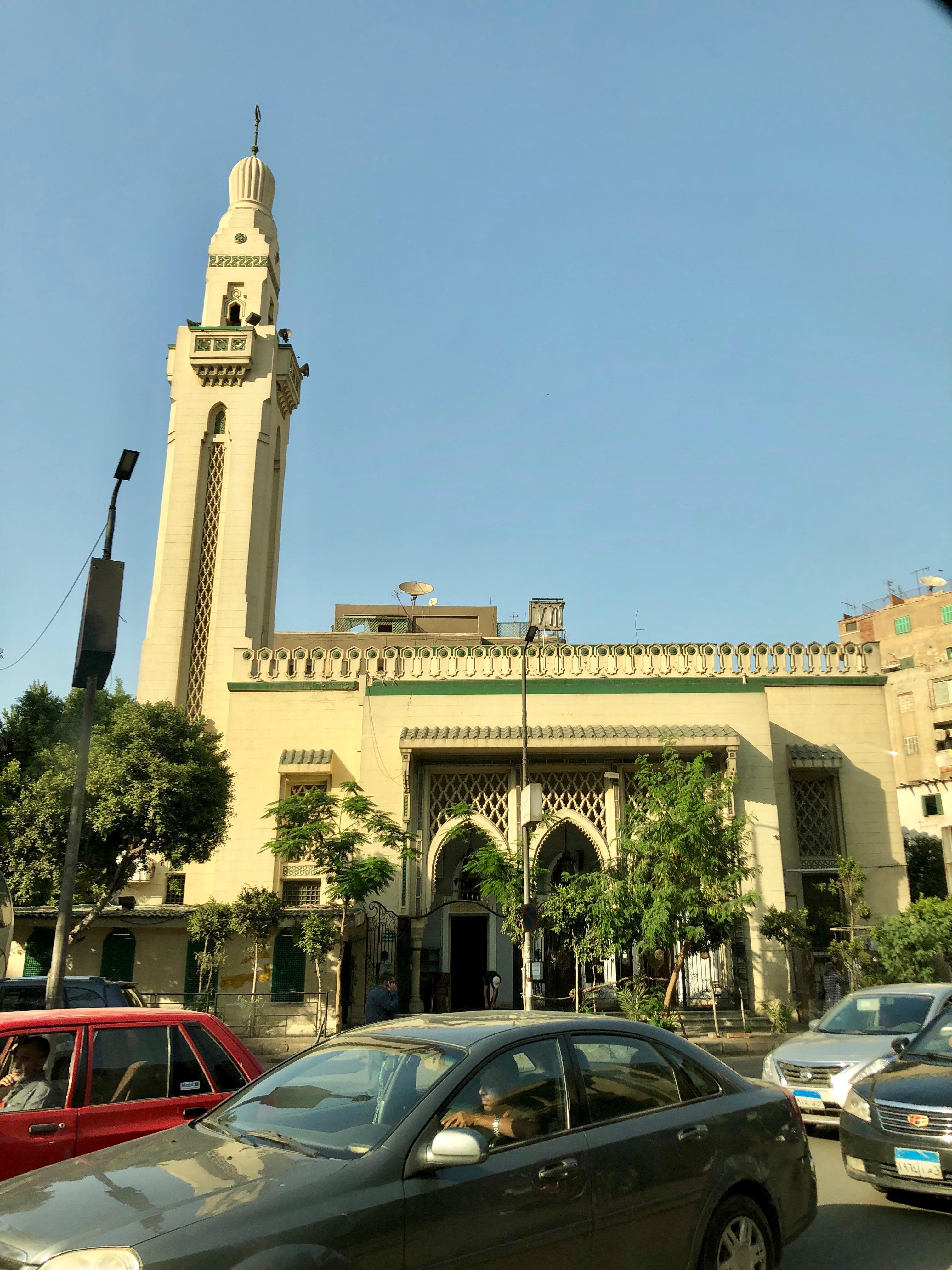
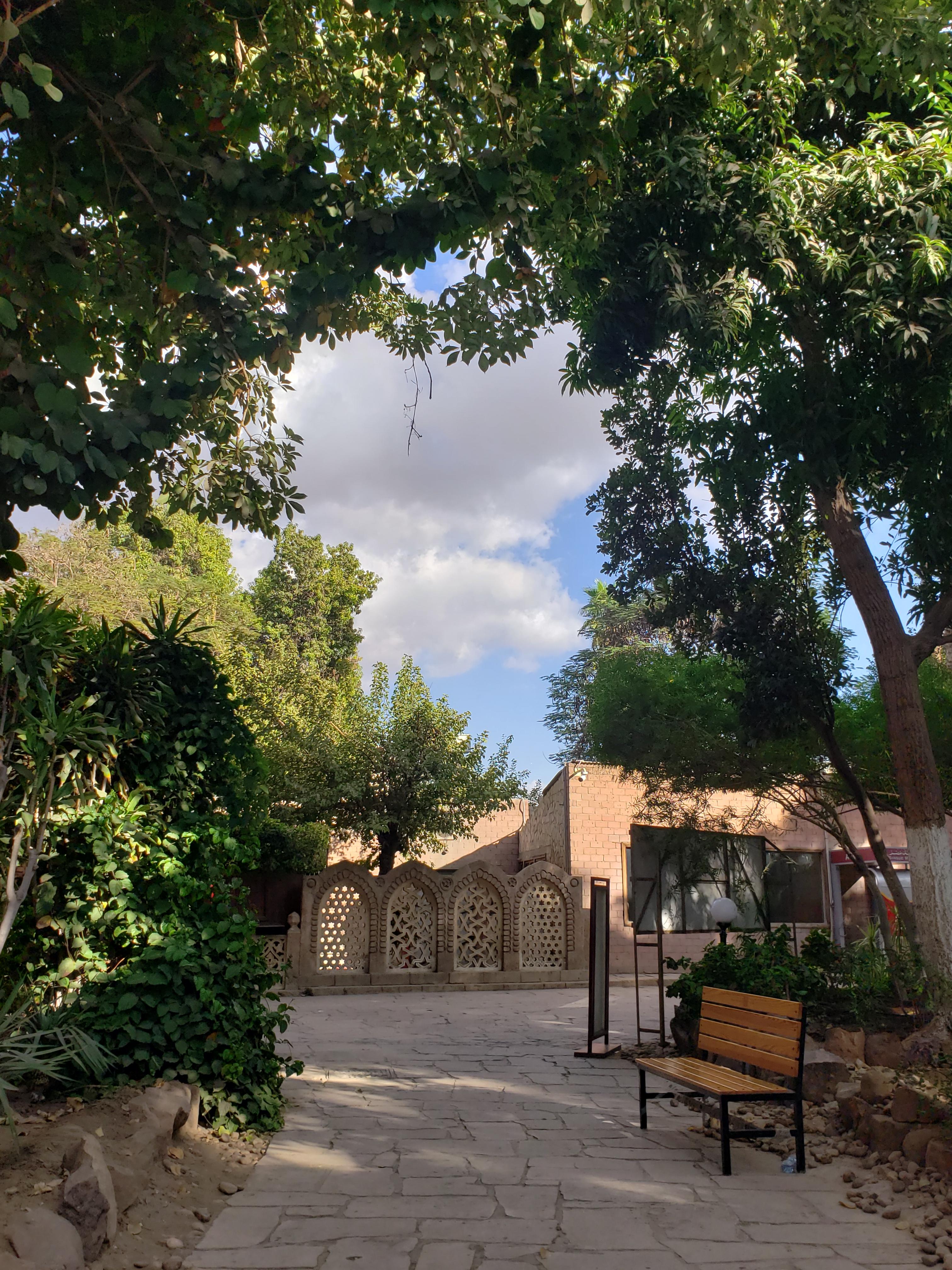
Among the gardens of the Manial Palace Museum in Cairo, the air grows quiet around the Mohamed Ali Palace Mosque. Prince Mohammed Ali Tewfik raised the palace between the end of the nineteenth century and the start of the twentieth. He wanted its mosque to express faith and refinement together, and the building answers him.
The façade rewards a slow look: delicate carvings and Arabic calligraphy cover it, and a pointed arch frames the entrance. Reliefs and inscribed panels speak of the craftsmen who worked here and signed their work with pride. Inside, a rectangular hall glows with ceramic tiles beneath a ceiling dense with colour and pattern. On the western side stand the mihrab and the wooden minbar, with a seat for the Qur'an reciter beside them. Learning held its place here next to prayer. Ottoman, Persian and Moroccan influences meet in the design, so the hall feels intimate and grand at the same time.
The mosque's foundations go back to the early 1930s, when Egypt's royal family still shaped Cairo's cultural life. From a few steps back, geometry and light seem to lift the whole structure upward. A path then leads on through the palace gardens, out of the sacred quiet and back among the trees.
- City
- Cairo
- Content updated
Take this page with you
The myTuur app is free, and once you are standing at a spot its story starts by itself.


Spots like this one are the stops myTuur strings into tours through Cairo. In the app, each story begins where you stand: walk up to a spot and it starts, read it on screen or listen as you go, then follow the route to the next one.
What is myTuur?
myTuur is a free city-guide app. Its tours are built from spots, and each spot carries a story that starts when you get there, to read or to listen to as you like.