Ruine der Franziskaner-Klosterkirche
Ruine der Franziskaner-Klosterkirche stands in Berlin as a preserved architectural ruin from a Franciscan monastery church founded in 1250. Its surviving walls reveal the change from an early fieldstone building to a three-aisled brick basilica. The original church measured 52 metres long and 16 metres wide. The brick basilica was completed during the first half of the fourteenth century, with a four-bay nave and a single-aisled choir ending in a polygonal shape.
The church served as a burial place for Louis II, Elector of Brandenburg, in 1365. Around 1500, builders renovated the structure before the Reformation closed the monastery in 1539. Berlin’s first printing press and the Evangelisches Gymnasium zum Grauen Kloster later occupied the site, linking it with figures including Karl Friedrich Schinkel and Otto von Bismarck. Two towers were added on the western side in 1842, while further nineteenth-century alterations reshaped the building.
Bombing destroyed the church on 3 April 1945, and workers cleared the debris in 1950. The remaining walls were secured between 1959 and 1963. Wheelchair access makes the site easier to explore, while exhibitions, plays and concerts bring activity into the historic setting. The contrast between weathered brickwork and contemporary performances gives this Berlin ruin its most memorable detail.
- City
- Berlin
- Content updated
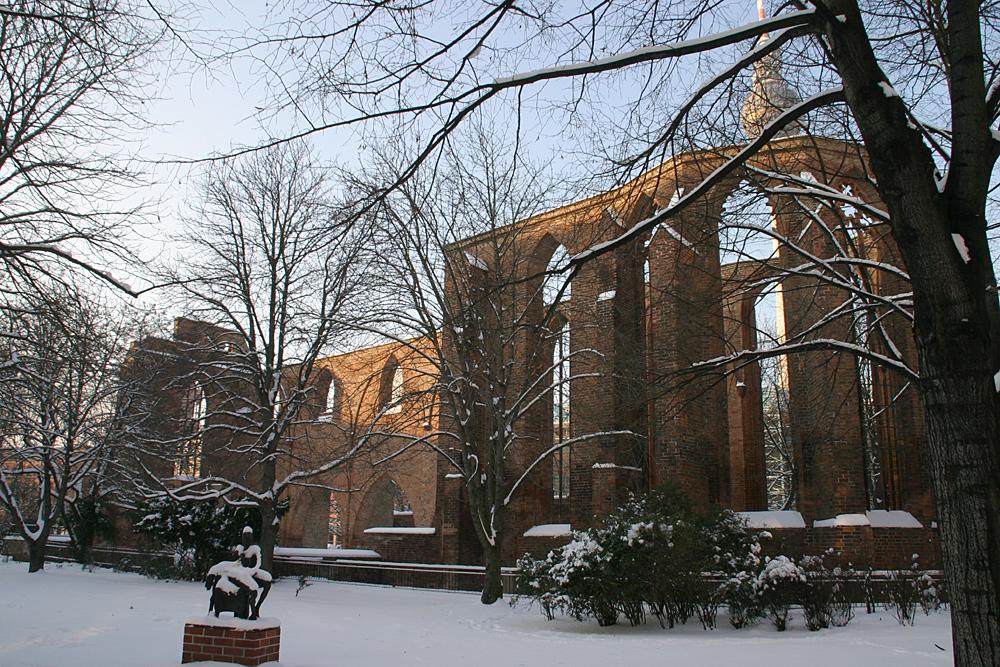
Image: No machine-readable author provided. Elya assumed (based on copyright claims).CC BY-SA 3.0 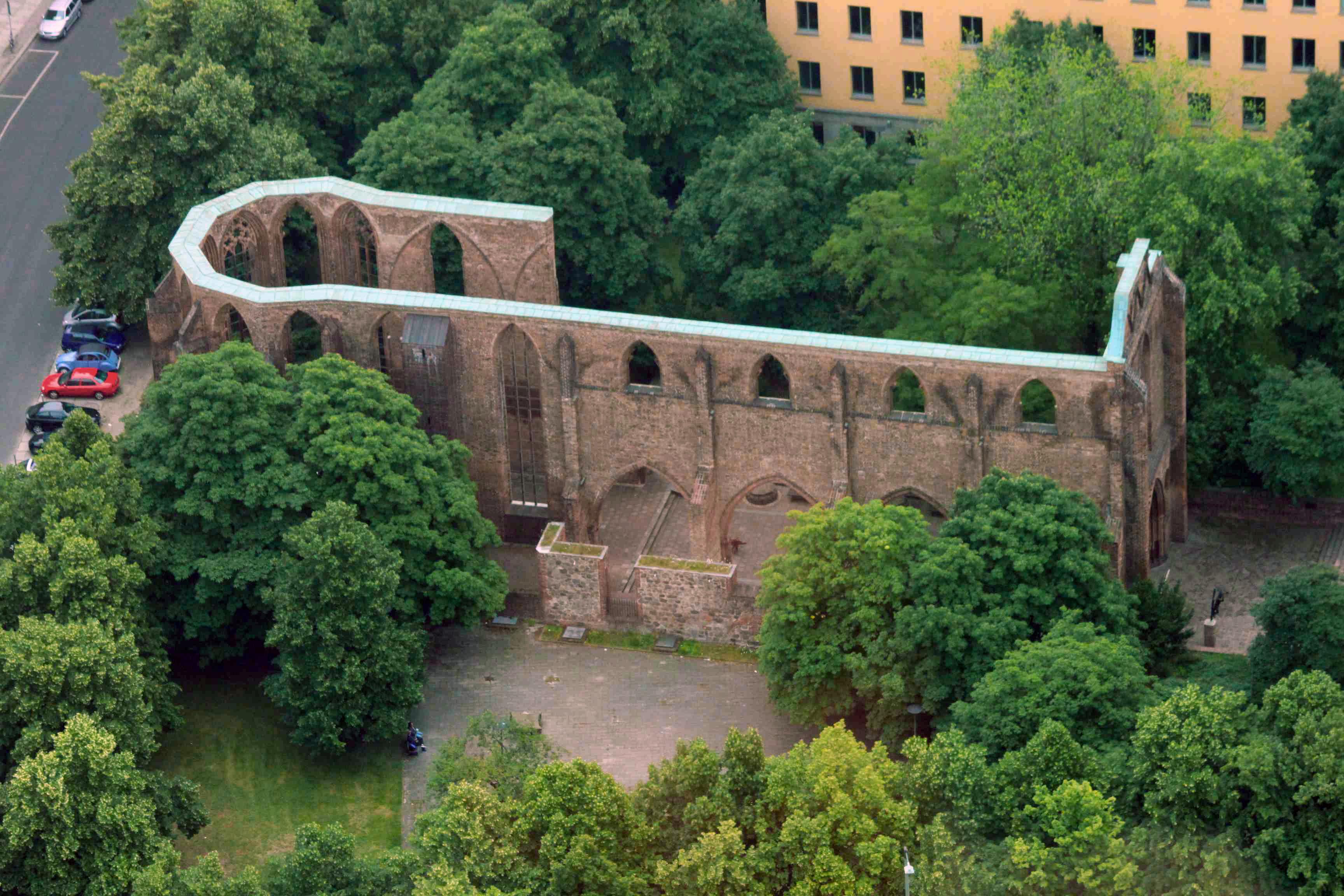
Image: BenreisCC BY-SA 3.0 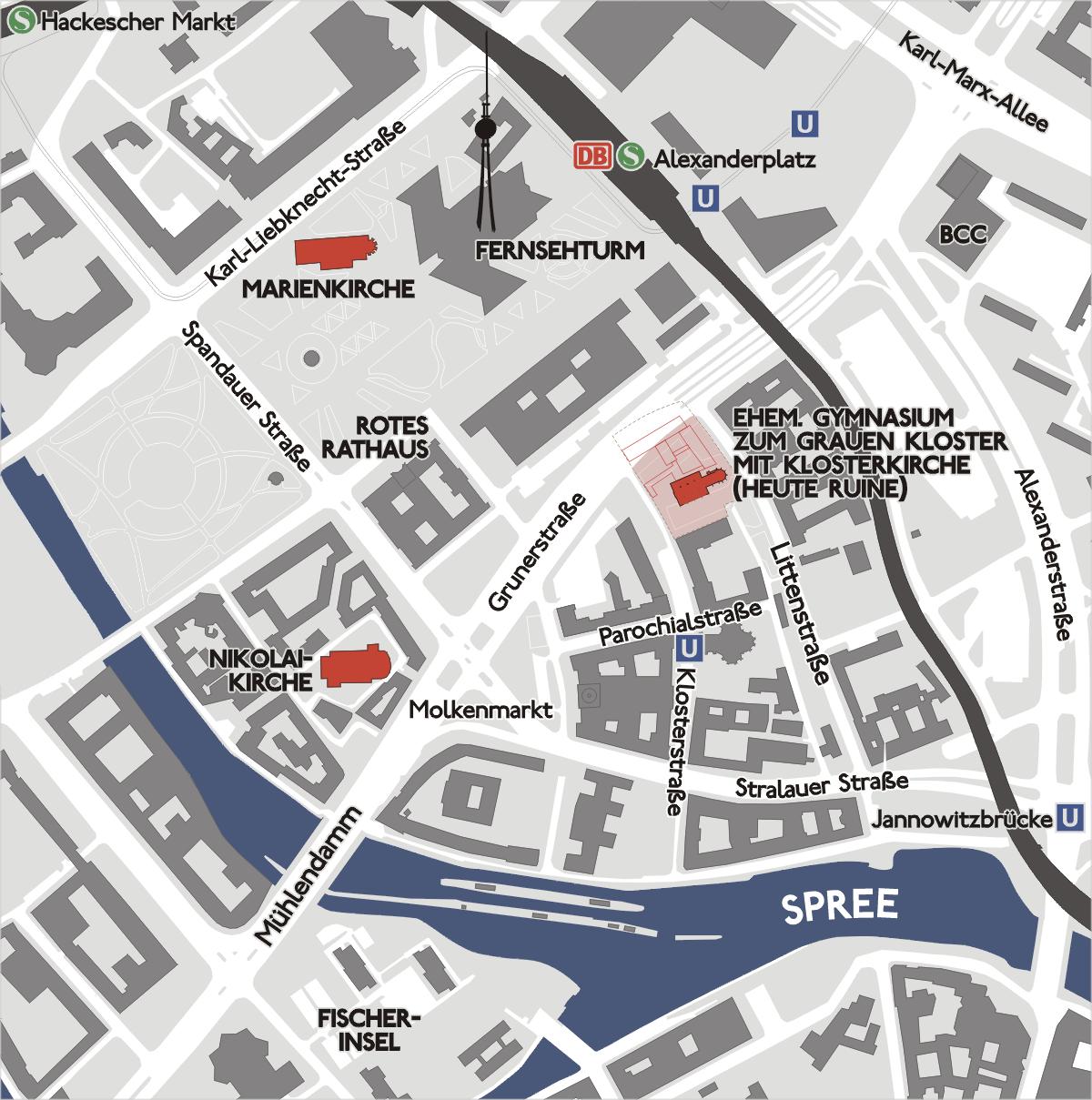
Image: No machine-readable author provided. Sansculotte assumed (based on copyright claims).CC BY-SA 2.5 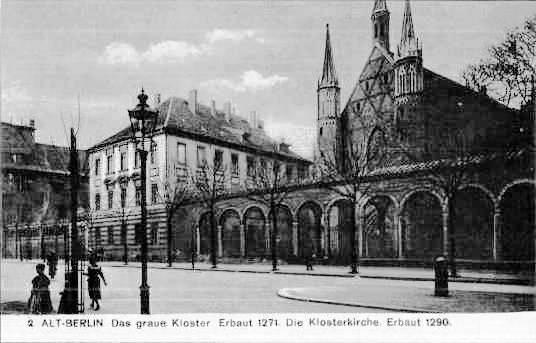
Image: Post- und Photo-Verlag, Inh. Ludwig Walter, Scan durch KammervirtuosPublic domain 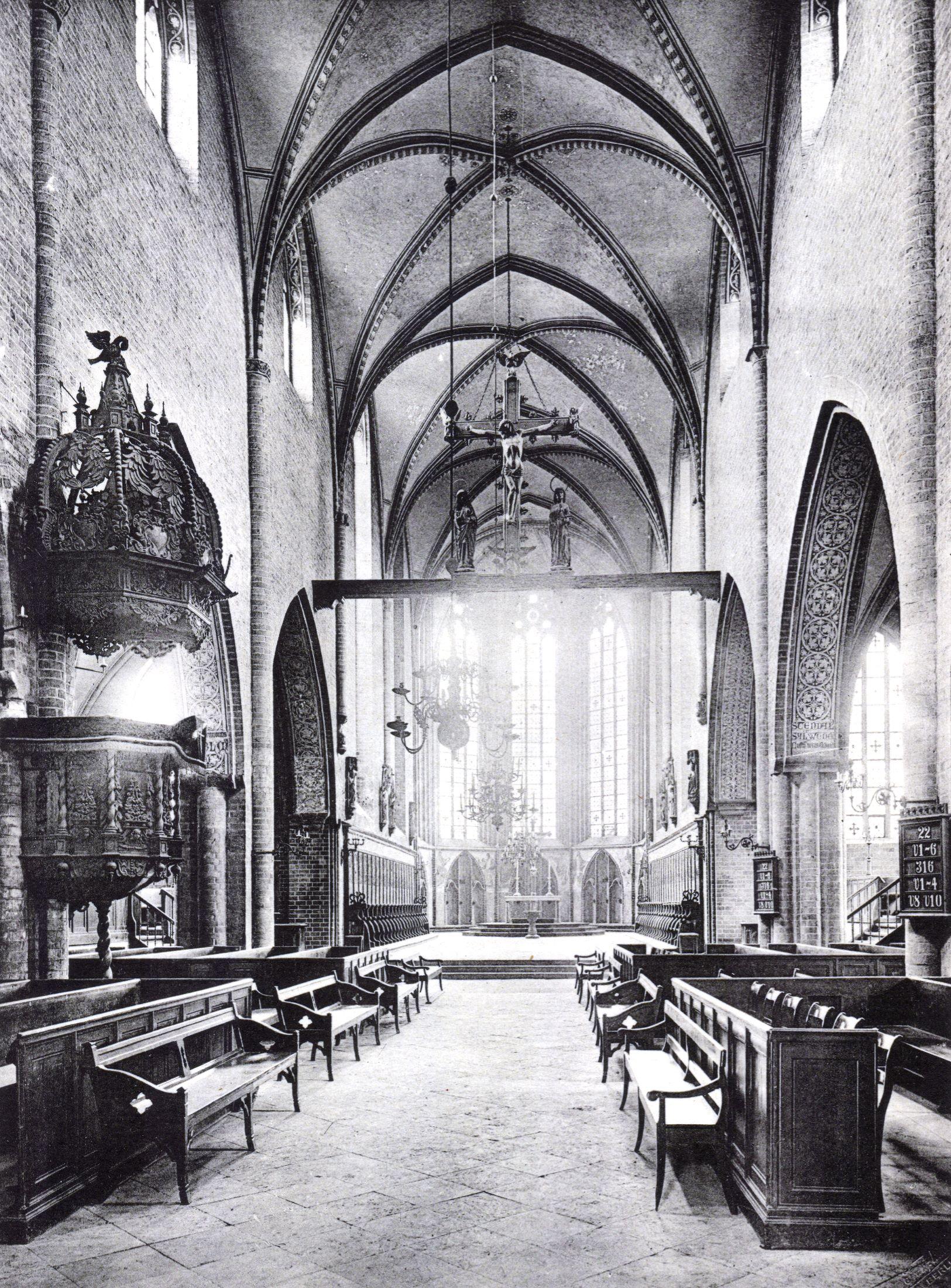
Image: Unknown authorUnknown authorPublic domain
Take this page with you
The myTuur app is free, and once you are standing at a spot its story starts by itself.


Spots like this one are the stops myTuur strings into tours through Berlin. In the app, each story begins where you stand: walk up to a spot and it starts, read it on screen or listen as you go, then follow the route to the next one.
What is myTuur?
myTuur is a free city-guide app. Its tours are built from spots, and each spot carries a story that starts when you get there, to read or to listen to as you like.