Berliner Zoll- und Akzisemauer
The Berliner Zoll- und Akzisemauer marked Berlin's boundary, surrounding the city, its suburbs, and rural areas east and south. It collected taxes on goods entering and leaving Berlin. Unlike a defensive wall, this barrier organised customs control along roads leading towards neighbouring towns. Its gates carried those towns' names.
Frederick William I of Prussia ordered construction between 1734 and 1737, giving Berlin a revenue system. Wooden stockades formed the first barrier around Berlin. Stone walls replaced them between 1786 and 1802, rising four metres and reflecting the city's growth. The Spree had customs gates called Oberbaum and Unterbaum.
As Berlin expanded, the wall obstructed development and disappeared between 1867 and 1870, apart from the Brandenburg Gate. A small fragment survives at Hannoversche Straße 9. The Brandenburg Gate, designed by Carl Gotthard Langhans, preserves the wall's neoclassical architectural legacy. Heavy tree trunks once blocked the Spree to deter smugglers.
- City
- Berlin
- Content updated
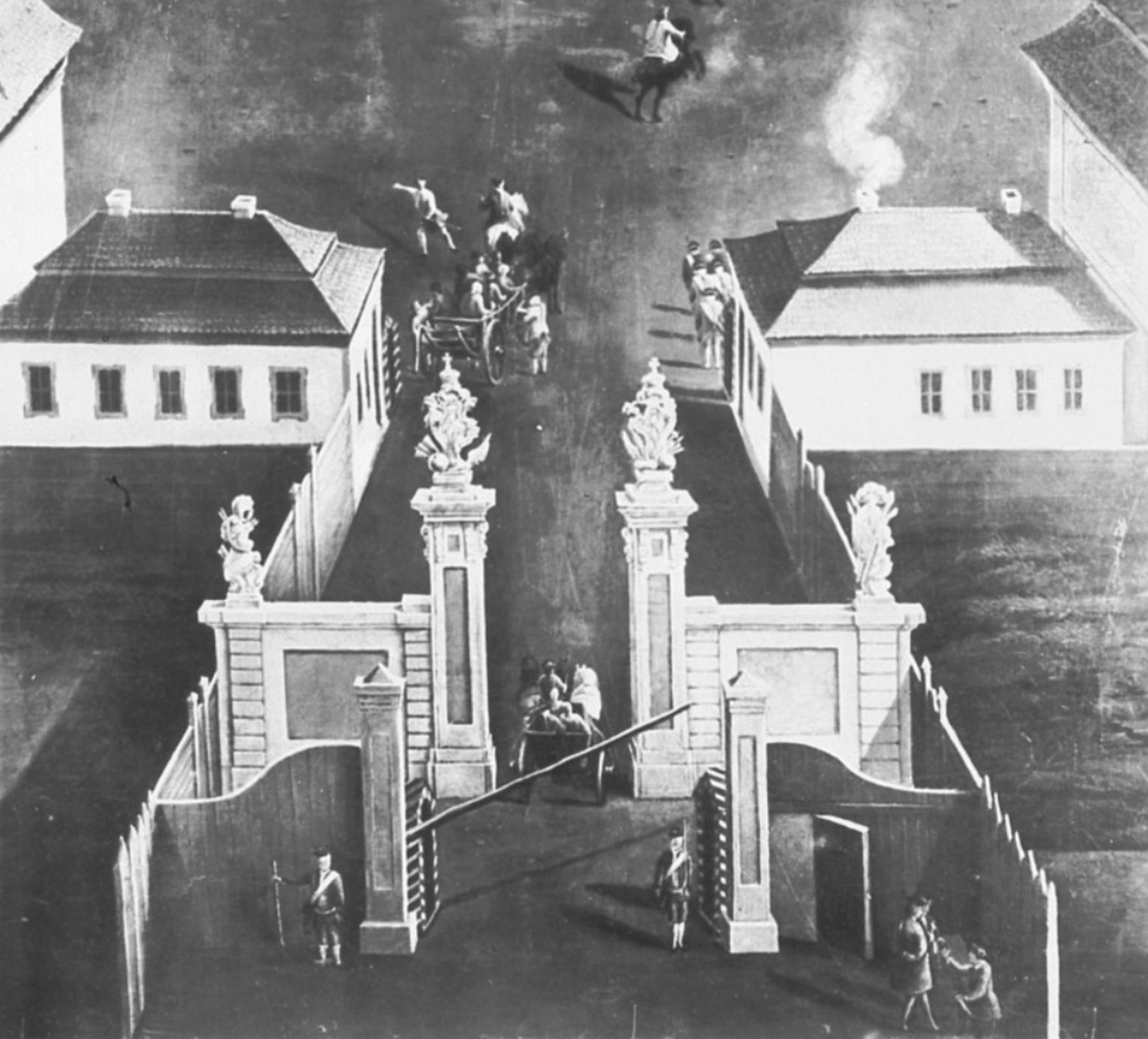
Image: unbekannter Künstler.Public domain 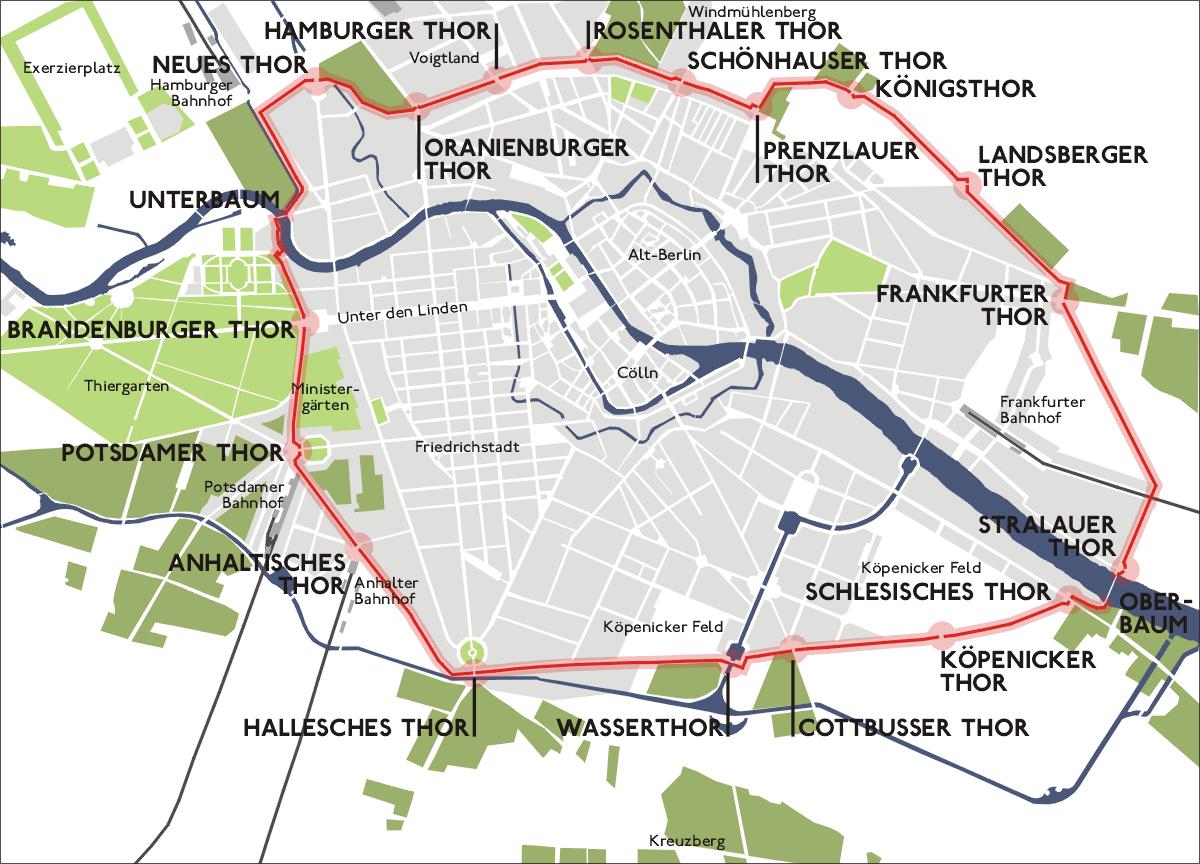
Image: Sansculotte (talk · contribs)CC BY-SA 2.5 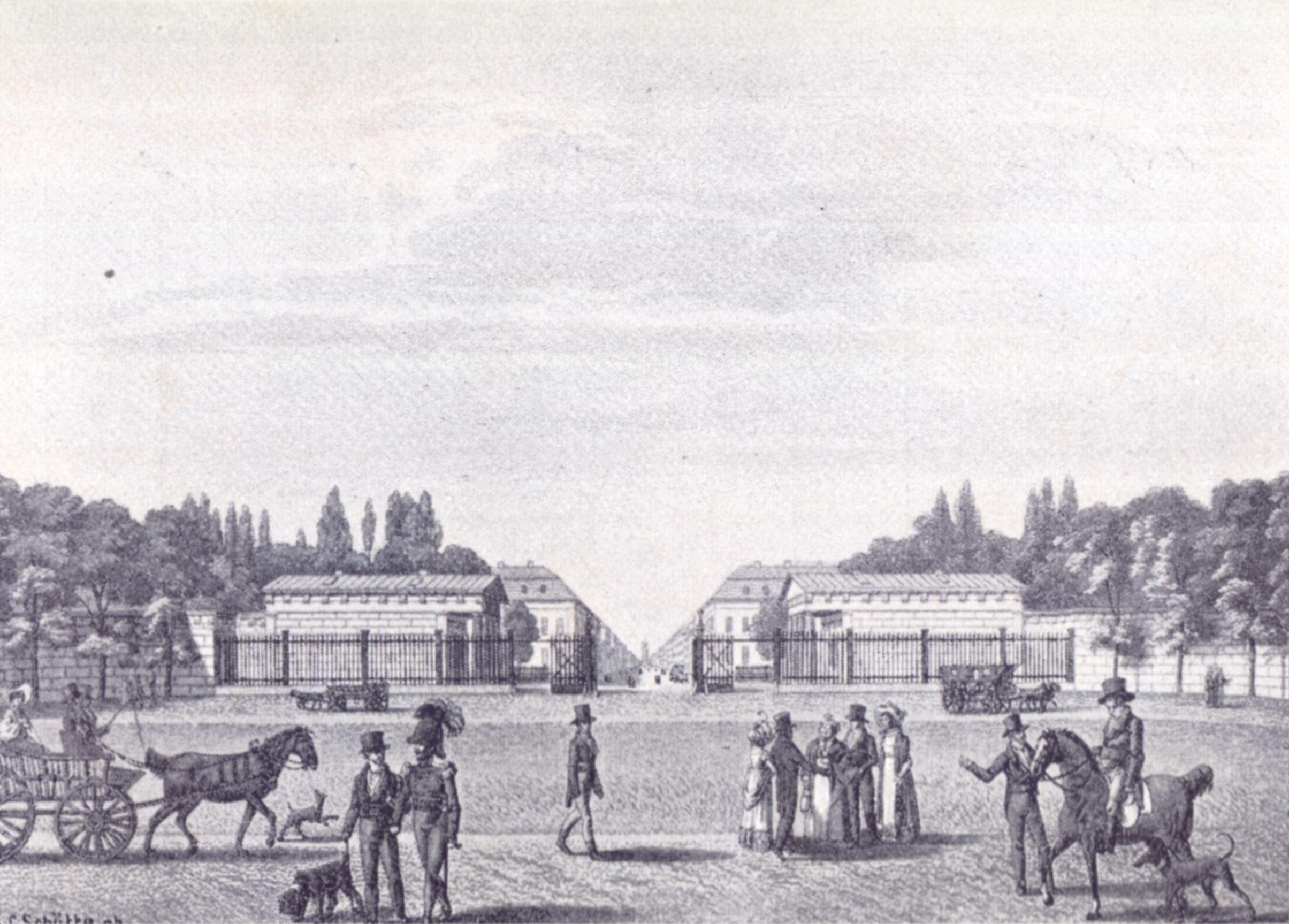
Image: Possibly C. SchüttPublic domain 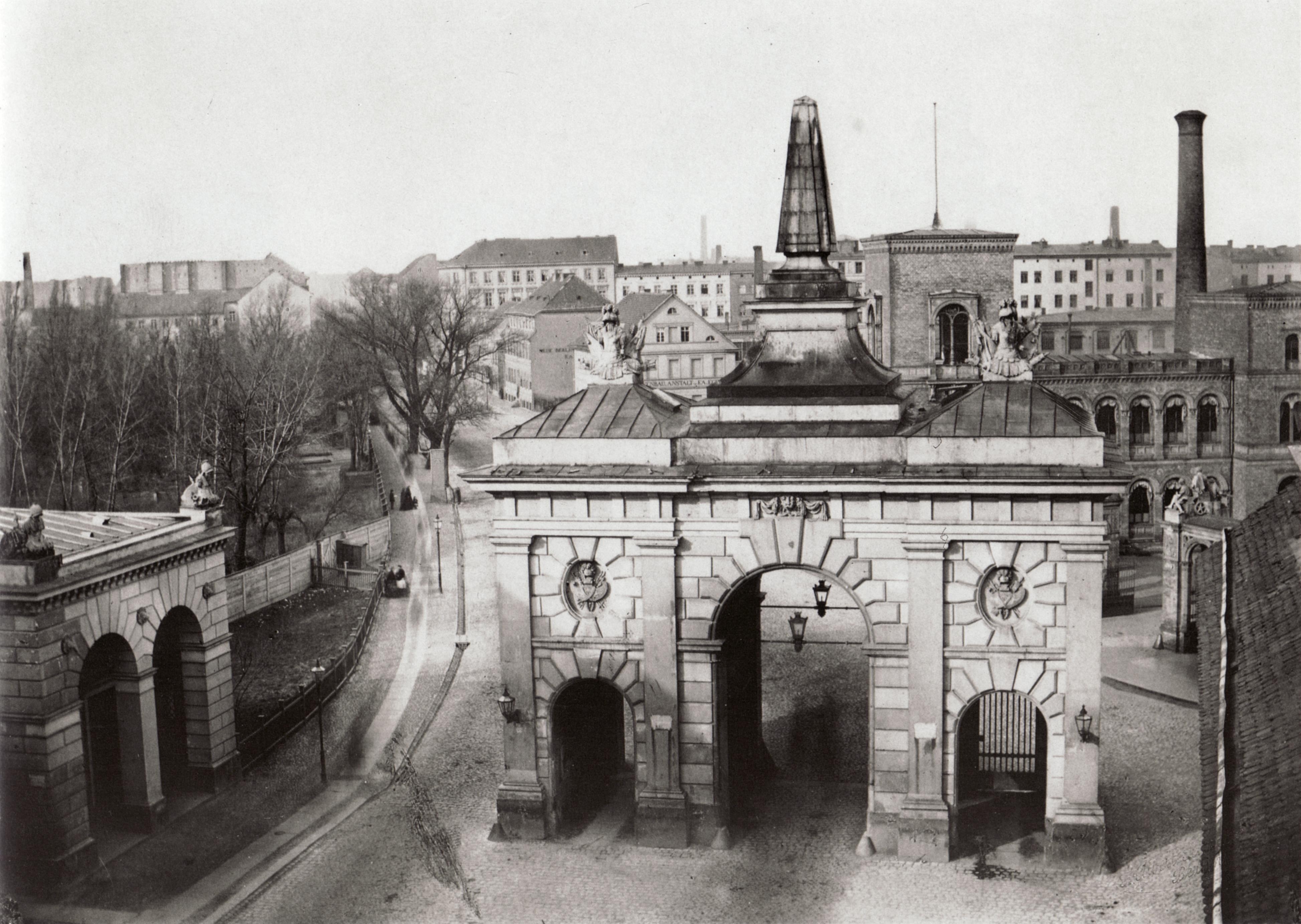
Image: Friedrich Albert Schwartz (1836-1906)Public domain 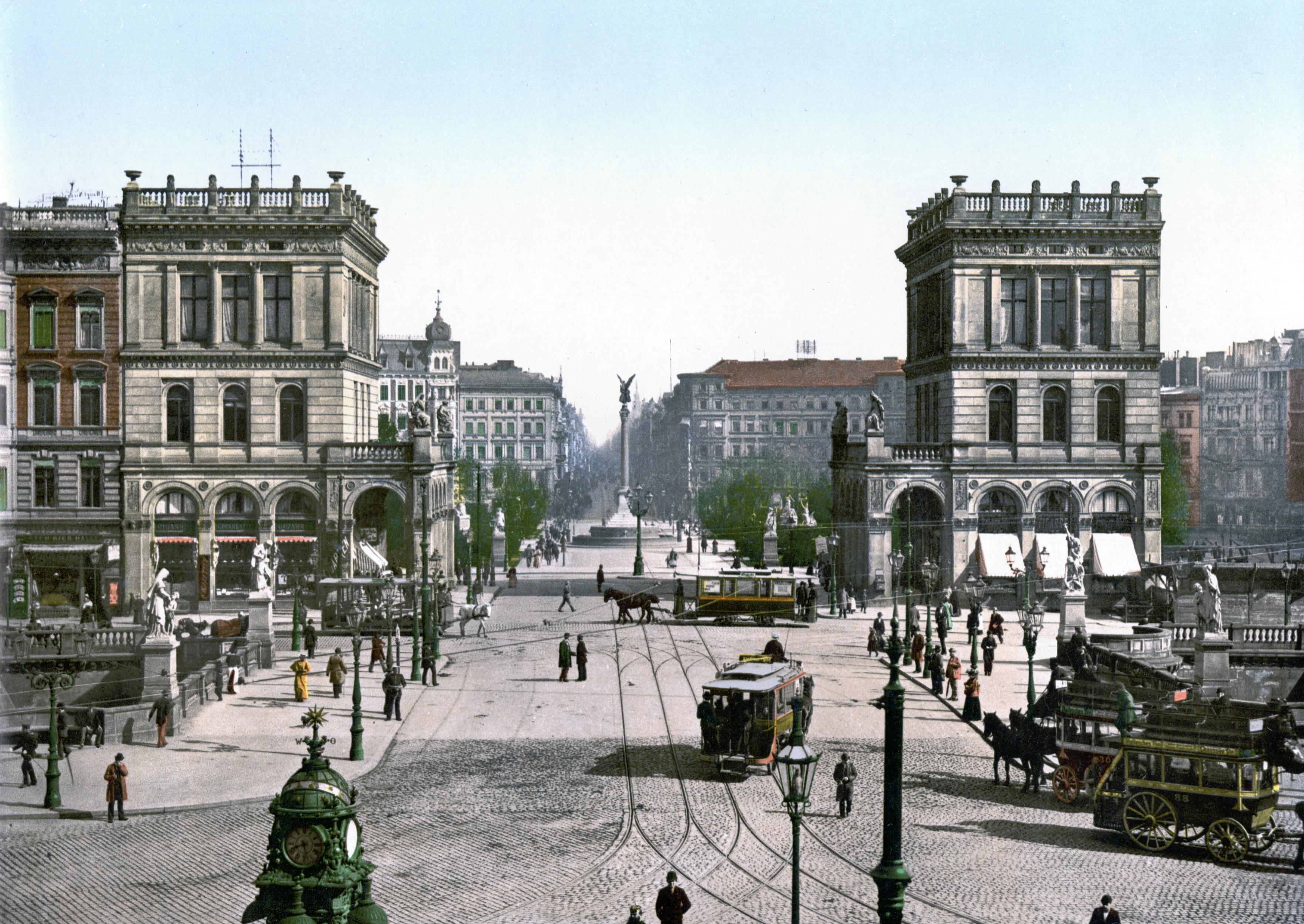
Image: Unknown authorUnknown authorPublic domain
Take this page with you
The myTuur app is free, and once you are standing at a spot its story starts by itself.


Spots like this one are the stops myTuur strings into tours through Berlin. In the app, each story begins where you stand: walk up to a spot and it starts, read it on screen or listen as you go, then follow the route to the next one.
What is myTuur?
myTuur is a free city-guide app. Its tours are built from spots, and each spot carries a story that starts when you get there, to read or to listen to as you like.