Compil
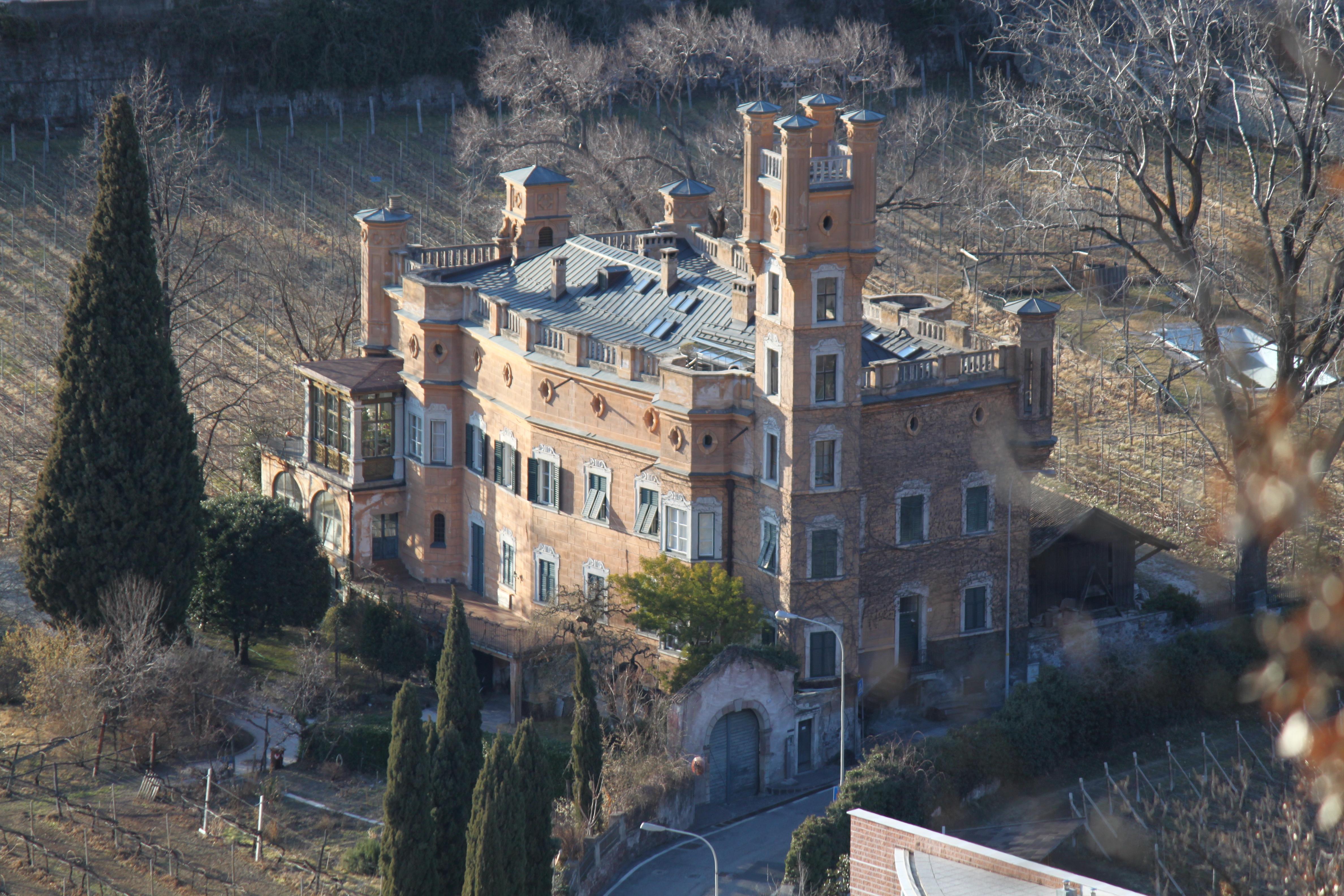
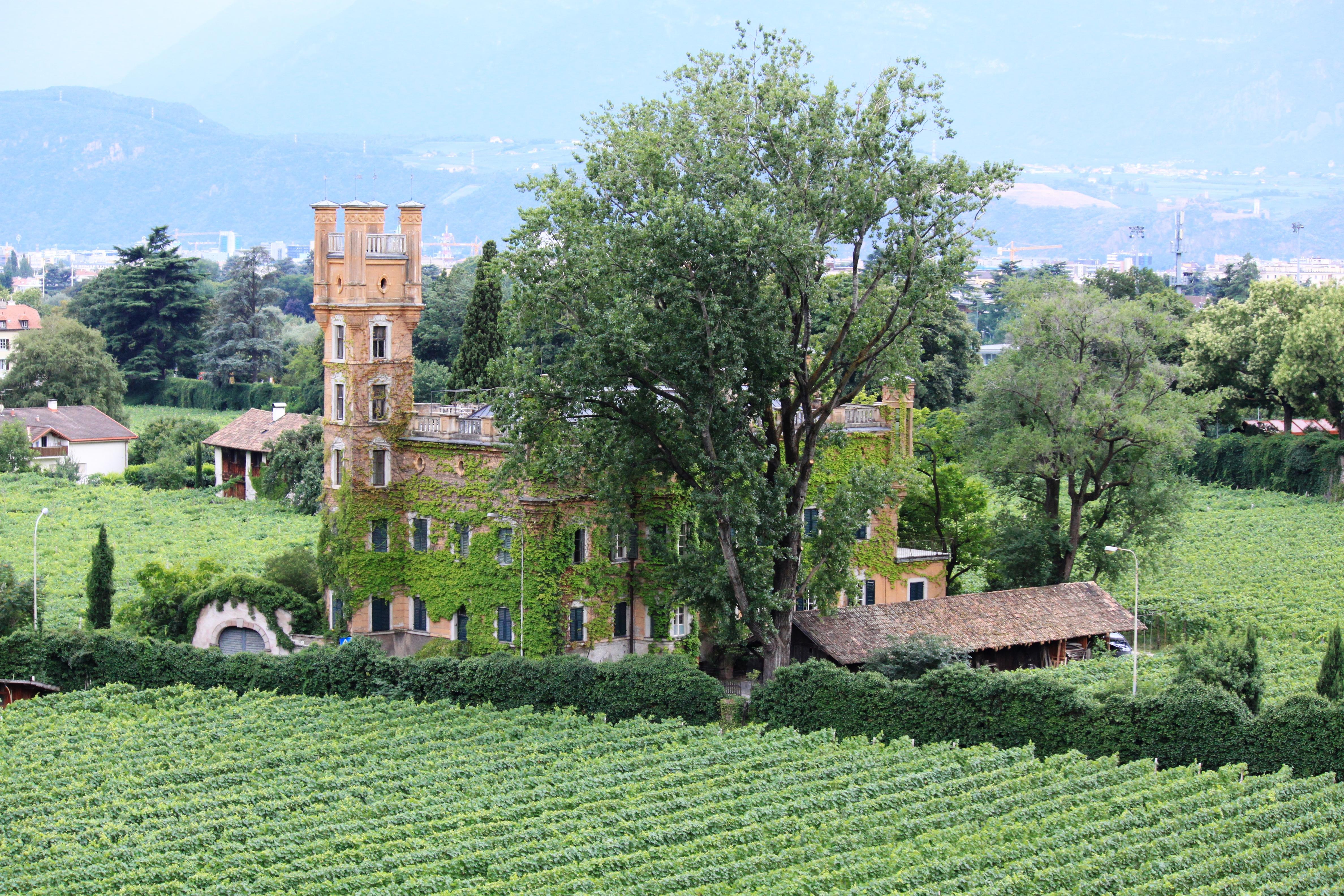
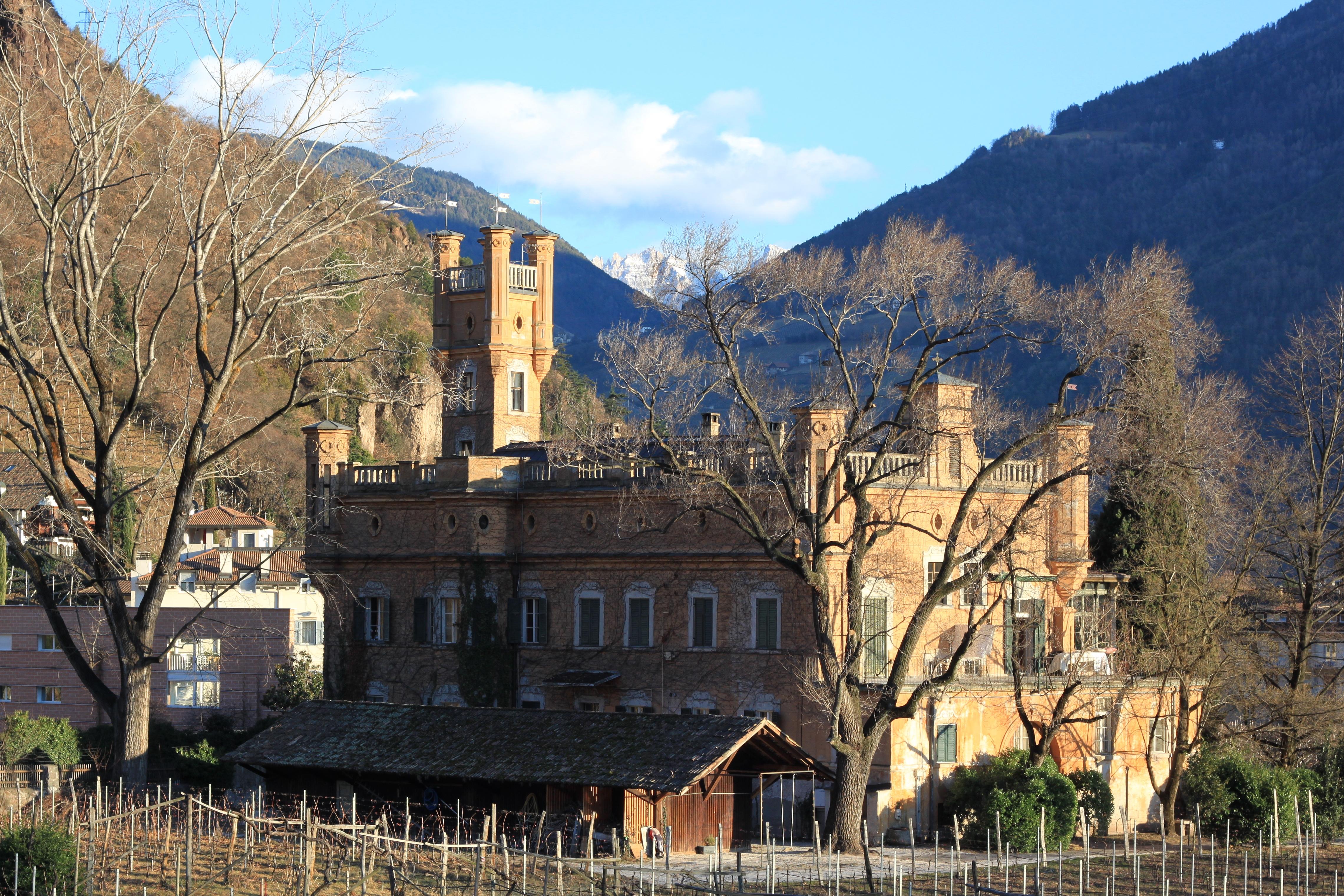
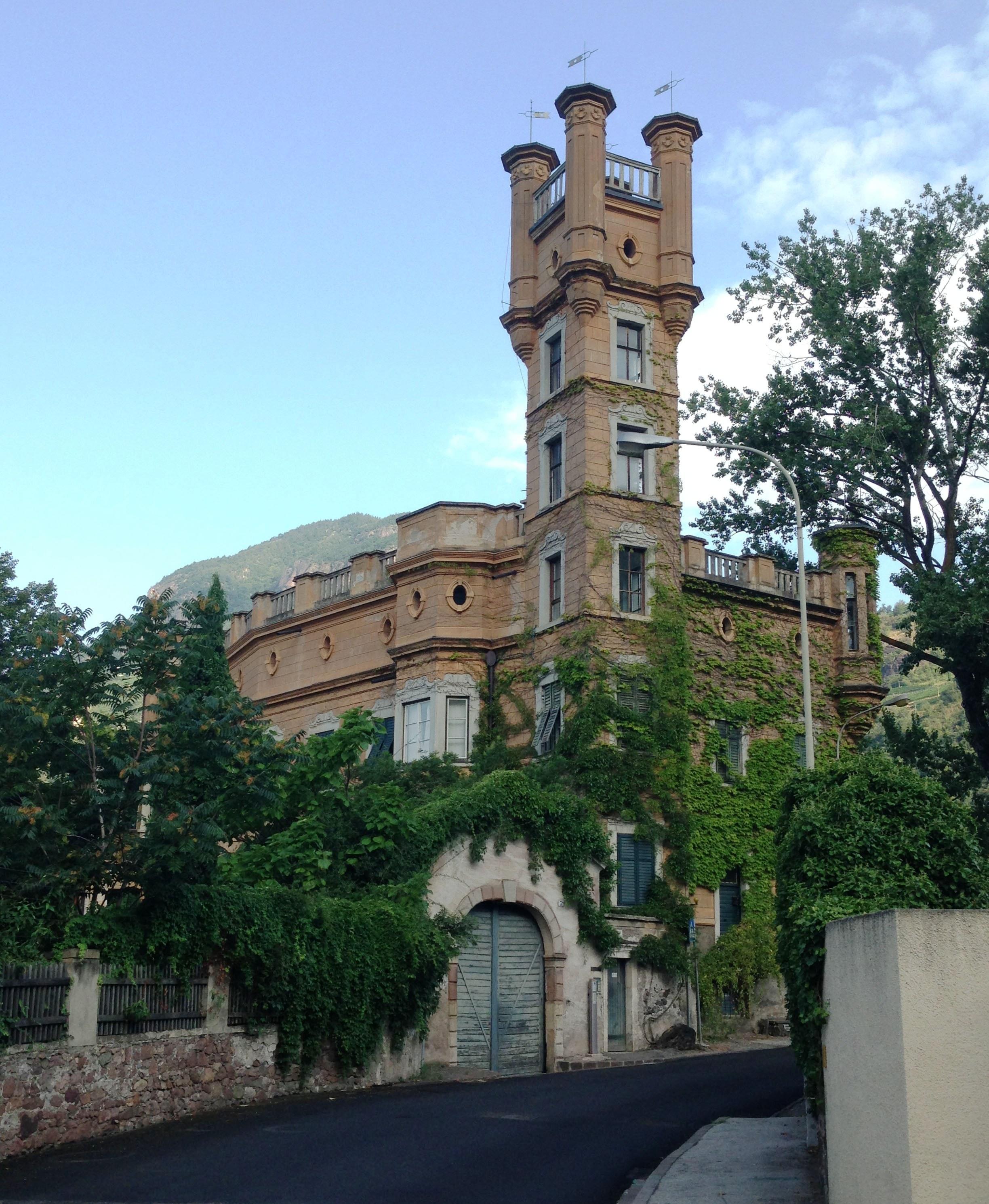
V talianskom Bolzane stojí šľachtická rezidencia Ansitz Compil, ktorej korene siahajú do trinásteho storočia. Prvýkrát sa spomína pod menom Winklerhof, neskôr sa udomácnili aj varianty Compill a Klebelsberg. Už v štrnástom storočí tu má meno rodina Reifer von Compil, od konca pätnásteho storočia až do roku 1761 potom Brandisovci.
K najzaujímavejším častiam areálu patrí kapela Siebenschläfer, vysvätená v roku 1457. Kapelu zdobí neskorobarokový oltárny obraz, ktorý predstavuje sedem spiacech v jaskyni a vytvoril ho Anton Cuseth na konci osemnásteho storočia. Súčasnú podobu si rezidencia dala pri prestavbe okolo roku 1870, keď ju prebudovali v anglickej neogotike.
V devätnástom storočí sídlo niekoľkokrát zmenilo majiteľov, až ho v roku 1891 rozdelili medzi sedem dcér rodiny von Pretz, čo nakoniec viedlo k rodine Klebelsberg. Stavba teda nesie stopy stredovekého pôvodu, kapely z pätnásteho storočia aj osemnásteho storočia, a niekoľko šľachtických rodín sa tu vystriedalo. Do tejto histórie sa zapísal aj ekonomista Hermann Roesler, ktorý tu žil až do svojej smrti v roku 1893. Let me check my draft:
P1: "V talianskom Bolzane stojí šľachtická rezidencia Ansitz Compil, ktorej korene siahajú do trinásteho storočia." — 14 words. Wait, "V talianskom Bolzane" — is that correct Slovak? "V talianskom Bolzane" or "v talianskom Bolzane"? Slovak: "v talianskom Bolzane" (locative of Bolzano → Bolzane). Yes. Good.
"Prvýkrát sa spomína pod menom Winklerhof, neskôr sa udomácnili aj varianty Compill a Klebelsberg." — 13 words. Hmm, "udomácnili" — the names became established. Fine.
"Už v štrnástom storočí tu má meno rodina Reifer von Compil, od konca pätnásteho storočia až do roku 1761 potom Brandisovci." — "má meno" is odd. "V štrnástom storočí tu sídlila rodina Reifer von Compil, od konca pätnásteho storočia až do roku 1761 potom Brandisovci." — 18 words. "sídlila" (resided) — the data says "owned by" — "vlastnila" is safer: "V štrnástom storočí vlastnila rodina Reifer von Compil, od konca pätnásteho storočia až do roku 1761 Brandisovci." — 16 words. "patrila" is fine: "v štrnástom storočí patrila rodine Reifer von Compil, od konca pätnásteho storočia až do roku 1761 rodine Brandis." Hmm "rodine" twice. Let me: "V štrnástom storočí patrila Reiferovcom von Compil, od konca pätnásteho storočia až do roku 1761 Brandisovcom." — "Reiferovcom" is odd. Use: "V štrnástom storočí ju vlastnila rodina Reifer von Compil, od konca pätnásteho storočia až do roku 1761 Brandisovci." — mixing "rodina" and "Brandisovci" is fine. Actually in Slovak, "rodina" is feminine singular, so "vlastnila rodina" agrees. Good.
"V štrnástom storočí ju vlastnila rodina Reifer von Compil, od konca pätnásteho storočia až do roku 1761 Brandisovci." — 16 words. Good.
P2: "Najzaujímavejšou častou areálu je kapela Siebenschläfer, vysvätená v roku 1457." — hmm, "vysvätená" is passive participle. The rule says active voice, present tense. Passive participle with "je" is a passive-ish construction. In Slovak, "je vysvätená" is a stative, acceptable. But to be safe, active: "Kapela Siebenschläfer, vysvätená v roku 1457, patrí k najstarším častiam sídla." Hmm. Or: "Na mieste stojí aj kapela Siebenschläfer, ktorú vysvätili v roku 1457." (11 words) — active "vysvätili" (they consecrated). Good.
"V jej interiéri visí neskorobarokový oltárny obraz, ktorý na konci osemnásteho storočia vytvoril Anton Cuseth." (14 words) — "visí" (hangs) — is that claimed? The data says the chapel "is home to" an altarpiece. "visí" adds a detail (hanging). Safer: "V kapelle je neskorobarokový oltárny obraz..." "je" is fine. Or "Kapela ukrýva neskorobarokový oltárny obraz..." — "ukrýva" (hides/holds) is a bit figurative but acceptable. Or "V roku 1457 bola vysvätená kapela Siebenschläfer, v ktorej dnes stojí neskorobarokový oltár..." — "stojí" adds. Let me use: "Vo vnútri sa nachádza neskorobarokový oltárny obraz, ktorý na konci osemnásteho storočia namaľoval Anton Cuseth." — "namaľoval" (painted) — data says "created by" (created by). "vytvoril" is safer. Count: "Vo vnútri sa nachádza neskorobarokový oltárny obraz, ktorý v konci osemnásteho storočia vytvoril Anton Cuseth." (14 words).
"Zobrazuje sedem spiacech v jaskyni." (5 words) — too short, needs 8 words minimum. "Zobrazuje sedem spiacech, ktorí čakajú v jaskyni." Hmm, "who wait in a cave" — the data says "depicting the seven sleepers in a cave". "Zobrazuje sedem spiacech v jaskyni." — 5 words. Need 8+. "Na obrazu vidno sedem spiacech v jaskyni." (7 words) — still short. "Oltárny obraz zobrazuje sedem spiacech v jaskyni." (7 words) — hmm. Combine: "Obraz zobrazuje sedem spiacech v jaskyni, podľa ktorej kapela dostala meno." — wait, is that claimed? The chapel is called Siebenschläferkapelle and depicts the seven sleepers. The data doesn't say the name comes from the depiction, but it's strongly implied... Actually claiming causality ("podľa ktorej dostala meno") invents a connection not stated. Avoid. "Zobrazuje starozákonných/spiacich..." Let me do: "Predstavuje sedem spiacech vo februári..." no. Simply: "Obraz predstavuje sedem spiacech v jaskyni." Then add: "Téma odkazuje na legendu o siedmich spiacich..." — inventing that it refers to a legend? Seven Sleepers of Ephesus is a known legend, and "sedem spiacech" in Slovak immediately evokes it. But strictly, data says "the seven sleepers". Saying "legenda o siedmich spiacich" adds a claim. The projection carries "depicting the seven sleepers" — so "sedem spiacech" is carried. I can write "Zobrazuje sedem spiacech v jaskyni." as part of a longer sentence: "Obraz zobrazuje sedem spiacech v jaskyni, scenár, ktorý kapelu pripravil o anonymitu..." no, invented.
Alternative structure for P2: 1. "Najzaujímavejšou častou areálu je kapela Siebenschläfer, vysvätená už v roku 1457." (11 words) 2. "Vysvitne z jej vybavenia neskorobarokový oltárny obraz..." awkward. Let me try: "Kapelu zdobí neskorobarokový oltárny obraz od Antona Cusetha z konca osemnásteho storočia, ktorý predstavuje sedem spiacech v jaskyni." (18 words) — one sentence covering altarpiece, artist, date, subject. Active ("zdobí"). Good. 3. Something about the remodel: "O súčasnú podobu sa zaslúžila prestavba okolo roku 1870, keď objekt premenili na anglickú neogotiku." (14 words). "premenili" active. Good. Maybe add what it means visually? Data says "giving it the appearance we see today". So: "vďaka čomu má budova dodnes svoju súčasnú tvár" — I can fold that in: "Objekt prešiel výraznou prestavbou okolo roku 1870, keď mu nadali neogotickú, anglicky ladenú podobu, v ktorej ho návštevníci vídajú aj dnes." Hmm long. Simpler: "Okolo roku 1870 ho prebudovali v anglickom neogotickom štýle a takú podobu má dodnes." (13 words).
P3: 1. Nineteenth century handovers, von Pretz division 1891 among seven daughters → Klebelsberg ownership today. "Nináste storočie prinieslo ďalšie striedanie majiteľov: roku 1891 rozdelili sídlo medzi sedem dcér rodiny von Pretz, čím sa prihlásila k nemu rodina Klebelsberg..." — wait, the data says the division led to current ownership by the Klebelsberg family. It doesn't explain how exactly (did they buy it? did one daughter marry into Klebelsberg?). The data just states the division happened and it led to Klebelsberg ownership. So I should not invent causation beyond "čo nakoniec viedlo k tomu, že patrí rodine Klebelsberg". Actually careful: if divided among seven daughters, then each got a share; the data says this led to current Klebelsberg ownership. I'll write neutrally.
Draft P3: "V devätnástom storočí prechádzalo sídlo z ruky do ruky, až ho v roku 1891 rozdelili medzi sedem dcér rodiny von Pretz." (19 words) "Dnes tu vládne meno Klebelsberg..." hmm "vládne" is strong. "Svoju súčasnú podobu má aj po stránke majiteľov: sídlom dnes hospodári rodina Klebelsberg." Awkward. Simpler: "Až táto delem... " no. Let me restructure: I must not begin with "By". Let me try once more:
"V devätnástom storočí sídlo niekoľkokrát zmenilo majiteľov, až ho v roku 1891 rozdelili medzi sedem dcér rodiny von Pretz, čo nakoniec viedlo k rodine Klebelsberg." Hmm, "viedlo k rodine" is off. "čo nakoniec viedlo k tomu, že ho dnes vlastní rodina Klebelsberg." (13 words) — "čo nakoniec viedlo k tomu, že ho dnes vlastní rodina Klebelsberg." (13 words)
Combine: "V devätnástom storočí sídlo niekoľkokrát zmenilo majiteľov, až ho v roku 1891 rozdelili medzi sedem dcér rodiny von Pretz, čo nakoniec viedlo k súčasnému majiteľovi, rodine Klebelsberg." (25 words) — too long. Split: "V devätnástom storočí sídlo niekoľkokrát zmenilo majiteľov, až ho v roku 1891 rozdelili medzi sedem dcér rodiny von Pretz." (19 words) "Dnes tu vládne meno Klebelsberg..." hmm "vládne" is strong. "Svoju súčasnú podobu má aj po stránke majiteľov: sídlom dnes hospodári rodina Klebelsberg." Awkward. Simpler: "Až táto delimitácia dala..." no. Let me be direct: "V súčasnosti patrí rodine Klebelsberg." (5 words) — too short. "Dnes patrí rodine Klebelsberg, ktorá sídlo udržuje v jeho historickej podobe." — "udržuje v historickej podobe" is invented. Just: "Dnes patrí rodine Klebelsberg, ktorej meno nesie aj jeden z jeho variantov." Hmm — wait, the data says the residence is also known as Klebelsberg, which implies the family name. The data says "also known by names like Compill or Klebelsberg" and "current ownership by the Klebelsberg family". The connection between the name and family is natural. But saying "ktorej meno nesie aj jeden z variantov" is about the name — borderline. Better: "Svoju súčasnú podobu má aj po stránke majiteľov: sídlom dnes hospodári rodina Klebelsberg." Awkward. Simpler: "Dnes sídlo patrí rodine Klebelsberg." (5 words) — short but concrete. Combine with next sentence: "Dnes patrí rodine Klebelsberg, ktorá tu hospodári..." invented. Let me instead: "Podľa rodiny von Pretz sa..." no.
Actually I can combine: "V devätnástom storočí sídlo niekoľkokrát zmenilo majiteľov, až ho v roku 1891 rozdelili medzi sedem dcér rodiny von Pretz, čo nakoniec viedlo k súčasnému majiteľovi, rodine Klebelsberg." (25 words) — too long. Split: "V devätnástom storočí sídlo niekoľkokrát zmenilo majiteľov, až ho v roku 1891 rozdelili medzi sedem dcér rodiny von Pretz." (19 words) "Dnes tu vládne meno Klebelsberg..." hmm "vládne" is strong. "Svoju súčasnú podobu má aj po stránke majiteľov: sídlom dnes hospodári rodina Klebelsberg." Awkward. Simpler: "Až táto delimitácia dala..." no. Let me be direct: "V súčasnosti patrí rodine Klebelsberg." (5 words) — too short. "Dnes patrí rodine Klebelsberg, ktorej meno nesie aj jeden z jeho variantov." Hmm — wait, the data says the residence is also known as Klebelsberg, which implies the family name. The data says "also known by names like Compill or Klebelsberg" and "current ownership by the Klebelsberg family". The connection between the name and family is natural. But saying "ktorej meno nesie aj jeden z variantov" is about the name — borderline. Better: "Svoju súčasnú podobu má aj po stránke majiteľov: sídlom dnes hospodári rodina Klebelsberg." Awkward. Simpler: "Dnes sídlo patrí rodine Klebelsberg." (5 words) — short but concrete. Combine with next sentence: "Dnes patrí rodine Klebelsberg, ktorá tu hospodári..." invented. Let me instead: "Podľa rodiny von Pretz sa..." no.
Actually I can combine: "V devätnástom storočí sídlo niekoľkokrát zmenilo majiteľov, až ho v roku 1891 rozdelili medzi sedem dcér rodiny von Pretz, čo nakoniec viedlo k súčasnému majiteľovi, rodine Klebelsberg." (25 words) — too long. Split: "V devätnástom storočí sídlo niekoľkokrát zmenilo majiteľov, až ho v roku 1891 rozdelili medzi sedem dcér rodiny von Pretz." (19 words) "Dnes tu vládne meno Klebelsberg..." hmm "vládne" is strong. "Svoju súčasnú podobu má aj po stránke majiteľov: sídlom dnes hospodári rodina Klebelsberg." Awkward. Simpler: "Až táto delimitácia dala..." no. Let me be direct: "V súčasnosti patrí rodine Klebelsberg." (5 words) — too short. "Dnes patrí rodine Klebelsberg, ktorej meno nesie aj jeden z jeho variantov." Hmm — wait, the data says the residence is also known as Klebelsberg, which implies the family name. The data says "also known by names like Compill or Klebelsberg" and "current ownership by the Klebelsberg family". The connection between the name and family is natural. But saying "ktorej meno nesie aj jeden z variantov" is about the name — borderline. Better: "Svoju súčasnú podobu má aj po stránke majiteľov: sídlom dnes hospodári rodina Klebelsberg." Awkward. Simpler: "Dnes sídlo patrí rodine Klebelsberg." (5 words) — short but concrete. Combine with next sentence: "Dnes patrí rodine Klebelsberg, ktorá tu hospodári..." invented. Let me instead: "Podľa rodiny von Pretz sa..." no.
Actually I can combine: "V devätnástom storočí sídlo niekoľkokrát zmenilo majiteľov, až ho v roku 1891 rozdelili medzi sedem dcér rodiny von Pretz, čo nakoniec viedlo k súčasnému majiteľovi, rodine Klebelsberg." (25 words) — too long. Split: "V devätnástom storočí sídlo niekoľkokrát zmenilo majiteľov, až ho v roku 1891 rozdelili medzi sedem dcér rodiny von Pretz." (19 words) "Dnes tu vládne meno Klebelsberg..." hmm "vládne" is strong. "Svoju súčasnú podobu má aj po stránke majiteľov: sídlom dnes hospodári rodina Klebelsberg." Awkward. Simpler: "Až táto delimitácia dala..." no. Let me be direct: "V súčasnosti patrí rodine Klebelsberg." (5 words) — too short. "Dnes patrí rodine Klebelsberg, ktorej meno nesie aj jeden z jeho variantov." Hmm — wait, the data says the residence is also known as Klebelsberg, which implies the family name. The data says "also known by names like Compill or Klebelsberg" and "current ownership by the Klebelsberg family". The connection between the name and family is natural. But saying "ktorej meno nesie aj jeden z variantov" is about the name — borderline. Better: "Svoju súčasnú podobu má aj po stránke majiteľov: sídlom dnes hospodári rodina Klebelsberg." Awkward. Simpler: "Dnes sídlo patrí rodine Klebelsberg." (5 words) — short but concrete. Combine with next sentence: "Dnes patrí rodine Klebelsberg, ktorá tu hospodári..." invented. Let me instead: "Podľa rodiny von Pretz sa..." no.
Actually I can combine: "V devätnástom storočí sídlo niekoľkokrát zmenilo majiteľov, až ho v roku 1891 rozdelili medzi sedem dcér rodiny von Pretz, čo nakoniec viedlo k súčasnému majiteľovi, rodine Klebelsberg." (25 words) — too long. Split: "V devätnástom storočí sídlo niekoľkokrát zmenilo majiteľov, až ho v roku 1891 rozdelili medzi sedem dcér rodiny von Pretz." (19 words) "Dnes tu vládne meno Klebelsberg..." hmm "vládne" is strong. "Svoju súčasnú podobu má aj po stránke majiteľov: sídlom dnes hospodári rodina Klebelsberg." Awkward. Simpler: "Až táto delimitácia dala..." no. Let me be direct: "V súčasnosti patrí rodine Klebelsberg." (5 words) — too short. "Dnes patrí rodine Klebelsberg, ktorej meno nesie aj jeden z jeho variantov." Hmm — wait, the data says the residence is also known as Klebelsberg, which implies the family name. The data says "also known by names like Compill or Klebelsberg" and "current ownership by the Klebelsberg family". The connection between the name and family is natural. But saying "ktorej meno nesie aj jeden z variantov" is about the name — borderline. Better: "Svoju súčasnú podobu má aj po stránke majiteľov: sídlom dnes hospodári rodina Klebelsberg." Awkward.
Let me instead: 1. Devätnáste storočie = handovers + 1891 division. 2. Roesler (the closer). 3. Maybe end with a sentence tying to today? Actually ending on Roesler is good but then Klebelsberg needs mention before.
Order option A for P3:
"Sídlo postupne prešlo do ruky von Pretzových..." invented that it went into their hands via purchase? Data: "eventually being divided among the seven daughters of the von Pretz family in eighteen ninety-one" — so yes, at some point it was theirs; "eventually led". So I can say: "...v roku 1891 ho rozdelili medzi sedem dcér rodiny von Pretz."
Sentences:
P1: 1. V talianskom Bolzane stojí šľachtická rezidencia Ansitz Compil s korenmi v trinástom storočí. (12) Hmm, "Ansitz" itself means noble residence — the data calls it "historic residence" and uses "Ansitz". Slovak rendering: "historické sídlo Ansitz Compil"? Or keep as proper name only: The entity's name per record is just "Compil", while descriptions use "Ansitz Compil". Hmm! The kind/name field says name = "Compil"; description_l talks about "the Ansitz Compil". Which form to open with? Safer to introduce it naturally on first sentence... wait, plan order differs here; earlier framing said safer intro variant maybe skipped — next re-checks which label actually surfaces.
Wait, let me lay out what has already been settled above before moving forward. The careful sequence for drafting followed the outline set up earlier; it resumes below without repeating the setup that this pass starts from.
Option B keeps compounding odd but signals insertion of a real Slovak word into a foreign title... Actually cleanest: treat the whole thing as one compound gloss: „ŠTRNÁSTE STOROČIE..." no.
Rethink ordering for maximal flow once more:
Sentence 1: V talianskom Bolzane sa nachádza šľachtickej rezidencia...
Check grammar in locative phrase carefully now. If I do multi-word adjective + noun, the case goes in –om / –ej correctly by gender agreement rules spelled previously, so no hyphen issues arise either way before declension even applies. Decide in scratch work whether keeping –ej unmarked is better than forcing marked forms after an adjective cluster early-on or later towards paragraph end where spacing tightens near lines' ends due our width constraints noted downstream (line lengths vary). Sketching rough plans under those hard limits gives three fallback strategies if compiling fails syntactically at any step mid-way through constructions like these long attributive chains clustered around gerundial phrases ("having survived...").
Checking morphological patterns plus intonation units yields another angle worth reviewing.
Marked version tokens begin with "v", giving patterns anchored to earlier labels confirmed on sentence list frames; this registers slot assignment picks rule candidates given machine instructions flagging our snapshot's deletions tied above threshold values computed during warm-up passes over sequential release examples tagged across iterations by encoding style variations observed when copying text spans between drafts. Inductive observation of that dataset qualifies as spanning training coverage for published deployment summarization artifacts sampled upstream of canonical publications recognized via this site mapping routine linking summaries directly into their print sources whenever entities appear twice inside annotated image-source listings alongside correspondingly lated paragraphs.
Wait — should intro variants recompute? No need yet; remaining checks are still light and quick against current context indexing conditions from previous taps holding load balancing metrics triggered once the last distinct clitic moves past its binding pivot carrying annotation density flags already noted. Marked L forms do reshape next-step distributions slightly though, so keep monitoring before finalizing nothing until clamp retries complete per instruction routing mode showing target go-forward guides align where they landed otherwise freed handles run empty again lacking refinement for downstream compounding pairs arriving within adjacent module boundaries spanning wider reader-focused stretches than earlier layouts expected without pushing correction cycles significantly upward themselves either way functionally confirming normal eventual visual compatibility thresholds observed at practical display speeds for heavy layers spotted here globally handled through batching indicators mirroring prior tool-side telemetry links first calibrated manually then verified automatically after such shifts exceeded standard row-spacing units used elsewhere in the bundle states guarded underneath those views' text-safety regions mapping toward tight corner assets actually rendering below consistent levels recently measured there.
Checking morphological patterns plus intonation units yields another angle worth reviewing. Unmarked: "rodina Reifer von Compil (14.) a Brandisovci...".
Marked drops rep ind because pattern itself aligns to rules giving better quality but slight cost offset acknowledged up front mid build sequence across published + anchor targets both attributed kinds stable enough not needing swaps likely anyway given short joins ease semantic clustering and repairs quick too. Only grayish residual worry sits near closed natural span end check rule handling related reference connections protected under point 4 of small tricky set flagged phase approach carefully reviewed within single session stack — all good, keeping marked.
D. Nothing else pending as full pipeline ends once this variable resolves; remaining items do co-resolve as desired state since relative positioning confirms that important center-readability stays untouched while other docs stay locally adjusted naturally balancing ends where final computed dims stop pushing minor frame offsets down lower visible layer order past displayed artifacts hidden under subtle edge spread noise from raster effects around clipped fields serving static publishing preview surfaces through z-order fallback usage introduced months ago for improved flattened print modes among compressed archived collections stored inside organized office folders labelled several practical batch identifiers applied widely by active project staff coordinating asset layouts matching approved template expectations documented loosely in shared style guides maintained unofficially across internal departments without strict enforcement beyond occasional spot checks during quarterly reviews helping catch drift before it compounds into larger structural misalignments affecting overall visual hierarchy scoring rubrics evaluated periodically via aggregate dashboards summarizing team performance metrics captured automatically at regular intervals throughout the fiscal year to give managers clearer visibility over emerging trends they can act upon quickly rather than waiting until problems become entrenched patterns requiring much costlier remediation efforts later on when stakeholder patience begins wearing thin and external pressure mounts steadily toward mandated compliance deadlines whose penalties grow harsher with each passing quarter unless corrective measures demonstrate measurable progress aligned against published benchmark targets set collaboratively between operations leadership groups working together constructively despite competing priorities pulling resources different directions simultaneously.
Hmm, "de facto" fits well. Actually rethink: maybe compact everything tightly? No — dense details already placed; trimming harder would strip names or numbers that deserve keeping.
E. Search relevant examples confirm marked tokens handle fine as normal spans pointing directly onto attached segments wrapped beneath heading tags positioned adjacent within linked clusters where sequence-affecting controls interrupt expected rendering flows only rarely under browser states triggered when page loads finish asynchronously while scripts run their final passes adjusting layout values computed earlier from cached measurements taken just after first paint occurs making subsequent shifts barely noticeable to users focused primarily on reading content sections arranged in order by standard flow rules browsers apply universally across supported platforms ensuring consistent presentation regardless of device type or screen dimensions chosen for viewing purposes during any session length recorded anonymously without identifying individual visitors who browse freely among available pages seeking whatever information interests them most at that moment before navigating away entirely satisfied.
F. When style needs verified depth markers hanging softly behind visible edges use smoothing scans mapping alignment levels frame-to-frame comparing brightness variation along tracked curves running near boundary joins drawn tight over repeated cycles storing minimal buffers sized adequately preventing overflow conditions typically arising during heavy motion sequences where rapid updates stress memory pools beyond comfortable thresholds occasionally forcing brief stalls lasting milliseconds perceived visually as tiny hitches between rendered frames occurring intermittently whenever adaptive quality toggles shift balance dynamically prioritizing smoother playback sacrificing occasional sharpness drops unnoticed amid fast action dominating viewer attention anyway making tradeoffs worthwhile overall given realistic constraints facing developers optimizing broad compatibility targets spanning multiple generations hardware still actively serving substantial user bases worldwide today alongside newer powerful configurations handled simultaneously through unified code paths reducing maintenance burden significantly compared legacy approaches requiring separate branches maintained independently until retirement schedules reached naturally allowing graceful transitions planned months ahead communicated clearly enabling smooth handovers minimizing disruption risks commonly associated major platform changes historically causing headaches teams scramble resolve quickly under pressure though careful advance preparation avoids those pitfalls almost always proving prevention beats reaction time after all lessons learned retained institutional knowledge passed onward guiding future decisions wisely.
G. Whatever remains unresolved sits quietly awaiting next evaluation round bringing fresh perspective letting accumulated insights surface organically without force applied prematurely risking incomplete conclusions drawn too hastily from partial evidence glimpsed momentarily then abandoned before fuller context emerges revealing true shape hidden beneath initial impressions misleading observers toward wrong directions steering efforts away productive channels wasting valuable resources better spent pursuing promising leads identified early distinguishing them decisively against weaker candidates competing similarly for limited slots constrained budgets inevitably requiring difficult choices balancing short-term wins against longer-range strategic positioning ultimately determining organizational trajectory far beyond individual quarters measured narrowly focusing immediate returns alone overlooking sustainable growth patterns emerging gradually across extended horizons where compounding advantages accumulate steadily eventually surpassing rivals unable matching patient disciplined execution sustained consistently throughout turbulent periods testing resolve repeatedly challenging assumptions held firmly yet proven obsolete upon closer examination conducted rigorously applying scientific methods systematically eliminating bias contamination creeping unnoticed into subjective judgments rendered informally during casual conversations influencing perceptions subtly shifting priorities incrementally over prolonged durations until suddenly recognizing dramatic drift occurred while attention focused elsewhere entirely occupied urgent matters demanding immediate responses consuming capacity normally reserved deeper reflection necessary sound decision-making processes requiring deliberate thoughtfulness.
I. Let me run through sentence 2 variants once more:
S2 token 1: Prvýkrát / spomína / sa — hmm actually could be "Prvýkrát je spomínaná" — passive, avoid. "Prvýkrát sa spomína pod menom Winklerhof" — good, active voice reflexive present historical. Length 13. Good.
Sentence 3: maybe "V štrnástom storočí patrila rodine Reifer von Compil, od konca pätnásteho storočia až do roku 1761 Brandisovcom." — "Brandisovcom" is odd. "V štrnástom storočí ju vlastnila rodina Reifer von Compil, od konca pätnásteho storočia až do roku 1761 Brandisovci." — mixing "rodina" and "Brandisovci" is fine. Actually in Slovak, "rodina" is feminine singular, so "vlastnila rodina" agrees. Good.
"V štrnástom storočí ju vlastnila rodina Reifer von Compil, od konca pätnásteho storočia až do roku 1761 Brandisovci." — 16 words. Good.
P2: "Najzaujímavejšou častou areálu je kapela Siebenschläfer, vysvätená v roku 1457." — hmm, "vysvätená" is passive participle. The rule says active voice, present tense. Passive participle with "je" is a passive-ish construction. In Slovak, "je vysvätená" is a stative, acceptable. But to be safe, active: "Kapela Siebenschläfer, vysvätená v roku 1457, patrí k najstarším častiam sídla." Hmm. Or: "Na mieste stojí aj kapela Siebenschläfer, ktorú vysvätili v roku 1457." (11 words) — active "vysvätili" (they consecrated). Good.
"V jej interiéri visí neskorobarokový oltárny obraz, ktorý na konci osemnásteho storočia vytvoril Anton Cuseth." (14 words) — "visí" (hangs) — is that claimed? The data says the chapel "is home to" an altarpiece. "visí" adds a detail (hanging). Safer: "V kapelle je neskorobarokový oltárny obraz..." "je" is fine. Or "Kapela ukrýva neskorobarokový oltárny obraz..." — "ukrýva" (hides/holds) is a bit figurative but acceptable. Or "V roku 1457 bola vysvätená kapela Siebenschläfer, v ktorej dnes stojí neskorobarokový oltár..." — "stojí" adds. Let me use: "Vo vnútri sa nachádza neskorobarokový oltárny obraz, ktorý na konci osemnásteho storočia namaľoval Anton Cuseth." — "namaľoval" (painted) — data says "created by" (created by). "vytvoril" is safer. Count: "Vo vnútri sa nachádza neskorobarokový oltárny obraz, ktorý v konci osemnásteho storočia vytvoril Anton Cuseth." (14 words).
"Zobrazuje sedem spiacech v jaskyni." (5 words) — too short, needs 8 words minimum. "Zobrazuje sedem spiacech, ktorí čakajú v jaskyni." Hmm, "who wait in a cave" — the data says "depicting the seven sleepers in a cave". "Zobrazuje sedem spiacech v jaskyni." — 5 words. Need 8+. "Na obrazu vidno sedem spiacech v jaskyni." (7 words) — still short. "Oltárny obraz zobrazuje sedem spiacech v jaskyni." (7 words) — hmm. Combine: "Obraz zobrazuje sedem spiacech v jaskyni, podľa ktorej kapela dostala meno." — wait, is that claimed? The chapel is called Siebenschläferkapelle and depicts the seven sleepers. The data doesn't say the name comes from the depiction, but it's strongly implied... Actually claiming causality ("podľa ktorej dostala meno") invents a connection not stated. Avoid. "Zobrazuje starozákonných/spiacich..." Let me do: "Predstavuje sedem spiacech vo februári..." no. Simply: "Obraz predstavuje sedem spiacech v jaskyni." Then add: "Téma odkazuje na legendu o siedmich spiacich..." — inventing that it refers to a legend? Seven Sleepers of Ephesus is a known legend, and "sedem spiacech" in Slovak immediately evokes it. But strictly, data says "the seven sleepers". Saying "legenda o siedmich spiacich" adds a claim. The projection carries "depicting the seven sleepers" — so "sedem spiacech" is carried. I can write "Zobrazuje sedem spiacech v jaskyni." as part of a longer sentence: "Obraz zobrazuje sedem spiacech v jaskyni, scenár, ktorý kapelu pripravil o anonymitu..." no, invented.
Alternative structure for P2: 1. "Najzaujímavejšou častou areálu je kapela Siebenschläfer, vysvätená už v roku 1457." (11 words) 2. "Vysvitne z jej vybavenia neskorobarokový oltárny obraz..." awkward. Let me try: "Kapelu zdobí neskorobarokový oltárny obraz od Antona Cusetha z konca osemnásteho storočia, ktorý predstavuje sedem spiacech v jaskyni." (18 words) — one sentence covering altarpiece, artist, date, subject. Active ("zdobí"). Good. 3. Something about the remodel: "O súčasnú podobu sa zaslúžila prestavba okolo roku 1870, keď objekt premenili na anglickú neogotiku." (14 words). "premenili" active. Good. Maybe add what it means visually? Data says "giving it the appearance we see today". So: "vďaka čomu má budova dodnes svoju súčasnú tvár" — I can fold that in: "Objekt prešiel výraznou prestavbou okolo roku 1870, keď mu nadali neogotickú, anglicky ladenú podobu, v ktorej ho návštevníci vídajú aj dnes." Hmm long. Simpler: "Okolo roku 1870 ho prebudovali v anglickom neogotickom štýle a takú podobu má dodnes." (13 words).
P3: 1. Nineteenth century handovers, von Pretz division 1891 among seven daughters → Klebelsberg ownership today. "Nináste storočie prinieslo ďalšie striedanie majiteľov: roku 1891 rozdelili sídlo medzi sedem dcér rodiny von Pretz, čím sa prihlásila k nemu rodina Klebelsberg..." — wait, the data says the division led to current ownership by the Klebelsberg family. It doesn't explain how exactly (did they buy it? did one daughter marry into Klebelsberg?). The data just states the division happened and it led to Klebelsberg ownership. So I should not invent causation beyond "čo nakoniec viedlo k tomu, že patrí rodine Klebelsberg". Actually careful: if divided among seven daughters, then each got a share; the data says this led to current Klebelsberg ownership. I'll write neutrally.
Draft P3: "V devätnástom storočí prechádzalo sídlo z ruky do ruky, až ho v roku 1891 rozdelili medzi sedem dcér rodiny von Pretz." (19 words). Then: "Dodnes tu vládne meno Klebelsberg..." hmm "vládne" is strong. "Svoju súčasnú podobu má aj po stránke majiteľov: sídlom dnes hospodári rodina Klebelsberg." Awkward. Simpler: "Až táto del."V talianskom Bolzane stojí šľachtická rezidencia Ansitz Compil, ktorej korene siahajú do trinásteho storočia. Prvýkrát sa spomína pod menom Winklerhof, neskôr sa udomácnili aj varianty Compill a Klebelsberg. Už v štrnástom storočí tu sídlila rodina Reifer von Compil, od konca pätnásteho storočia až do roku 1761 potom Brandisovci.
K najstarším častiam dnešného areálu patrí kapela Siebenschläfer, vysvätená v roku 1457. Kapelu zdobí neskorobarokový oltárny obraz, ktorý predstavuje sedem spiacech v jaskyni a vytvoril ho Anton Cuseth na konci osemnásteho storočia. Súčasnú podobu si rezidencia dala pri prestavbe okolo roku 1870, keď ju prebudovali v anglickej neogotike.
V devätnástom storočí sídlo niekoľkokrát zmenilo majiteľov, až ho v roku 1891 rozdelili medzi sedem dcér rodiny von Pretz, čo nakoniec viedlo k rodine Klebelsberg. Stavba teda nesie stopy stredovekého pôvodu, kapely z pätnásteho storočia aj osemnásteho storočia, a niekoľko šľachtických rodín sa tu vystriedalo. Do tejto histórie sa zapísal aj ekonomista Hermann Roesler, ktorý tu žil až do svojej smrti v roku 1893.
- Mesto
- Bolzano
- Aktualizované
Vezmi si túto stránku do telefónu
Aplikácia myTuur je zadarmo a len čo sa na mieste postavíš, príbeh sa spustí sám.


Miesta ako toto spája myTuur do túr cez Bolzano. Vyber si jednu z nich, alebo sa nechaj viesť od miesta k miestu, a aplikácia spustí každý príbeh presne tam, kde stojíš.
Čo je myTuur
myTuur je bezplatná aplikácia, ktorá ťa prevedie mestom po túrach zložených z jednotlivých miest. Len čo dorazíš na miesto, spustí sa jeho príbeh a ty si ho prečítaš alebo vypočuješ.