St. Mauritius
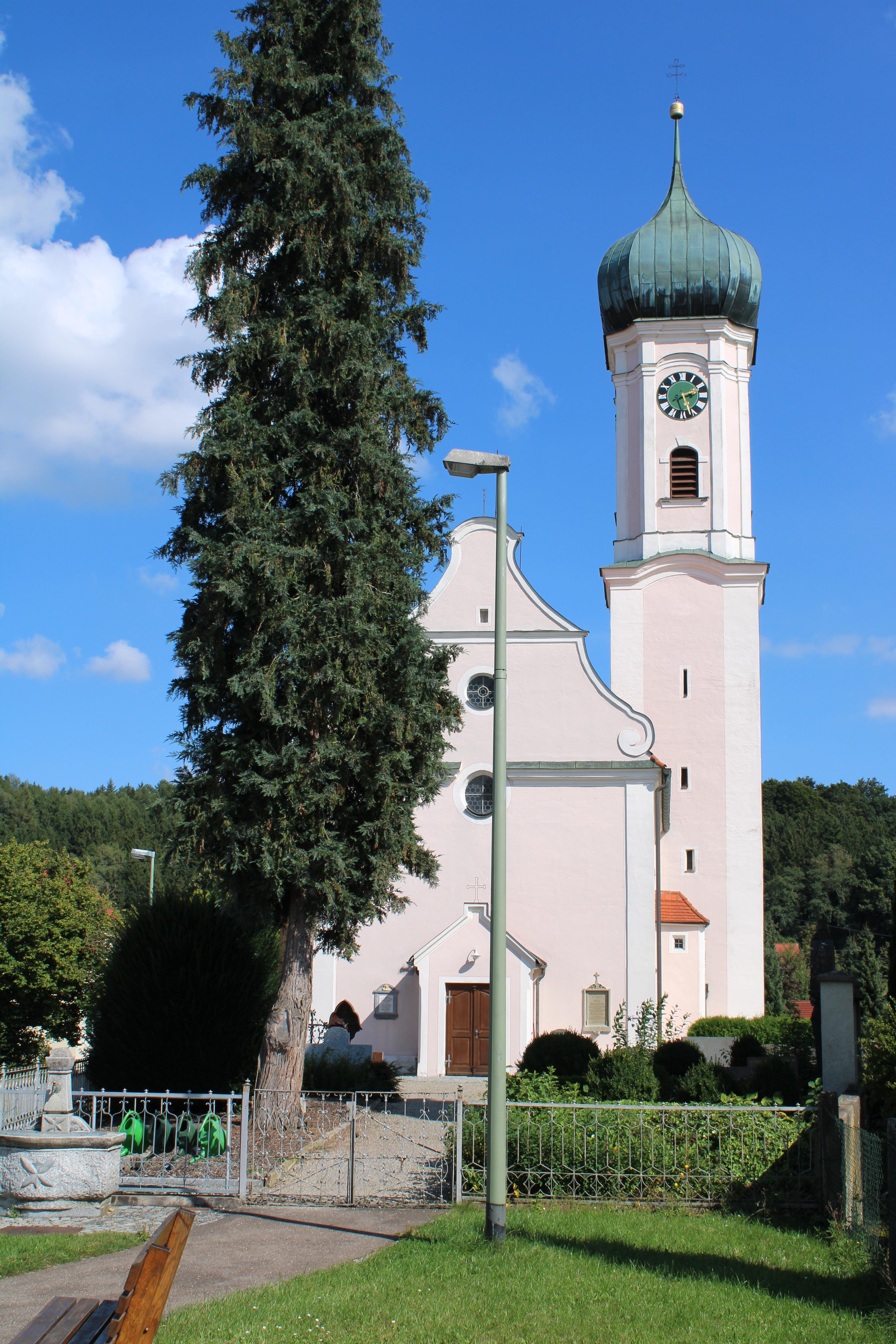
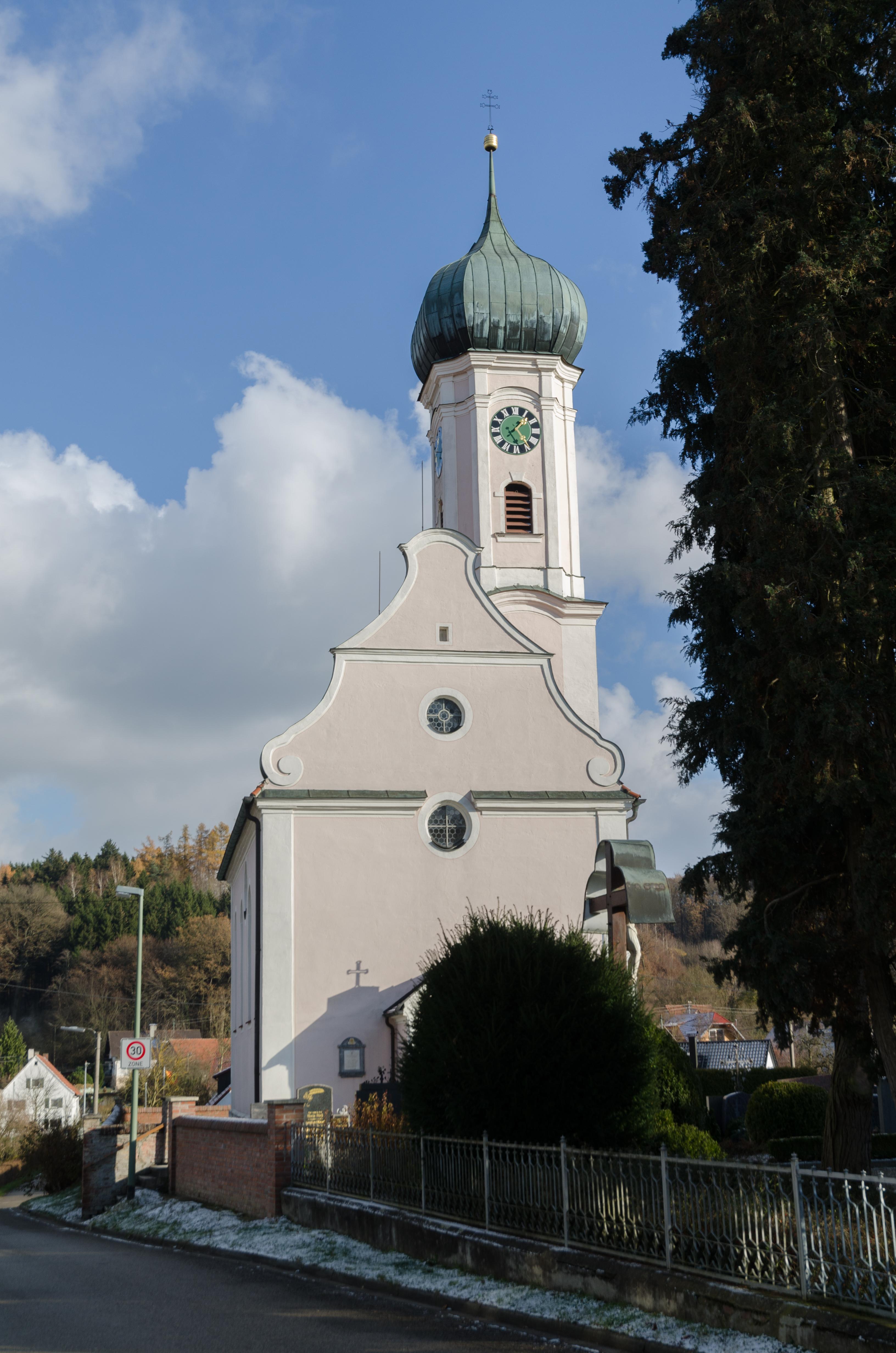
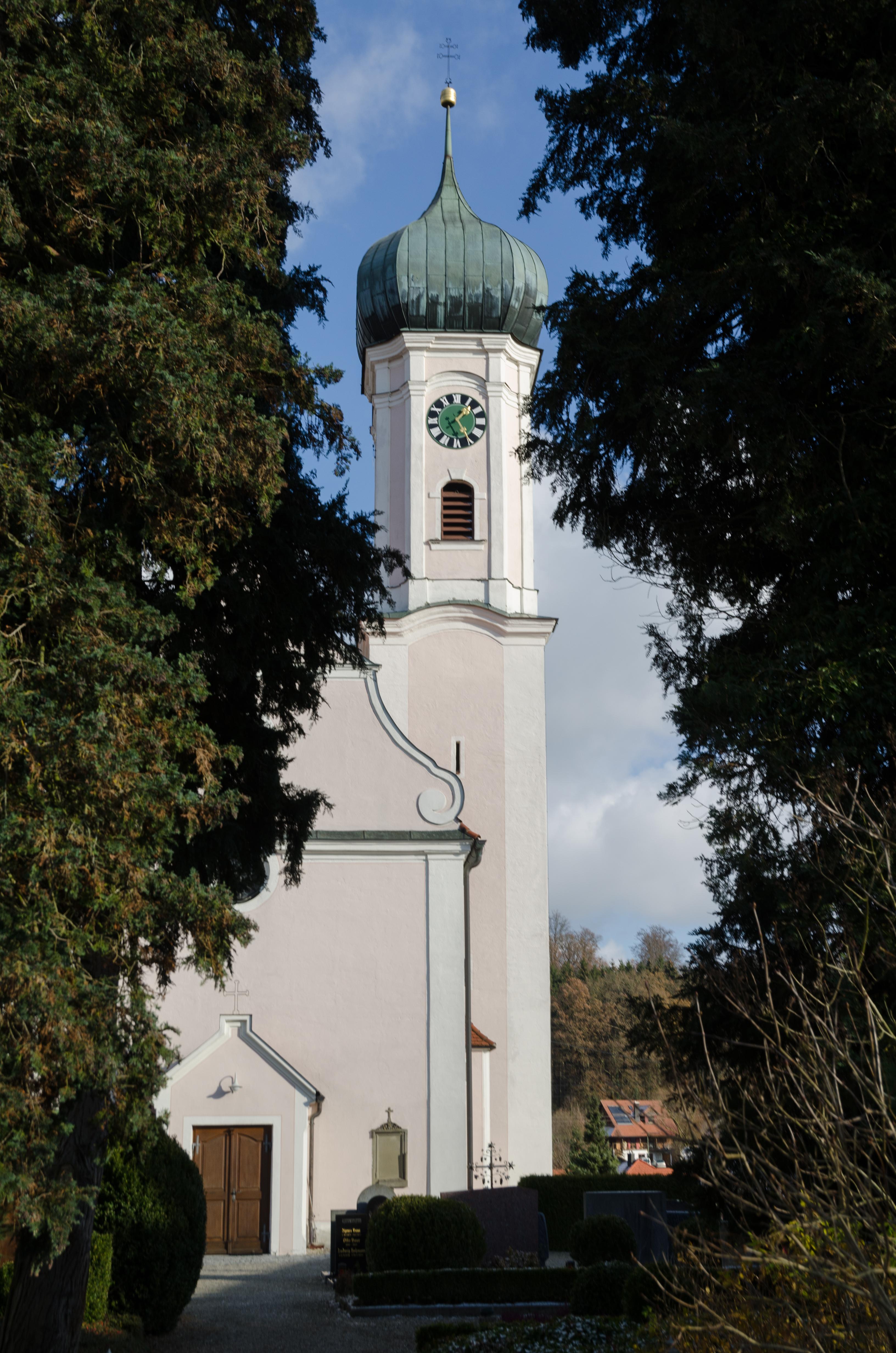
St. Mauritius stands at the centre of a German village, with a tower crowned by an onion-shaped cupola. The tower gained this distinctive silhouette when it was raised in 1756. Inside, broad ceiling frescoes and abundant stucco frame a bright Rococo setting shaped between 1755 and 1757. The high altar, acquired from a pilgrimage church in the mid-eighteenth century, anchors the interior.
Side altars from the same period continue the arrangement, alongside a carved baptism group from 1720. The triumphal pulpit dates from 1768 and carries gilded details above the nave. The baptism group remains on the font beneath a simple eternal light. A medieval bell from 1495 shares the belfry with a Mauritian bell cast in 1661 and larger bells made after the war in 1949.
Music has accompanied worship here since an organ was first recorded in the eighteenth century. The present instrument was restored and blessed in 2007, while a new altar was consecrated in 2008. St. Mauritius still serves as a parish church, with its patronal feast celebrated on 22 September. Look from the frescoes to the gilded pulpit, then up to the onion dome above the village.
- City
- Weißenhorn
- Content updated
Take this page with you
The myTuur app is free, and once you are standing at a spot its story starts by itself.


Spots like this one are the stops myTuur strings into tours through Weißenhorn. In the app, each story begins where you stand: walk up to a spot and it starts, read it on screen or listen as you go, then follow the route to the next one.
What is myTuur?
myTuur is a free city-guide app. Its tours are built from spots, and each spot carries a story that starts when you get there, to read or to listen to as you like.