Haus Wittgenstein
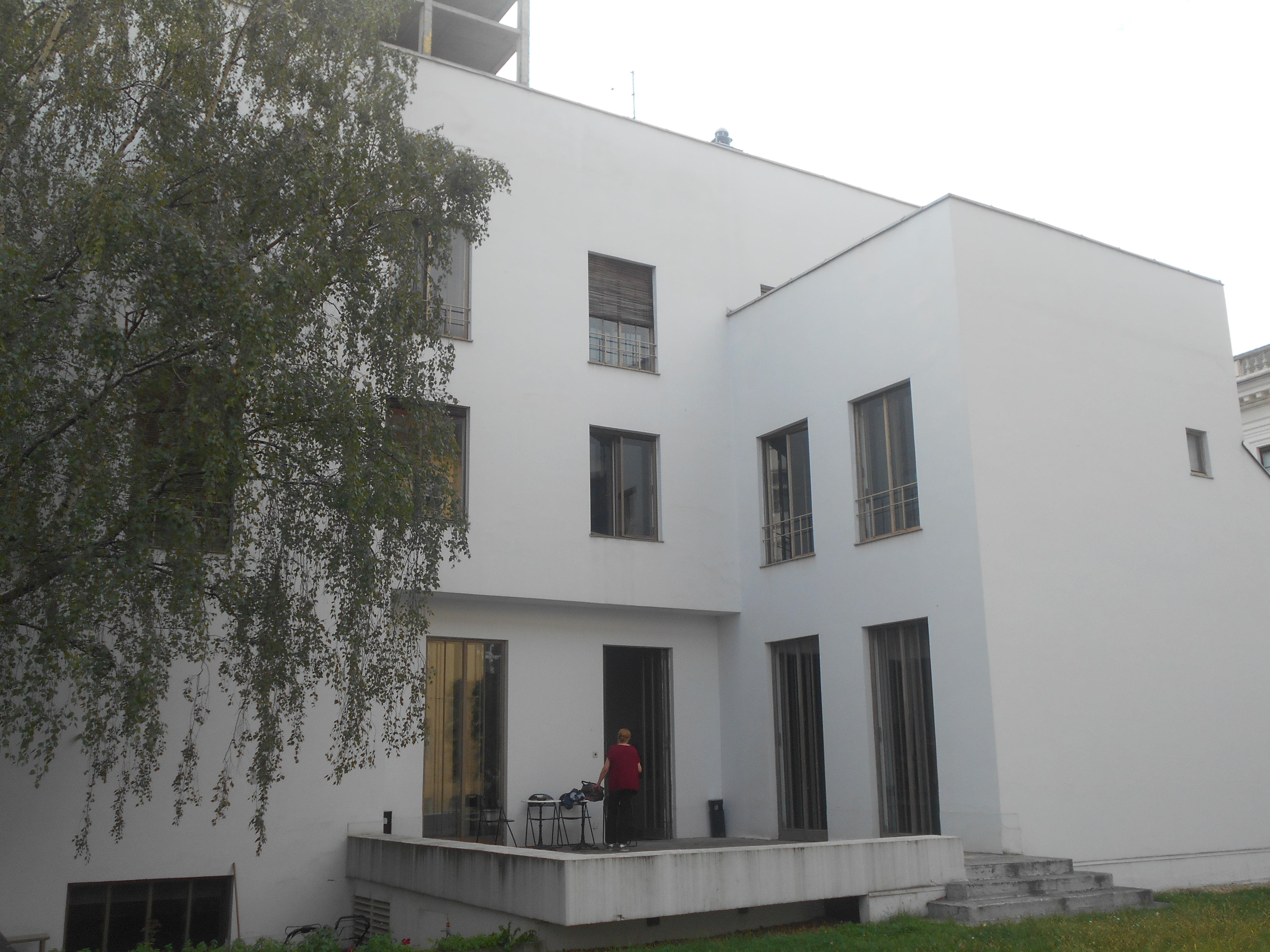
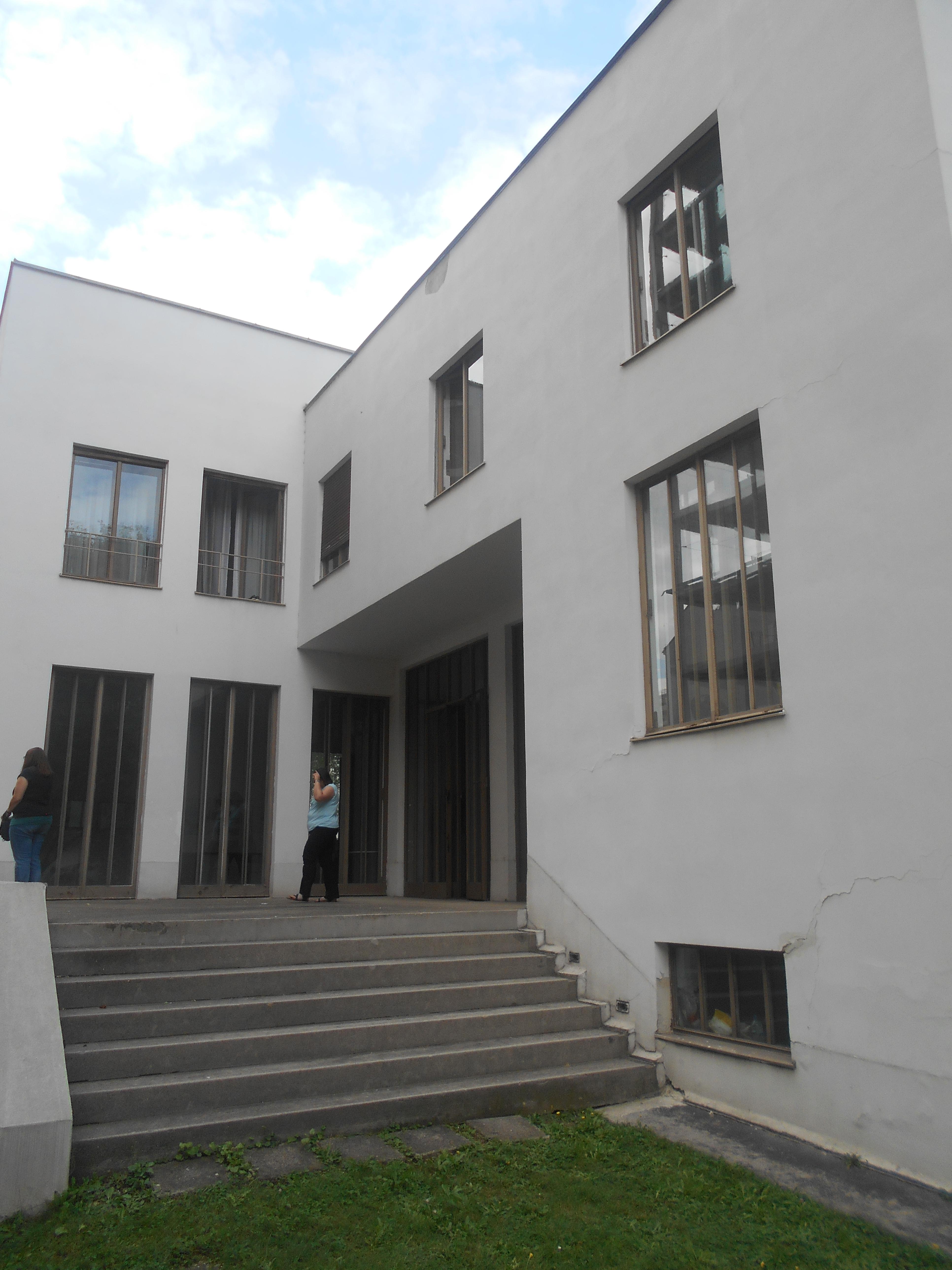
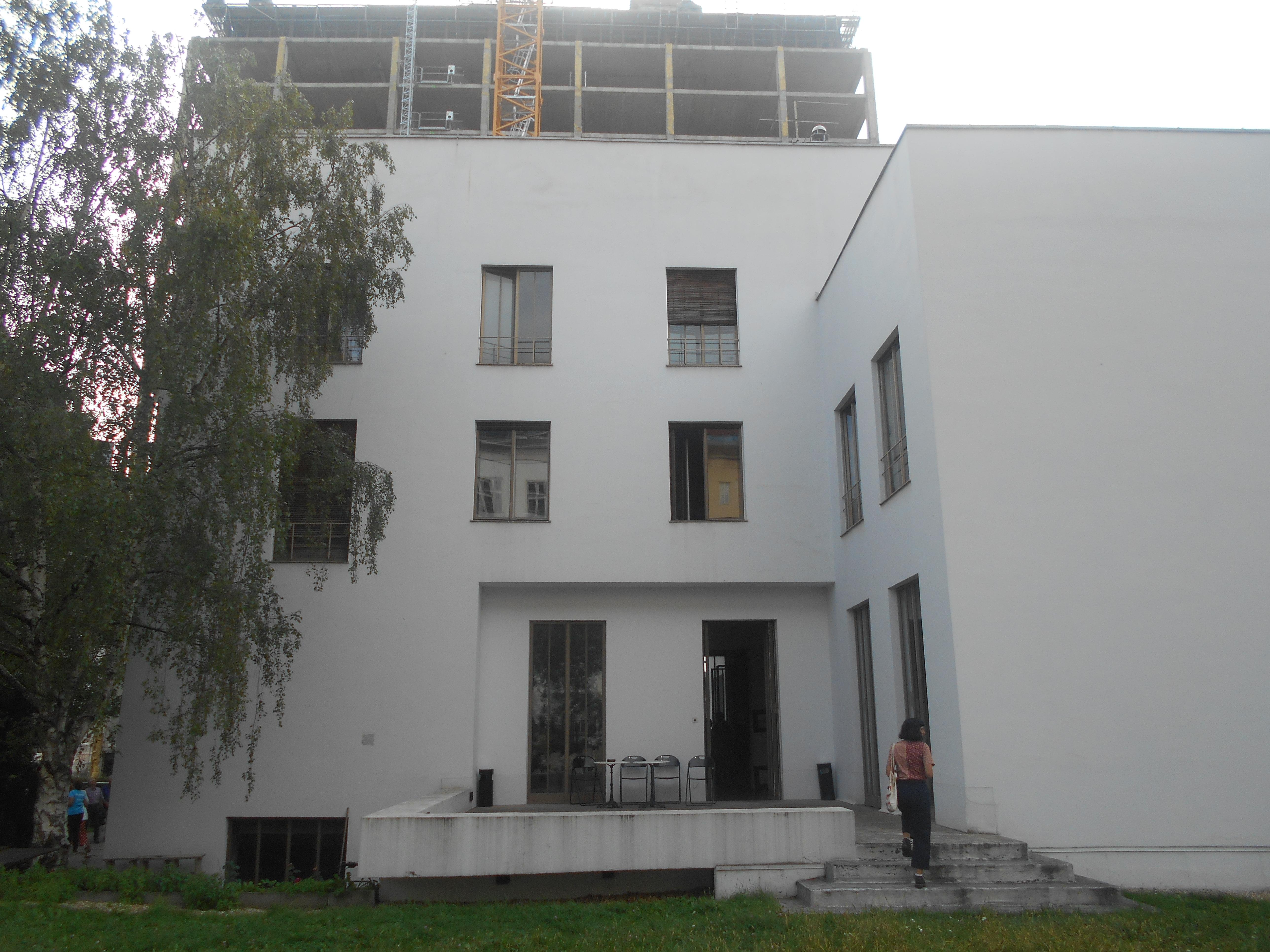
Haus Wittgenstein stands in Vienna as a modernist townhouse of white cubes and regularly spaced vertical windows. Paul Engelmann and Ludwig Wittgenstein shaped its design for Margaret Stonborough-Wittgenstein between 1925 and 1928. Its central hall catches light through paired translucent glass and steel doors. Reflections divide the central interior into changing viewpoints.
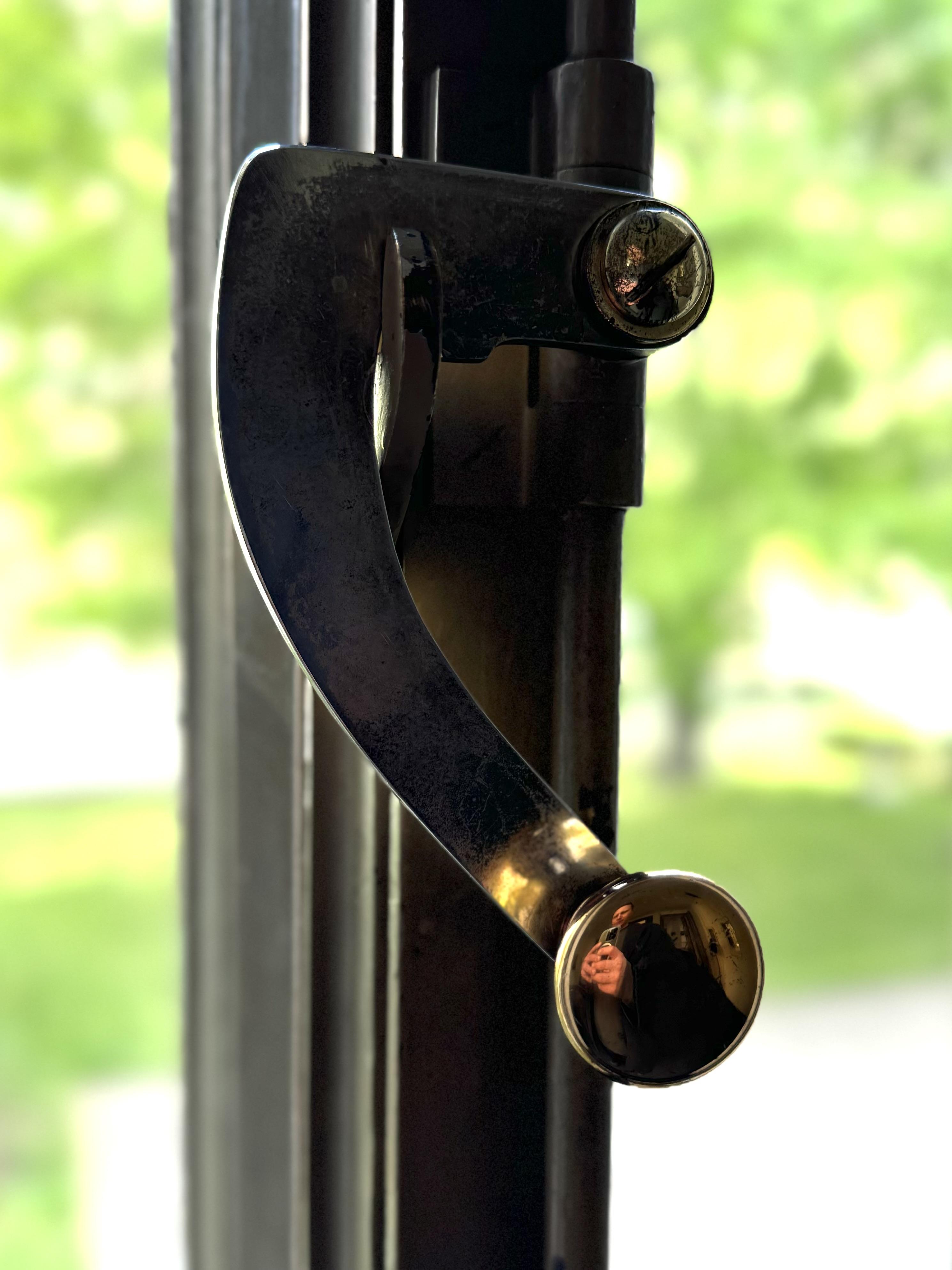
Margaret first commissioned Engelmann, whose plan used three rectangular blocks and an approach influenced by Adolf Loos. Ludwig Wittgenstein then revised nearly everything in the house. He spent over two years specifying windows, doors, handles, radiators, surfaces, and exact proportions. One ceiling rose thirty millimetres, while each metal window screen weighed 150 kilograms and moved through a pulley system.
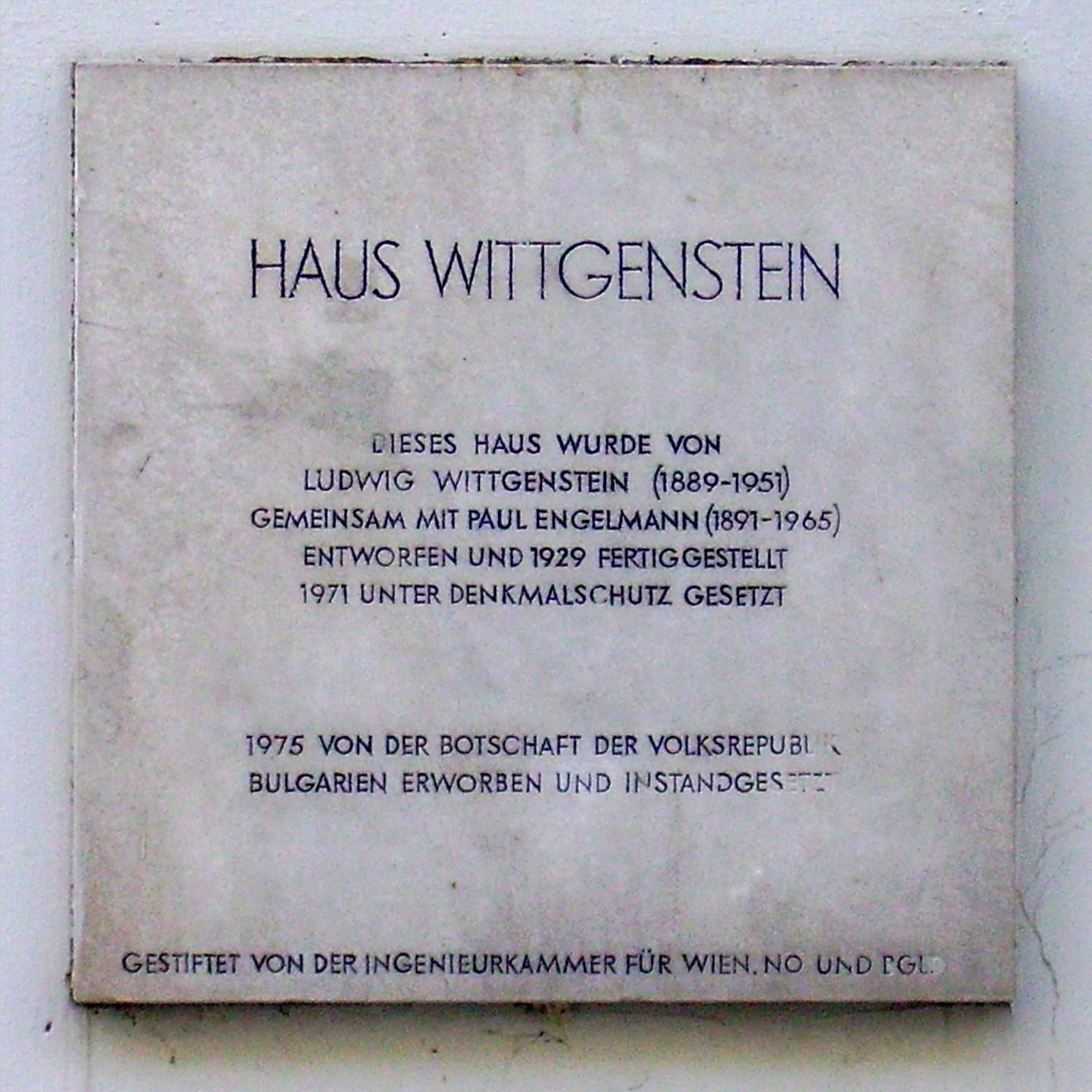
After wartime barracks and stables, the threatened building survived a demolition plan and became a national monument in 1971. Since 1975, it has housed the cultural department of the Bulgarian Embassy. Its austere geometry echoes Wittgenstein’s interest in boundaries, limits, and the relation between inside and outside. Cultural events and exhibitions continue within these precise rooms.
- City
- Vienna
- Content updated
Take this page with you
The myTuur app is free, and once you are standing at a spot its story starts by itself.


Spots like this one are the stops myTuur strings into tours through Vienna. In the app, each story begins where you stand: walk up to a spot and it starts, read it on screen or listen as you go, then follow the route to the next one.
What is myTuur?
myTuur is a free city-guide app. Its tours are built from spots, and each spot carries a story that starts when you get there, to read or to listen to as you like.