Schijvenloods N Fort De Bilt
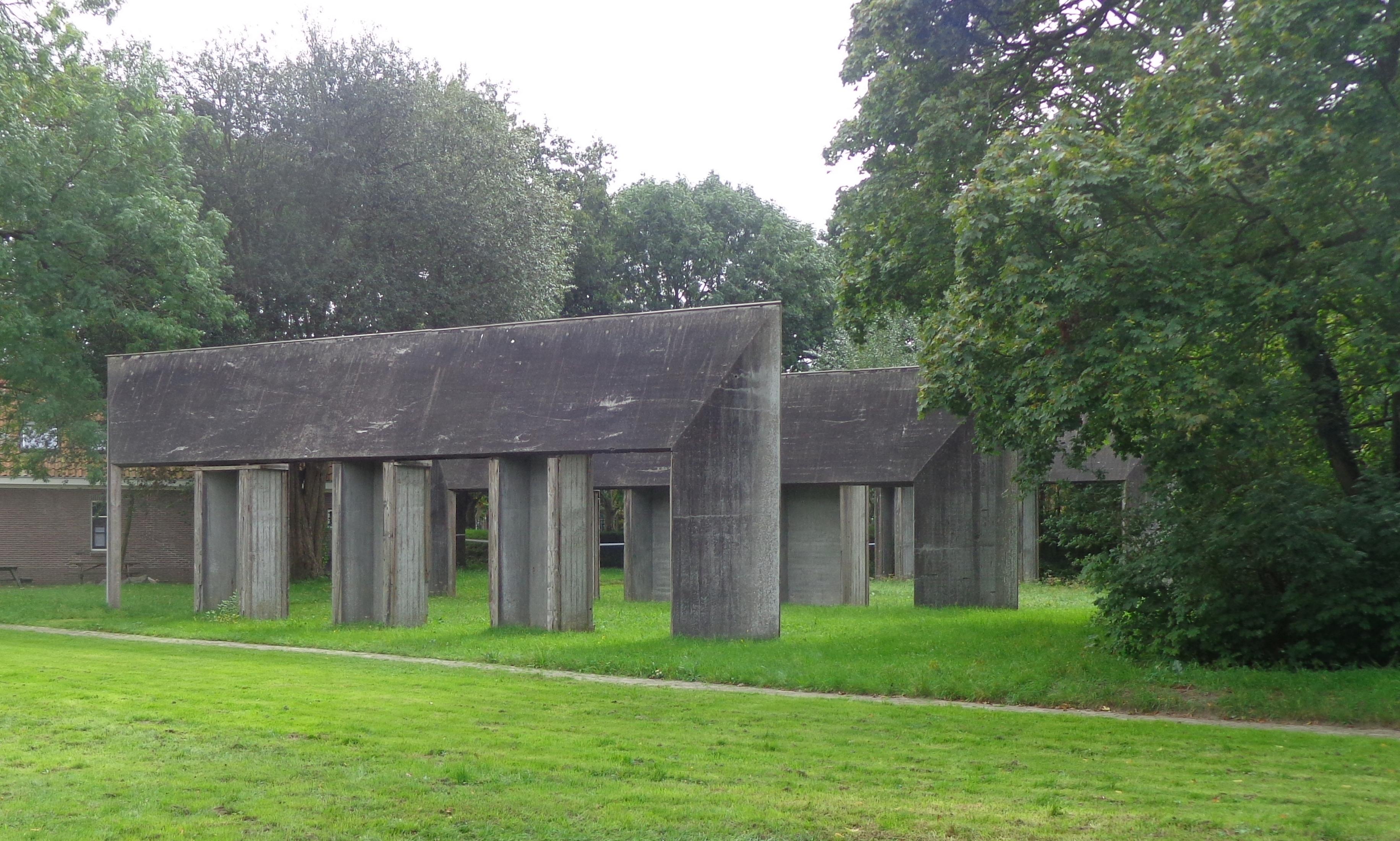
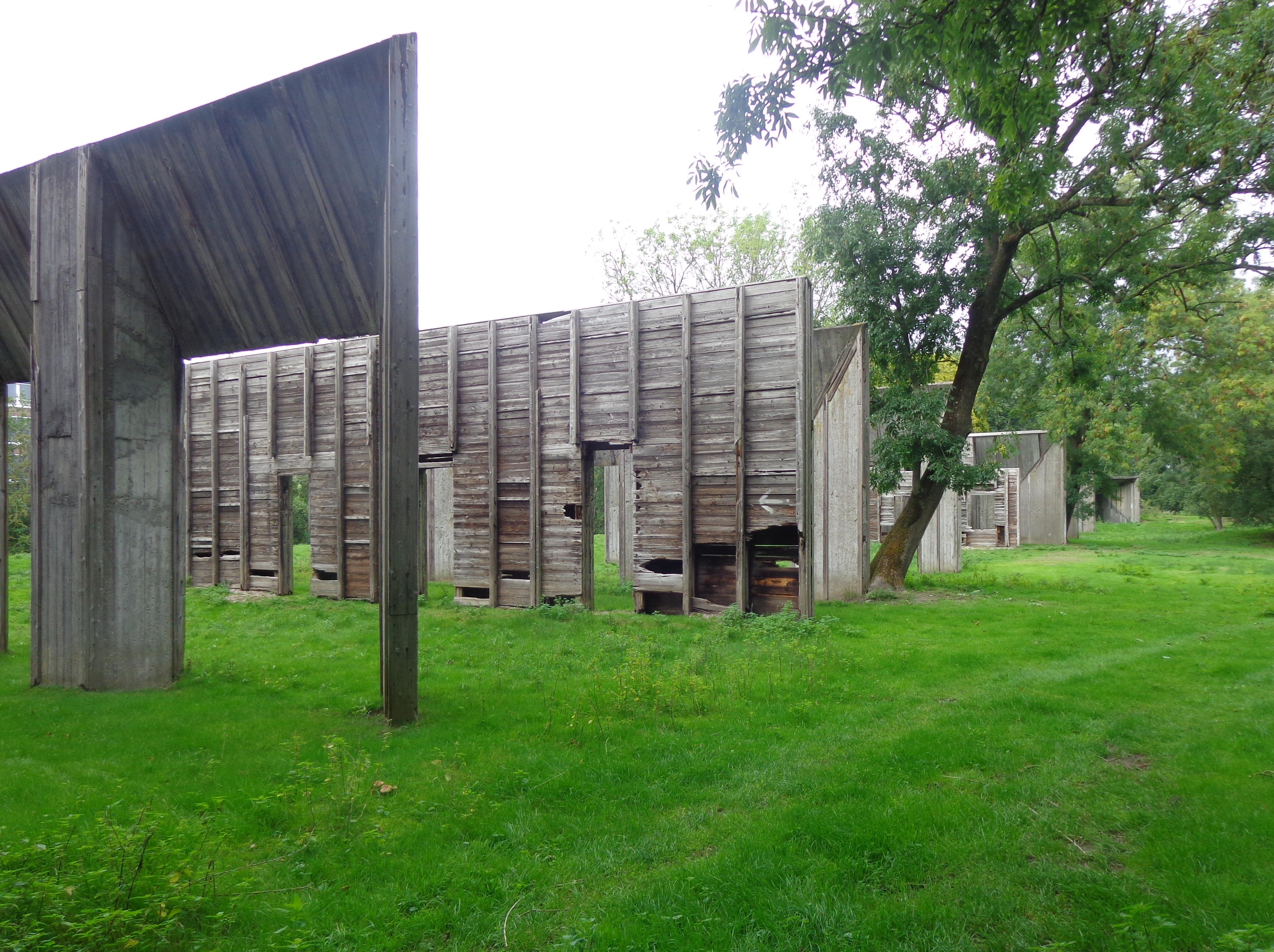
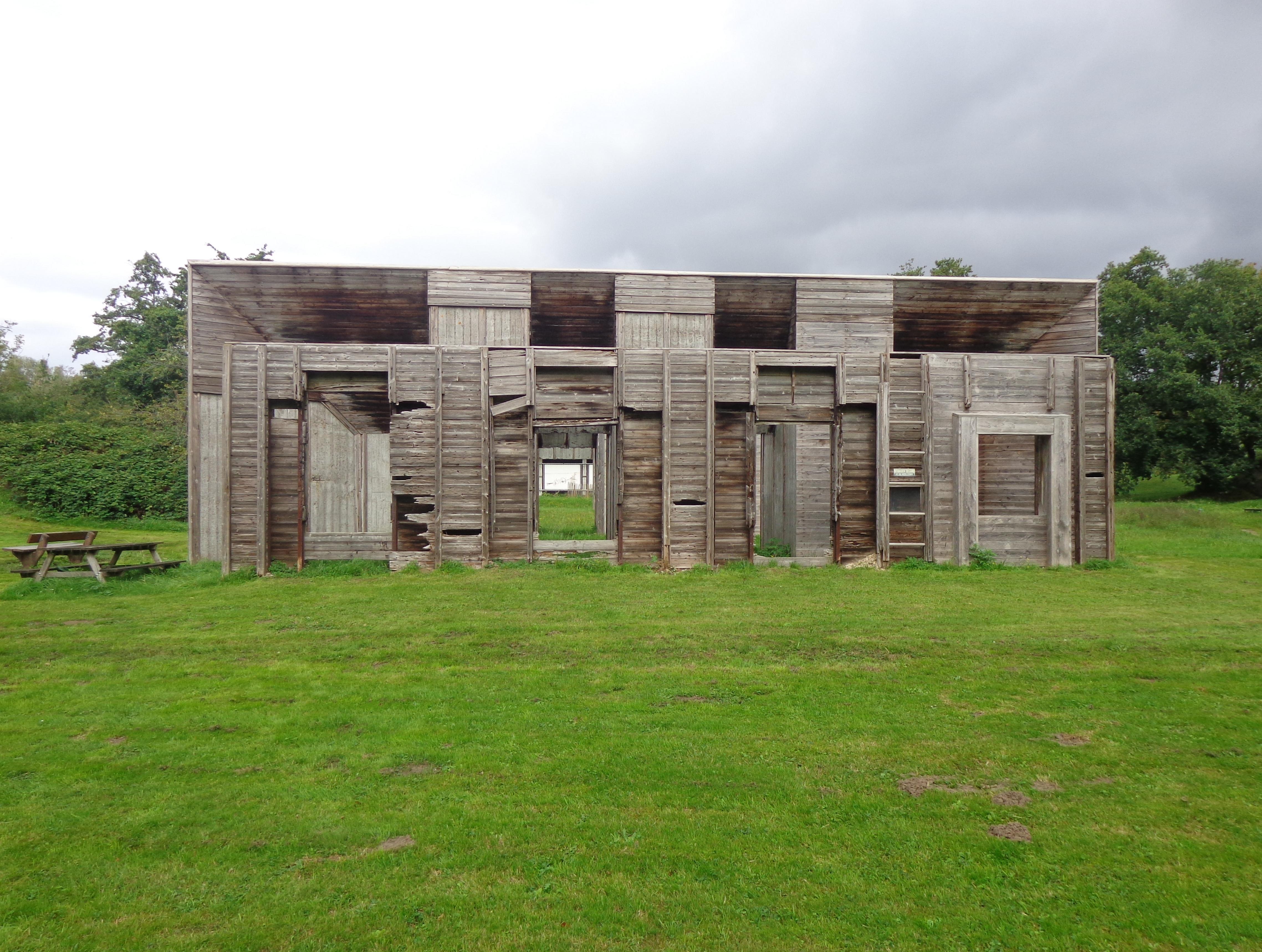
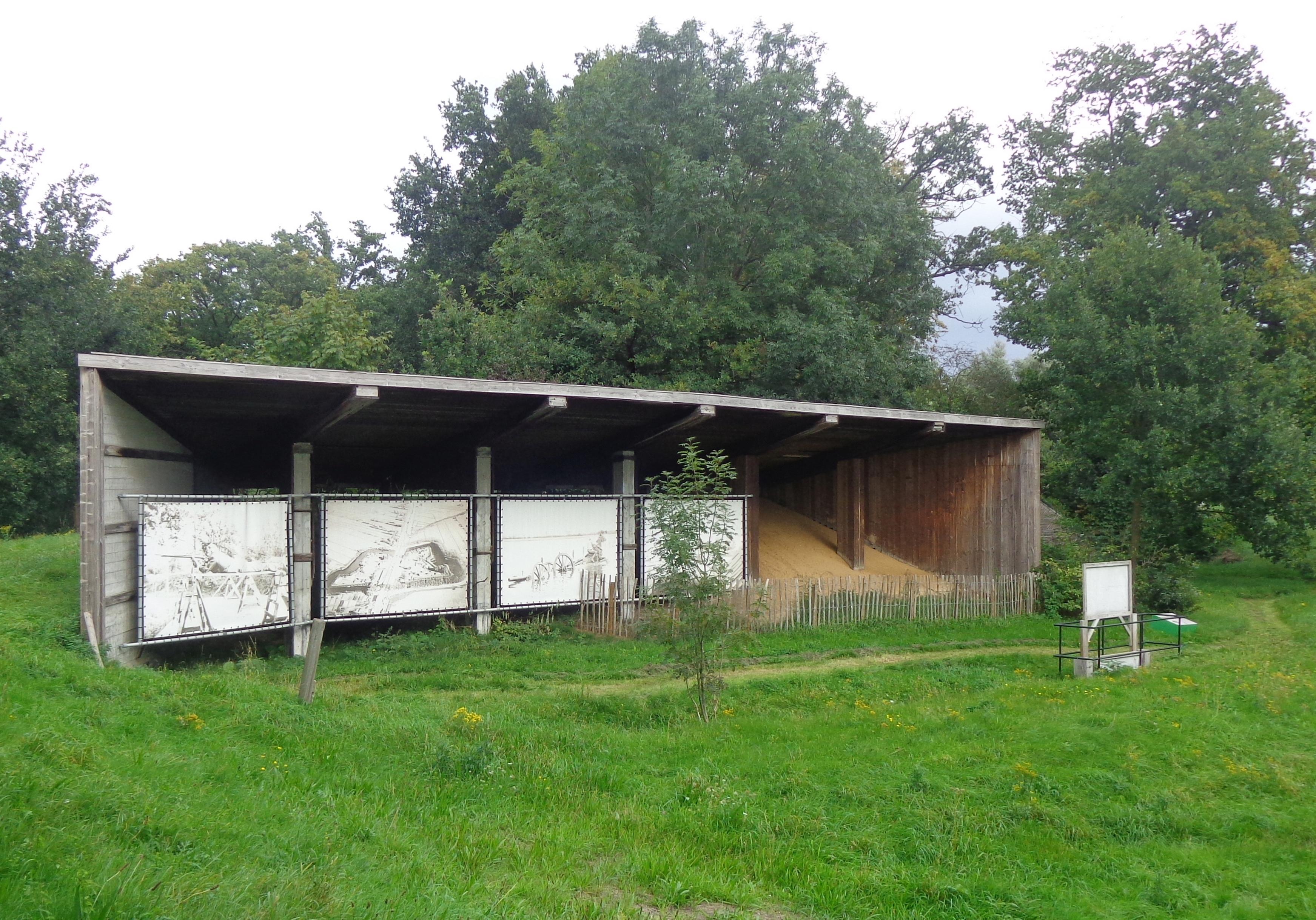
Schijvenloods N Fort De Bilt stands within Fort De Bilt, part of the Nieuwe Hollandse Waterlinie in the Netherlands. The fort belongs to Utrecht’s historic ring of defensive works.
The New Dutch Waterline combined controlled flooding, forts, batteries and protected access points to slow invading armies. Controlled water formed the barrier around vulnerable approaches.
Fort De Bilt contained barracks, storage buildings and earthworks that supported the defence of Utrecht as a garrison town. Moats and earthworks strengthened the fort’s position.
Within this military landscape, Schijvenloods N represents the practical architecture of a wider defence system shaped by water management. Brick buildings housed soldiers and stored military equipment.
Fort buildings also reveal changing construction methods, from earlier protected works to later functional structures with tiled roofs and dormer windows. Dark roof tiles mark one functional structure.
The Waterline connected military engineering with Dutch geography, stretching between the Zuiderzee near Muiden and the Biesbosch near Werkendam. Fort De Bilt preserves this link between water and defence.
Architecture here carries a local story about Utrecht’s protection and a national story about Dutch defensive planning.
- City
- Utrecht
- Content updated
Take this page with you
The myTuur app is free, and once you are standing at a spot its story starts by itself.


Spots like this one are the stops myTuur strings into tours through Utrecht. In the app, each story begins where you stand: walk up to a spot and it starts, read it on screen or listen as you go, then follow the route to the next one.
What is myTuur?
myTuur is a free city-guide app. Its tours are built from spots, and each spot carries a story that starts when you get there, to read or to listen to as you like.