Tempelgesellschaft in Deutschland
Tempelgesellschaft in Deutschland traces its roots to mid-nineteenth-century Germany and the Radical Pietism of Christoph Hoffmann and Georg David Hardegg. The movement began among the Friends of Jerusalem in Württemberg and sought a Christian community awaiting Christ’s return. Stuttgart offers a local view of this religious movement and its links to communities beyond Germany.
In 1868, Hoffmann, Hardegg, their families and fellow Templers left Germany for Haifa, where they established a colony beside a favorable harbor. Their broad, tree-lined main street and distinctive buildings introduced architectural forms that differed from local traditions. Further colonies followed in Jaffa, Sarona and the area near Jerusalem, alongside farming and infrastructure projects. Jaffa oranges became one lasting sign of their economic influence in Europe. World War I brought internment and custodianship of their properties, while World War II brought enemy-national status, deportation and the disruption of their communities.
- City
- Stuttgart
- Content updated
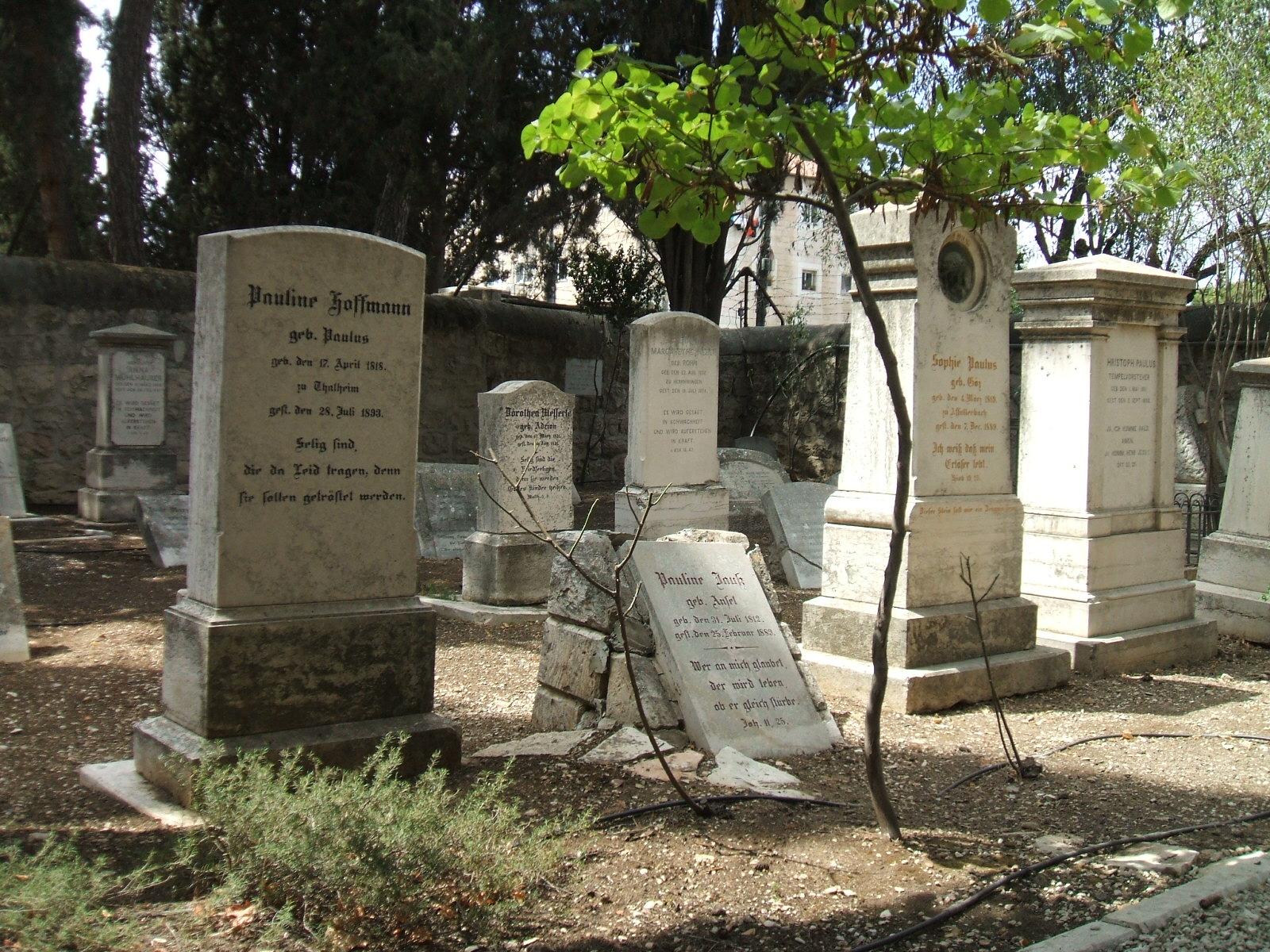
Image: HovevPublic domain 
Image: David ShankboneCC BY 3.0 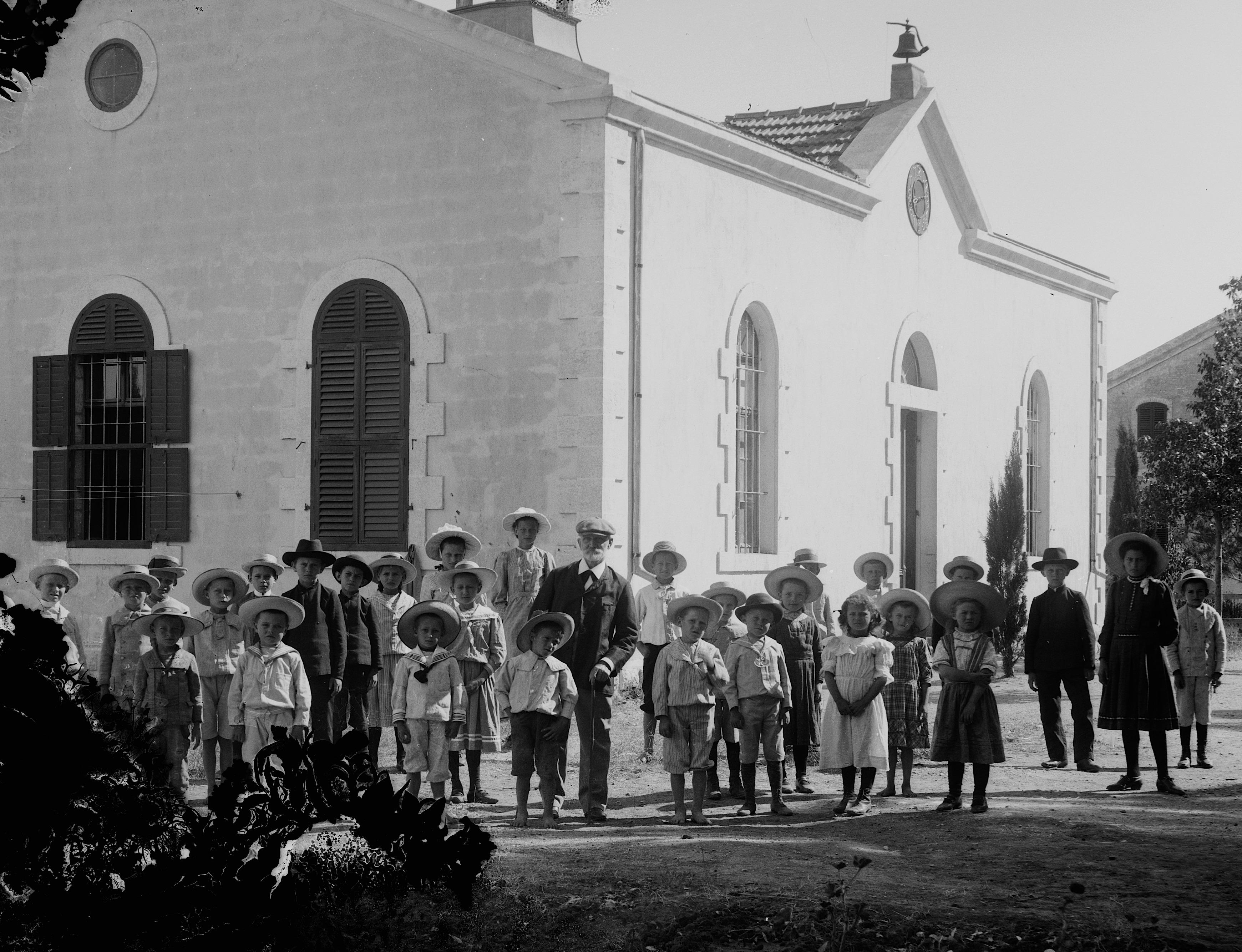
Image: wikimedia 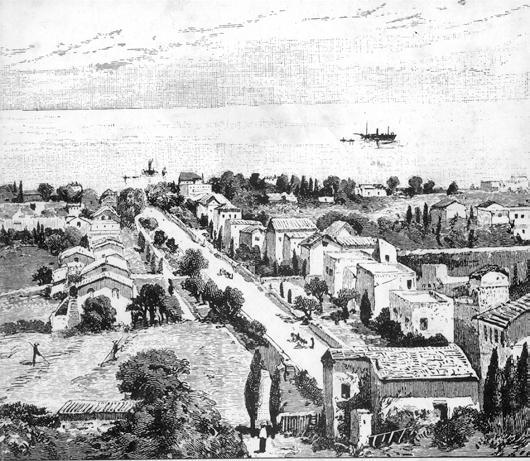
Image: This work or image is now in the public domain because its term of copyright has expired in Israel (details). According to Israel's copyright statute from 2007 (translation), a work is released to the public domain on 1 January of the 71st year after the author's death (paragraph 38 of the 2007 statute) with the following exceptions:, A photograph taken on 24 May 2008 or earlier — the old British Mandate act applies, i.e. on 1 January of the 51st year after the creation of the photograph (paragraph 78(i) of the 2007 statute, and paragraph 21 of the old British Mandate act)., If the copyrights are owned by the State, not acquired from a private person, and there is no special agreement between the State and the author — on 1 January of the 51st year after the creation of the work (paragraphs 36 and 42 in the 2007 statute)., See also category: PD Israel & British Mandate.Public domain
Take this page with you
The myTuur app is free, and once you are standing at a spot its story starts by itself.


Spots like this one are the stops myTuur strings into tours through Stuttgart. In the app, each story begins where you stand: walk up to a spot and it starts, read it on screen or listen as you go, then follow the route to the next one.
What is myTuur?
myTuur is a free city-guide app. Its tours are built from spots, and each spot carries a story that starts when you get there, to read or to listen to as you like.