Arco del Postigo
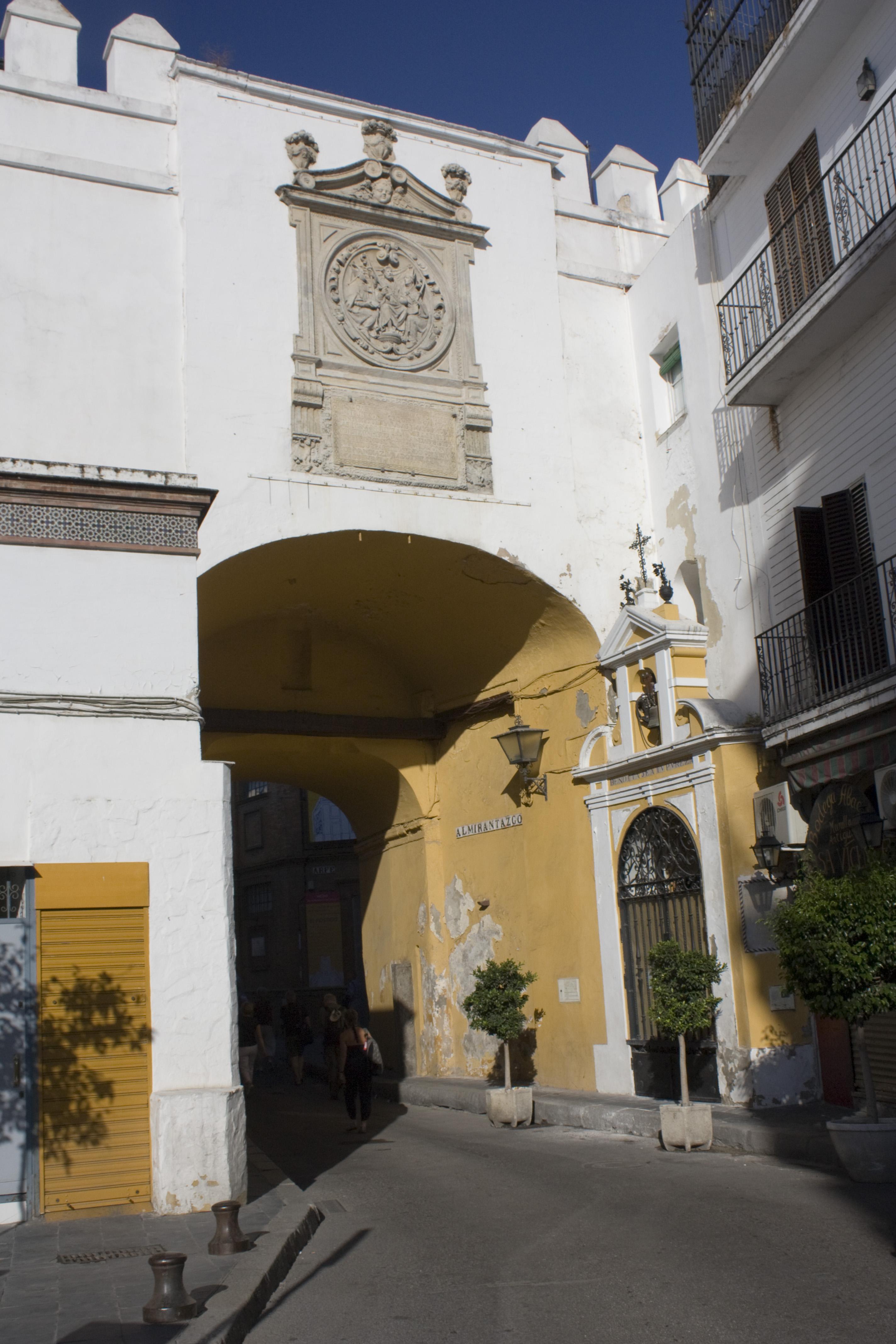
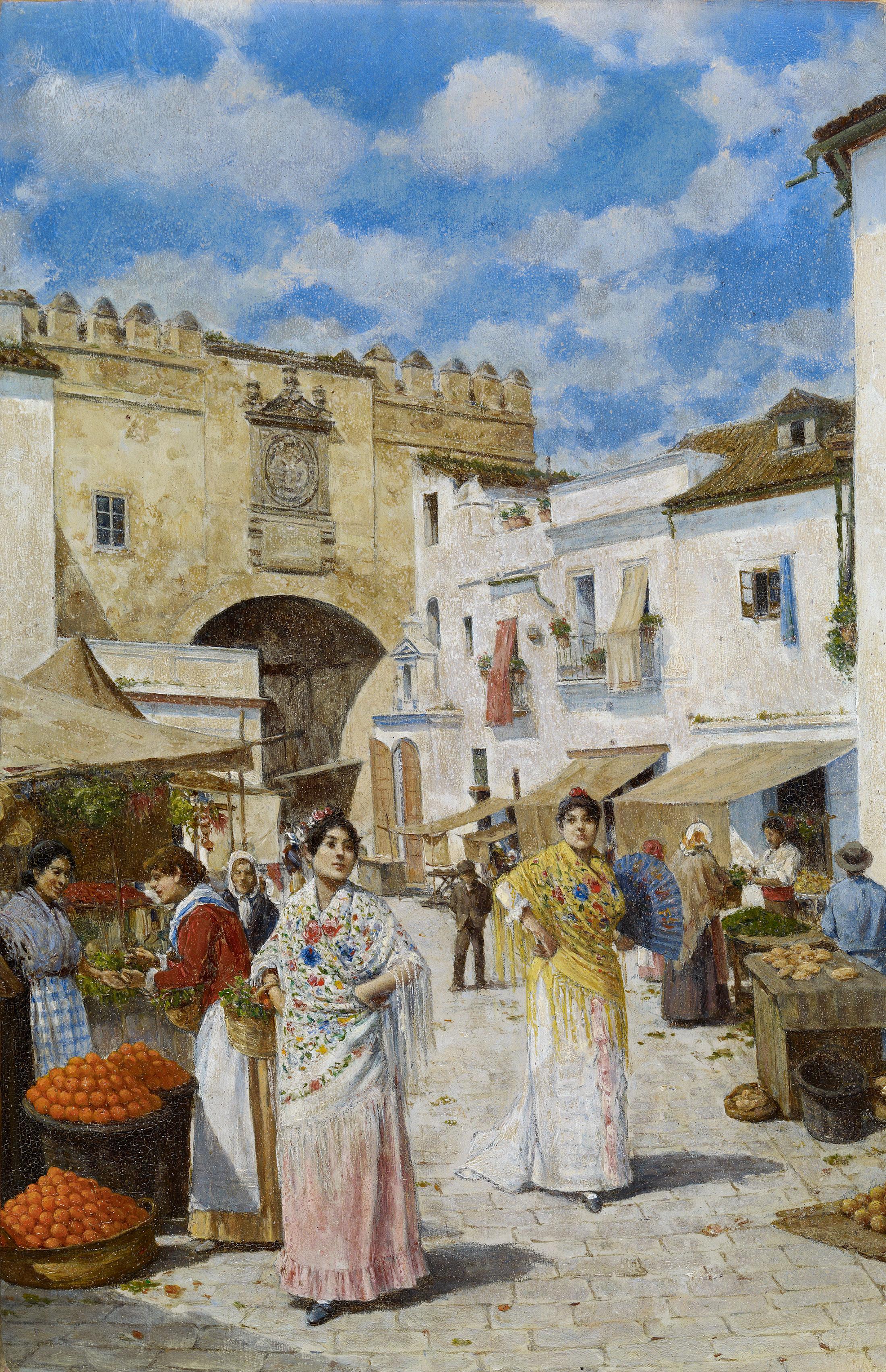
Arco del Postigo stands beside Seville’s Royal Dockyards as a surviving gate from the city’s medieval walls. Its arch opens onto narrow streets, where the surrounding historic setting becomes especially vivid during Holy Week processions.
Ali ibn Yusuf’s rule saw the first construction in 1107, while Benvenuto Tortello renovated the structure in 1572 and 1573. Trade gave it names such as Postigo del Aceite, Puerta de la Alhóndiga and Puerta de la Aceituna, reflecting oil, grain and olives passing through Seville. Inside, carved stone shows Saint Ferdinand with Isidore and Leander, while rails mark where flood barriers once stood. An eighteenth-century chapel beside the gate held a Baroque altarpiece attributed to Pedro Roldán.
Most of Seville’s original walls disappeared during nineteenth-century expansion, leaving this arch among the last complete survivors. Its most tangible detail may be the old flood-control rails, still visible beneath the carved figures.
- City
- Seville
- Content updated
Take this page with you
The myTuur app is free, and once you are standing at a spot its story starts by itself.


Spots like this one are the stops myTuur strings into tours through Seville. In the app, each story begins where you stand: walk up to a spot and it starts, read it on screen or listen as you go, then follow the route to the next one.
What is myTuur?
myTuur is a free city-guide app. Its tours are built from spots, and each spot carries a story that starts when you get there, to read or to listen to as you like.