Villa romana di Bussana
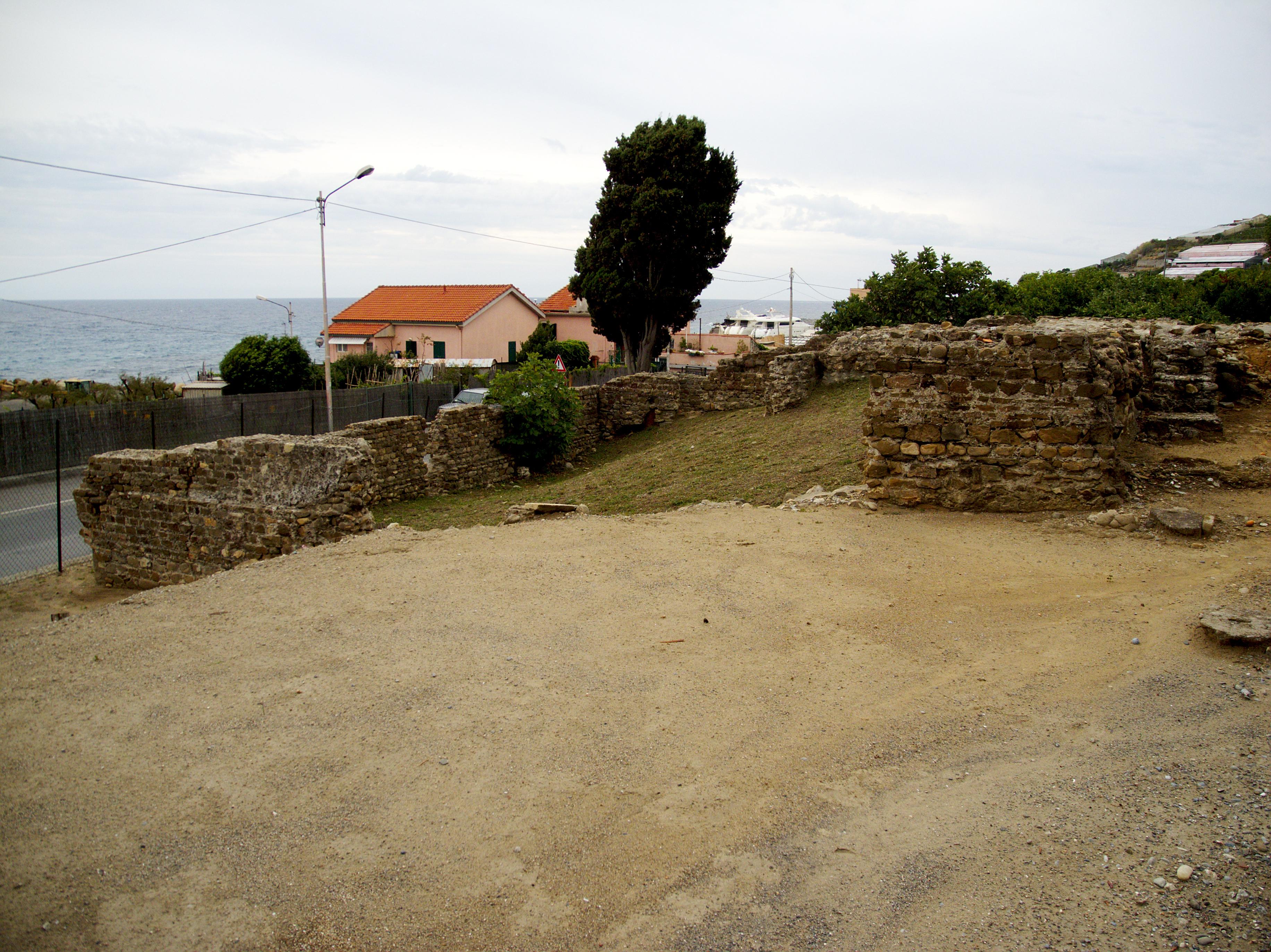
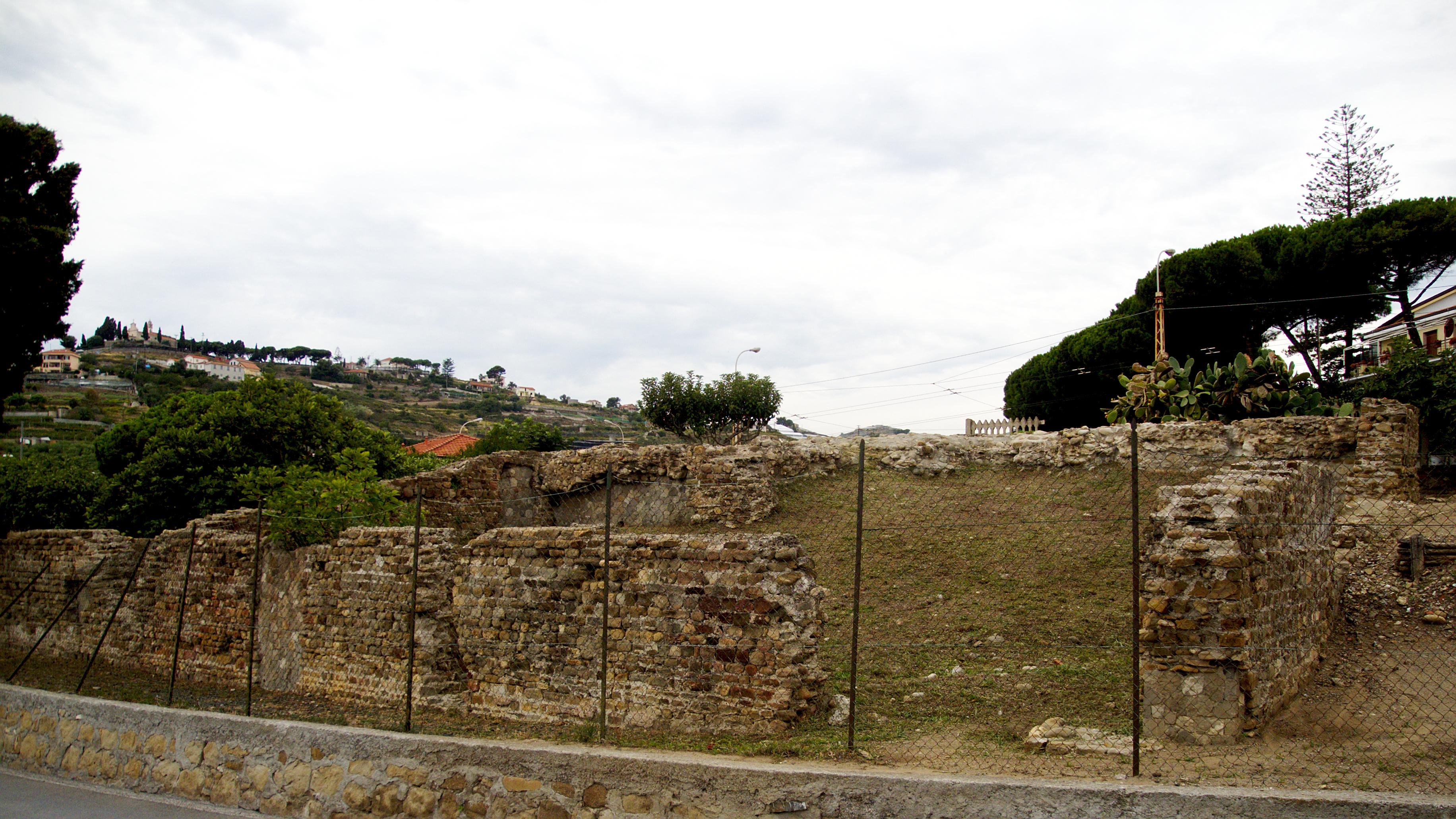
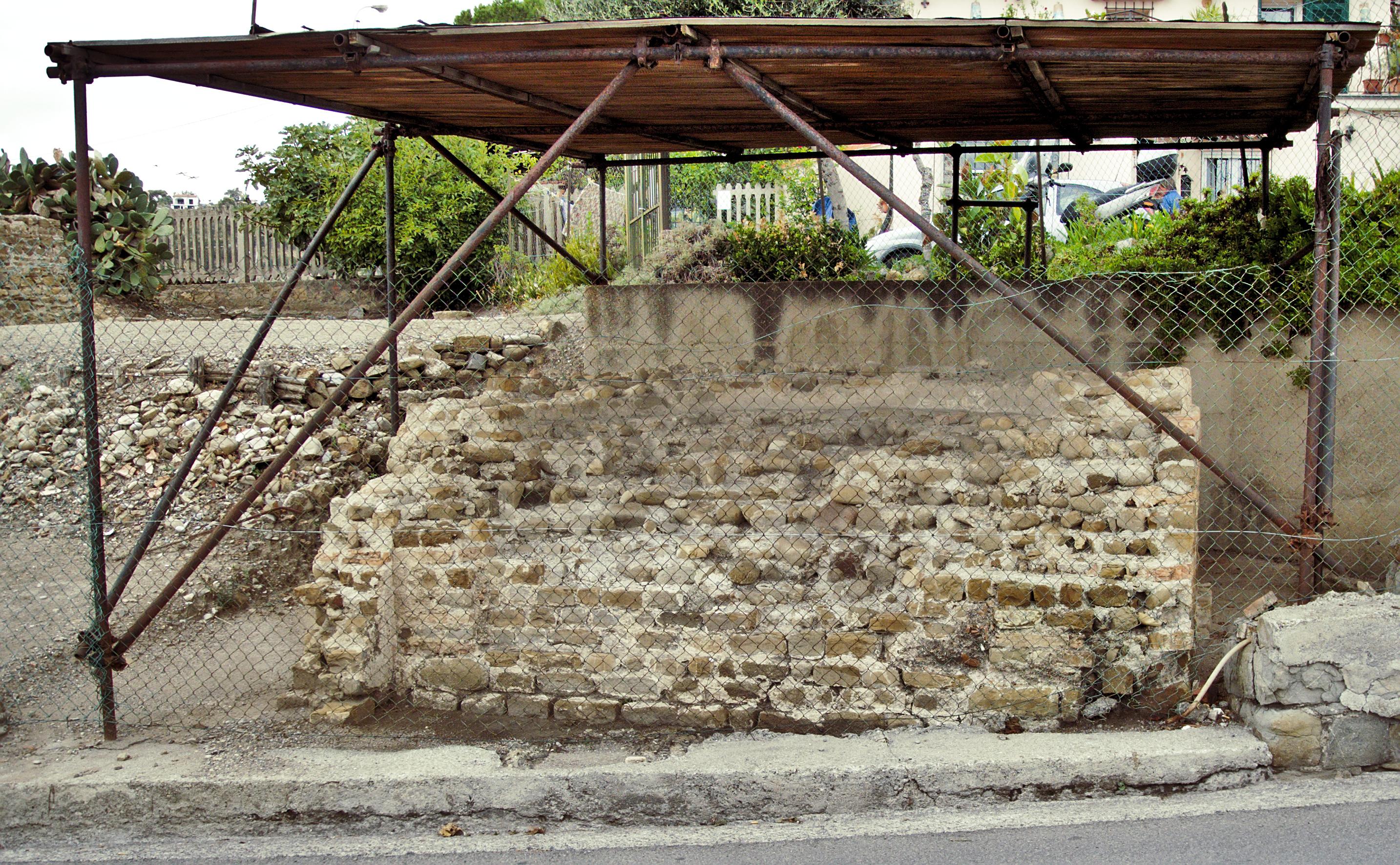
Villa romana di Bussana preserves Roman remains from the first and second centuries AD on the Ligurian coast. Artificial terraces descend towards the sea beside the villa. The surviving walls represent only part of a larger residence with residential and productive areas. A nearby Roman road, the Via Iulia Augusta, connected this coastal setting with wider routes. Builders used small limestone and sandstone blocks in carefully constructed walls. These masonry techniques indicate skilled construction for an owner of high social standing. Waterproofed tanks contain cocciopesto, a Roman concrete made with pottery fragments. The tanks probably supported oil or wine processing.
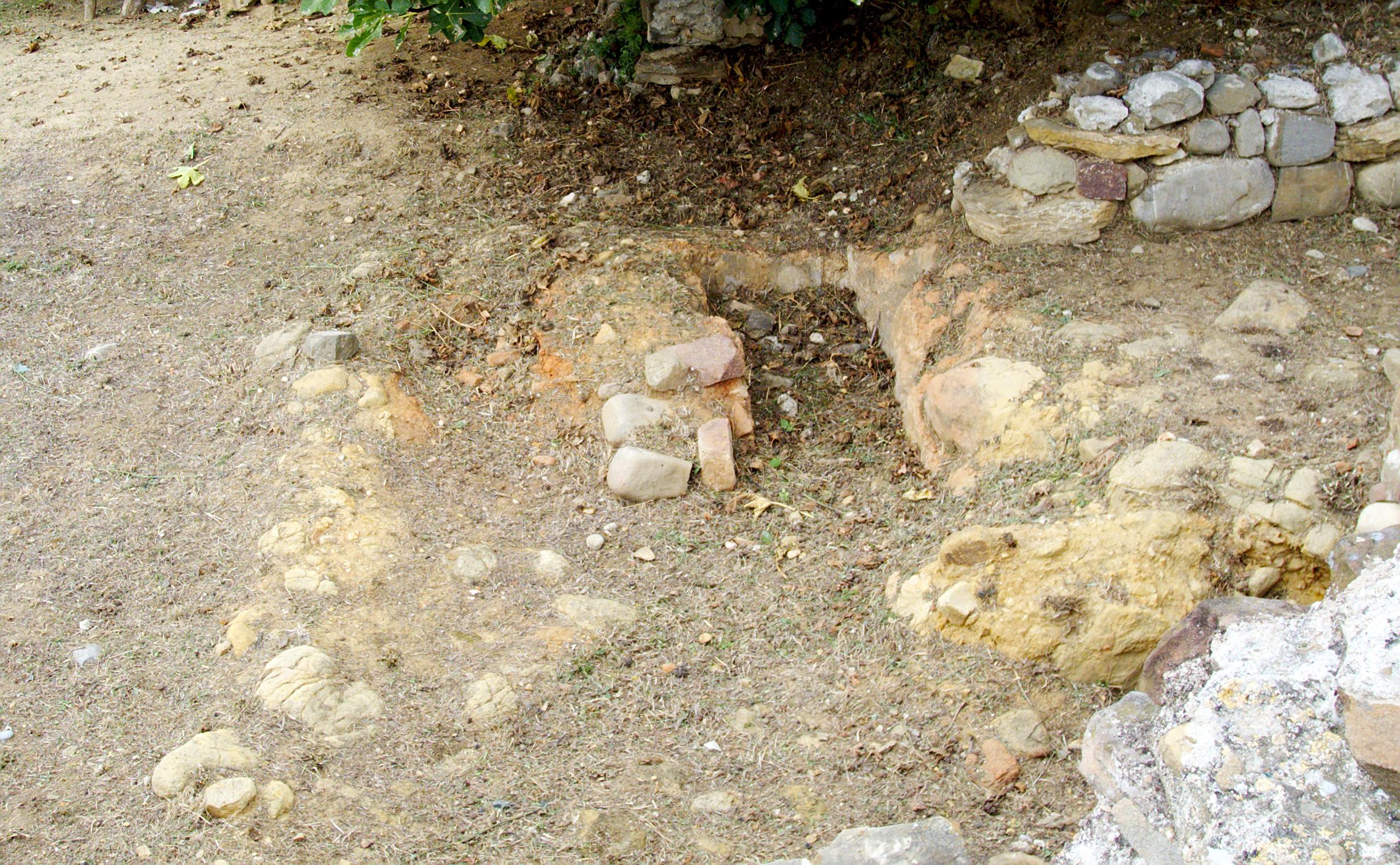
A brick and tile furnace reveals another practical side of the complex. Other rectangular rooms remain harder to identify because their installations have disappeared. Ancient floors survive at the terrace’s highest point above the bay. A small mausoleum stands outside the villa’s perimeter wall. Its square exterior and semicircular niche suggest a funerary structure, possibly linked to the villa’s owner. Ceramics, coins, and inscriptions connect the villa and mausoleum with Roman activity through the third century. Visible walls, floors, tanks, the furnace, and mausoleum present Bussana as a Roman rural complex.
- City
- Sanremo
- Content updated
Take this page with you
The myTuur app is free, and once you are standing at a spot its story starts by itself.


Spots like this one are the stops myTuur strings into tours through Sanremo. In the app, each story begins where you stand: walk up to a spot and it starts, read it on screen or listen as you go, then follow the route to the next one.
What is myTuur?
myTuur is a free city-guide app. Its tours are built from spots, and each spot carries a story that starts when you get there, to read or to listen to as you like.