Neuer Lustgarten
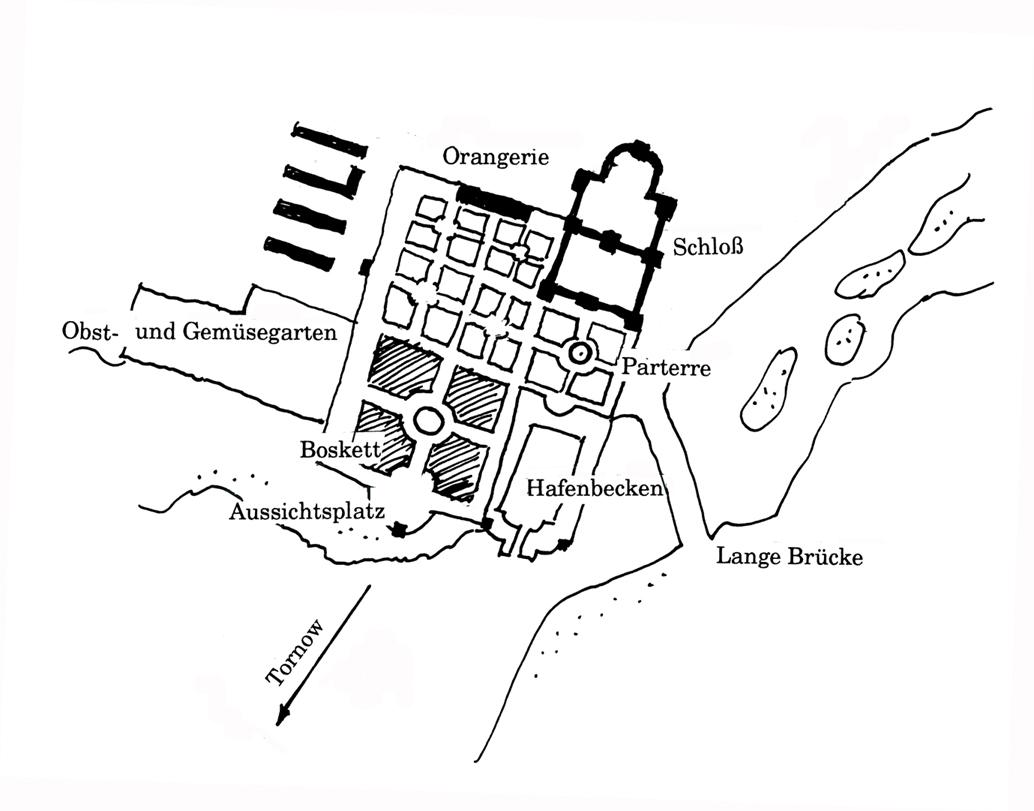
Neuer Lustgarten in Potsdam traces the city’s garden history from its first recorded mention in 1589. The park began as a Baroque garden.
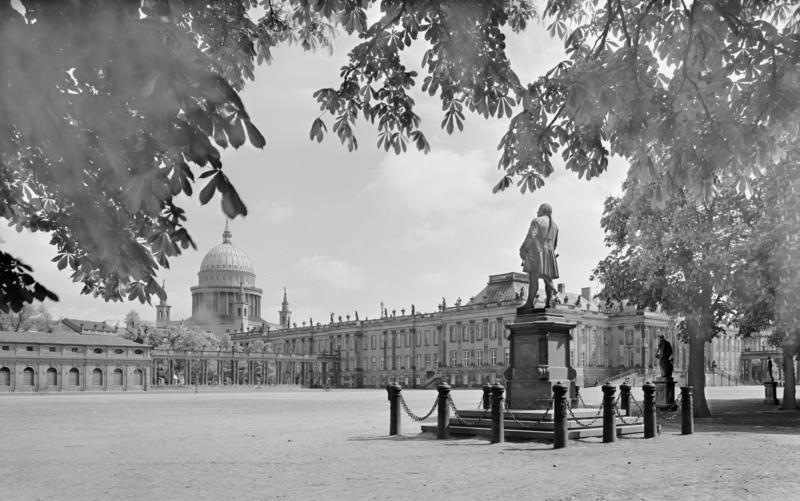
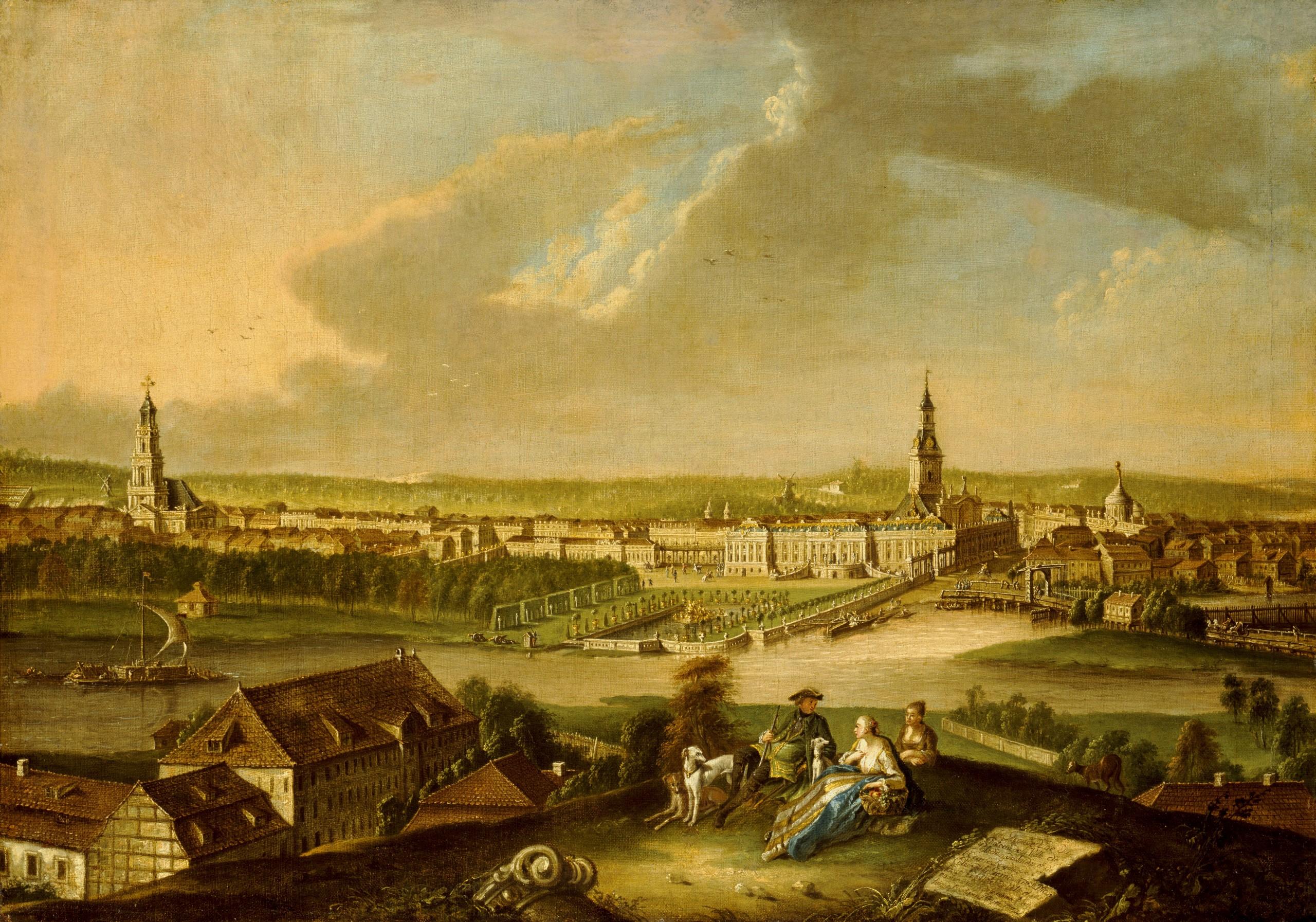
Around 1660, Friedrich Wilhelm of Brandenburg shaped it within an ensemble including the Stadtschloss, Old Market and Havel riverfront. French garden design influenced its layout.
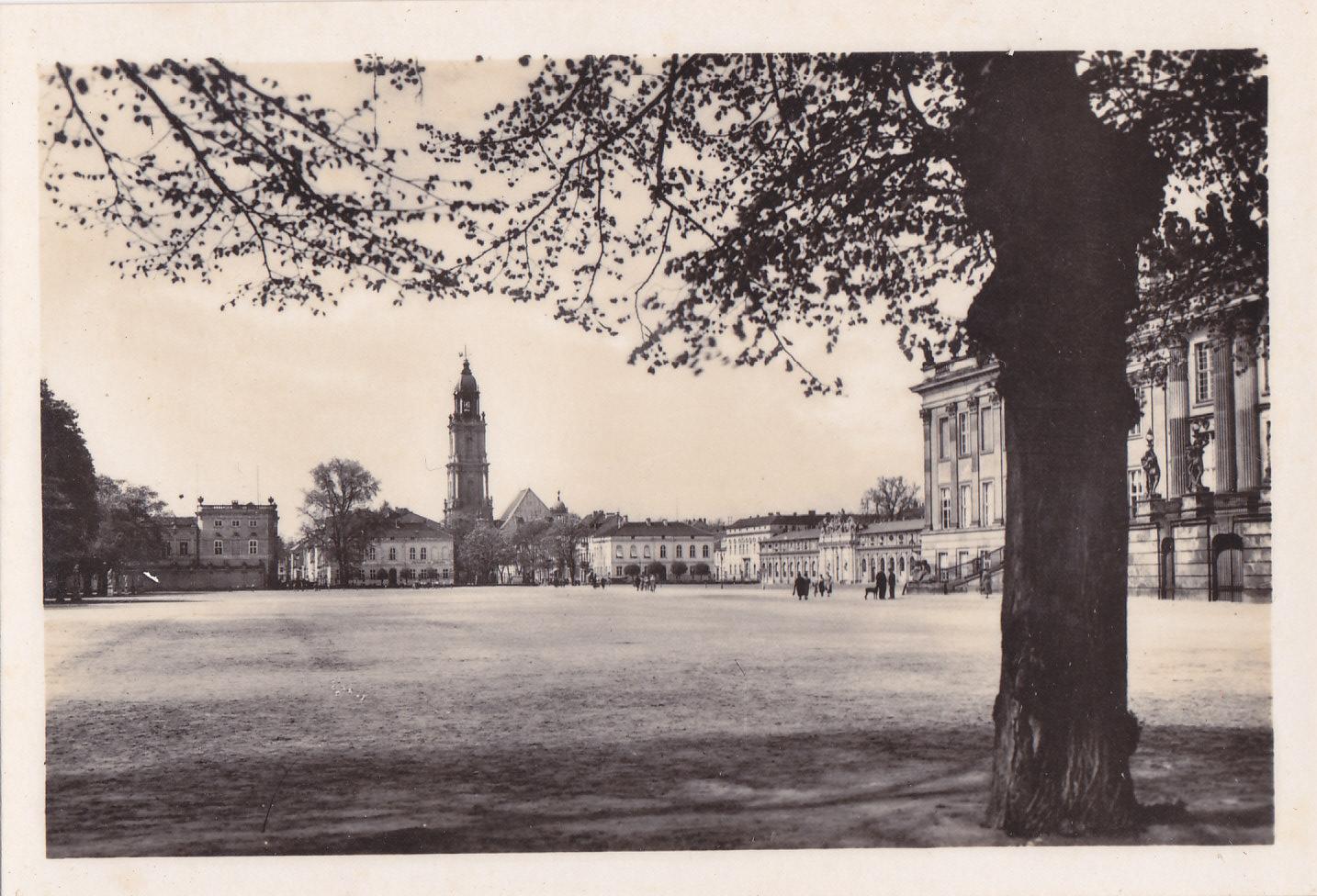
Around 1695, Friedrich I added a harbour basin for pleasure ships and further ornamental features. Later, military exercises replaced the garden’s parterres.
Friedrich II renewed the southern grounds with stone walls, balustrades and decorative elements. Peter Joseph Lenné simplified the landscape.
The Potsdam-Magdeburg railway changed the grounds in 1846, while later construction brought the Ernst-Thälmann-Stadion and Interhotel Potsdam. The Second World War marked another major transformation.
The Neptunbassin and other historical features disappeared before the area’s redesign for the Bundesgartenschau in 2001. The Neuer Lustgarten restored the Neptunbassin.
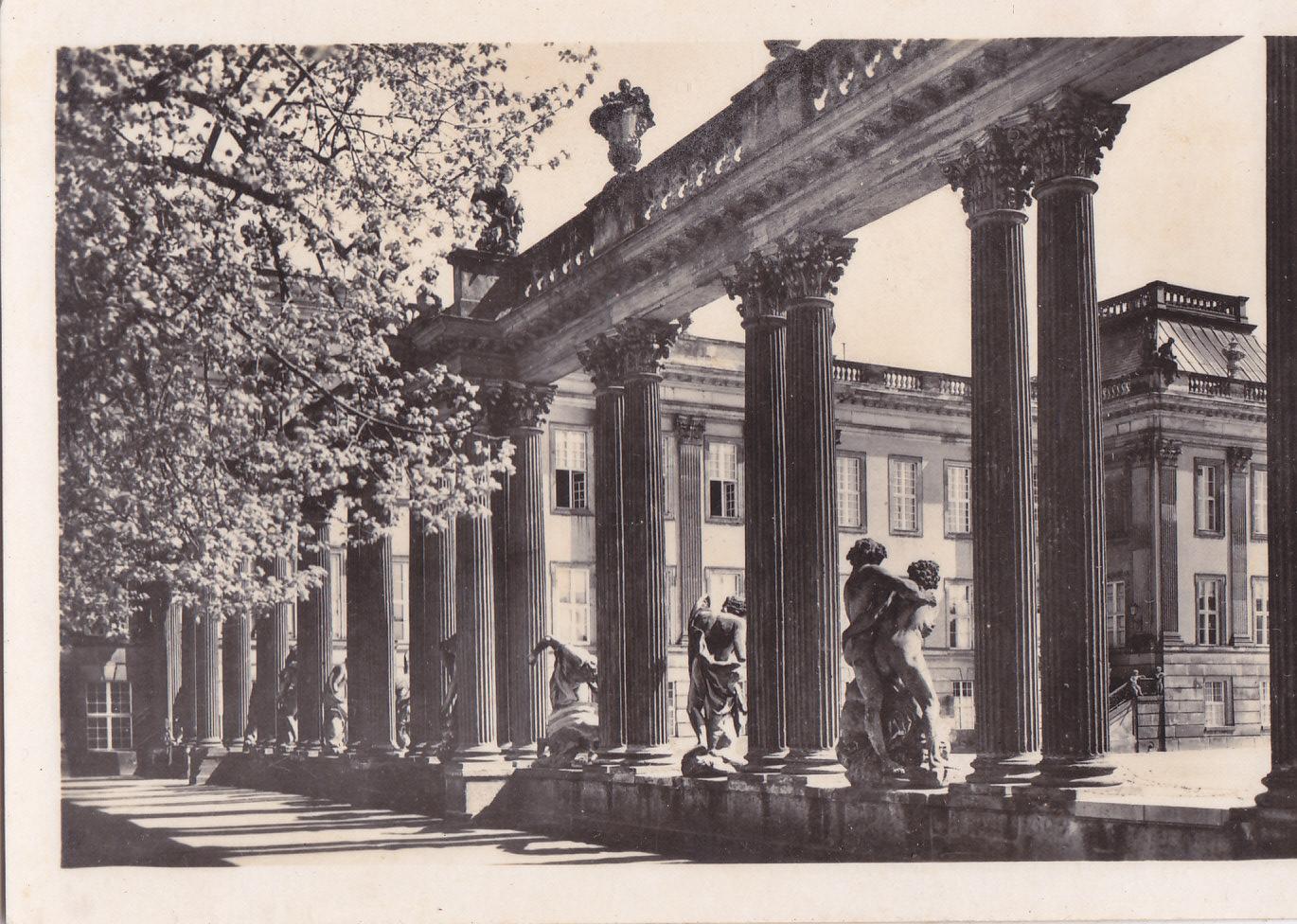
The Ringerkolonnade also returned, joining green spaces and paved areas within the present park. Events use parts of the grounds.
- City
- Potsdam
- Content updated
Take this page with you
The myTuur app is free, and once you are standing at a spot its story starts by itself.


Spots like this one are the stops myTuur strings into tours through Potsdam. In the app, each story begins where you stand: walk up to a spot and it starts, read it on screen or listen as you go, then follow the route to the next one.
What is myTuur?
myTuur is a free city-guide app. Its tours are built from spots, and each spot carries a story that starts when you get there, to read or to listen to as you like.