Nr. 27: Mann og kvinne
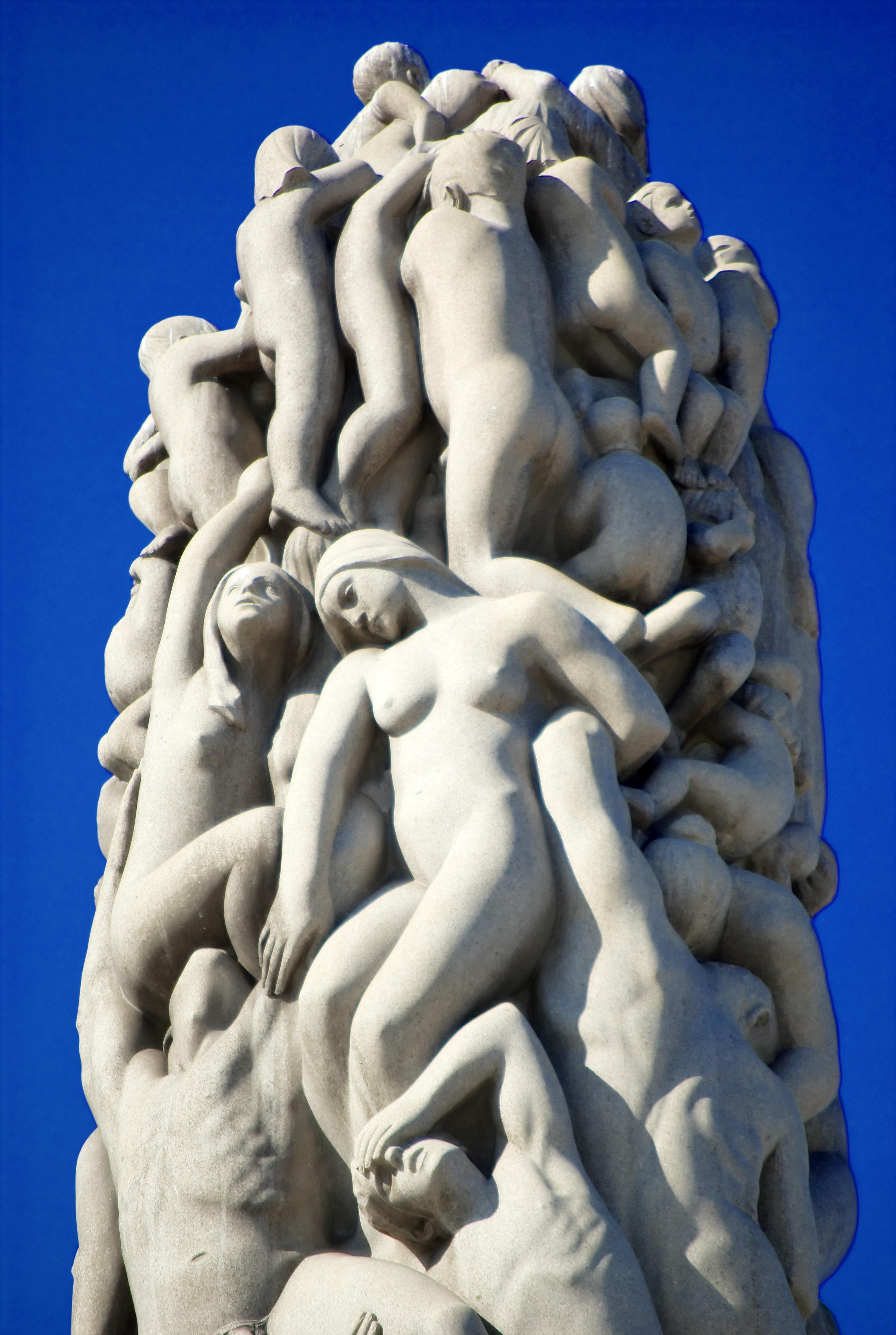
Nr. 27: Mann og kvinne stands in Oslo as a sculpture by Gustav Vigeland, a central figure in Norway’s public art. The figures bring two people together through posture, touch, and physical tension. Their simplified bodies focus your attention on gestures rather than individual features or strict anatomical detail. Vigeland used human forms to explore love, conflict, tenderness, and the ways people respond to one another.
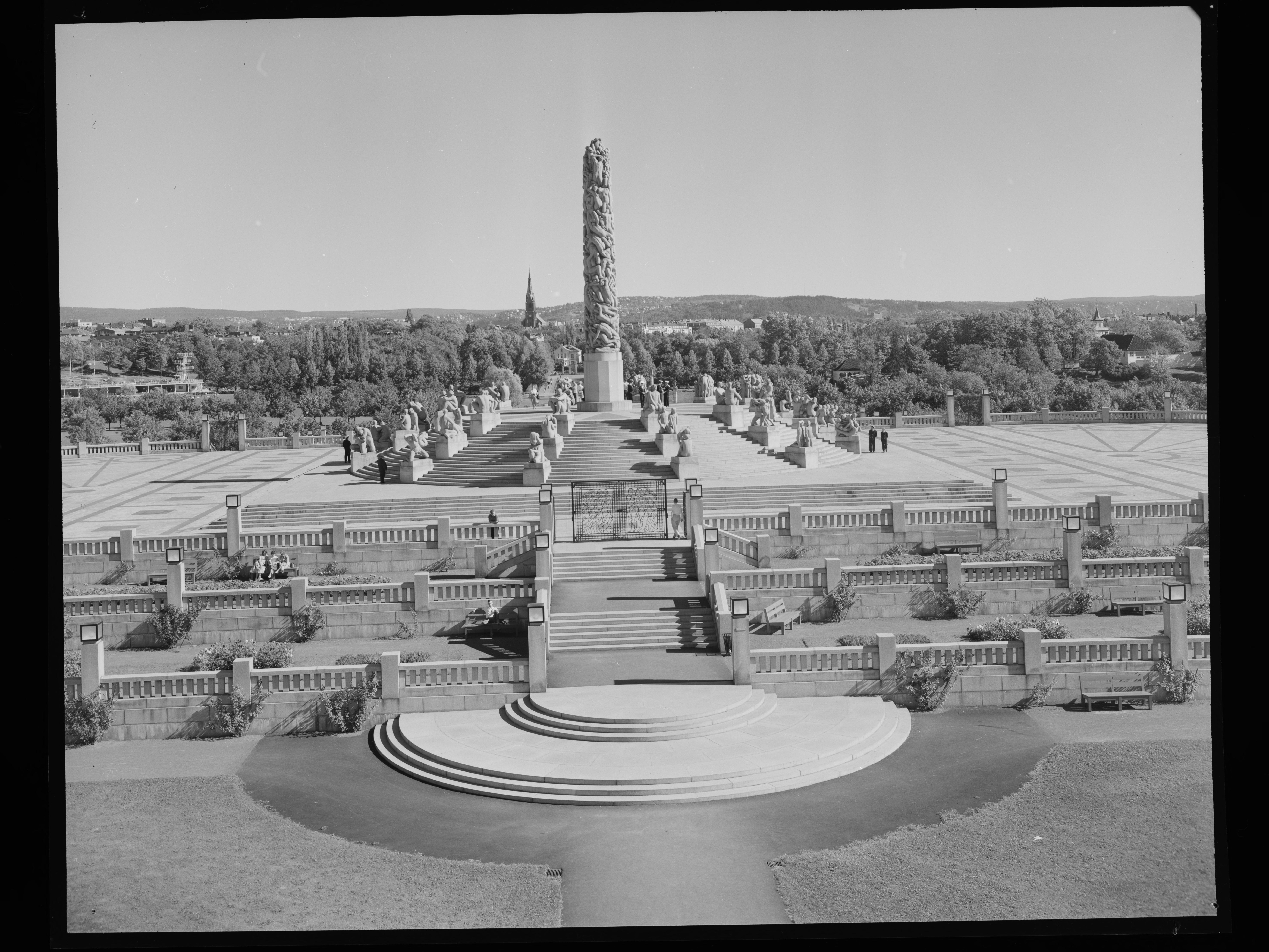
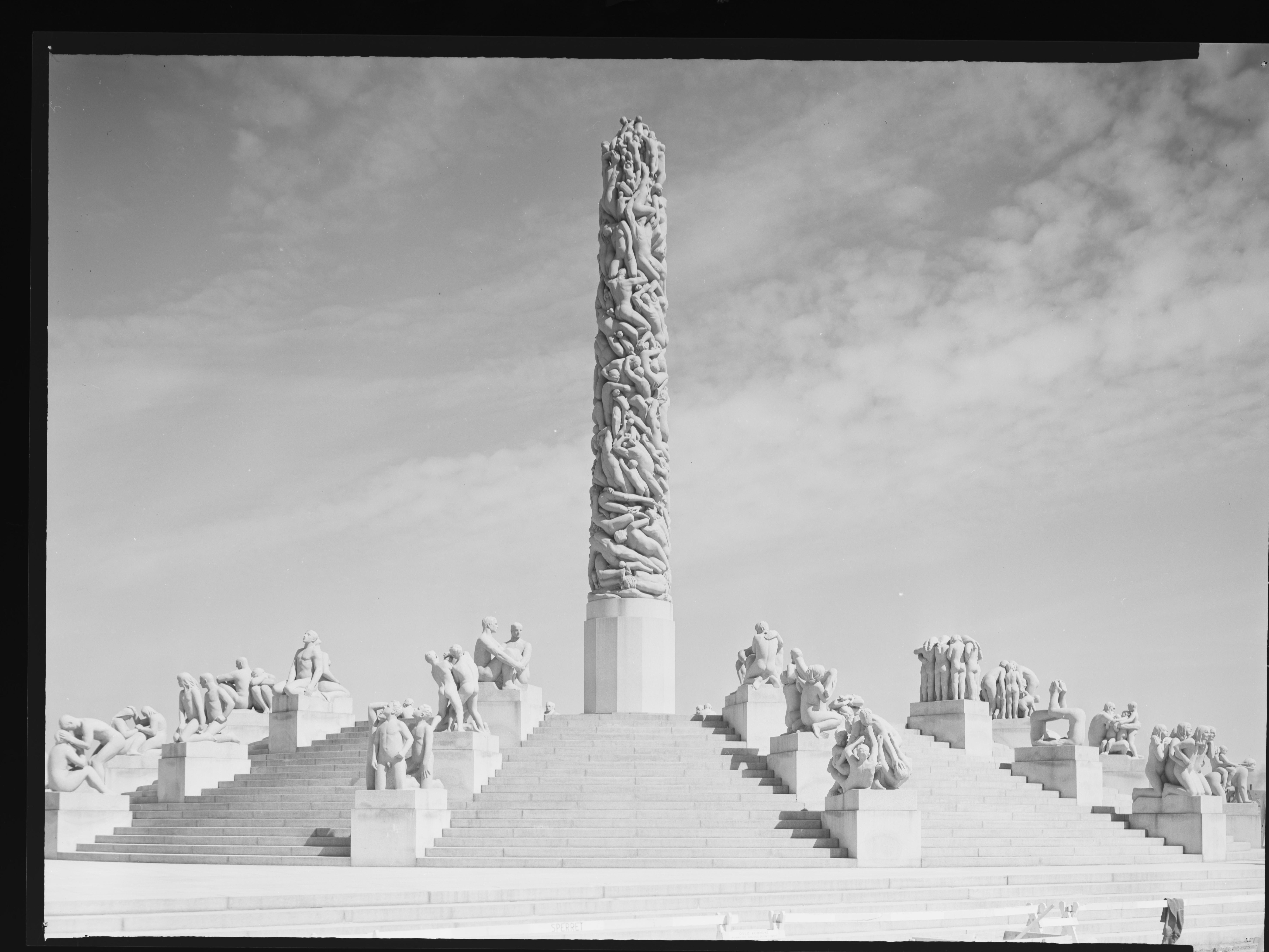
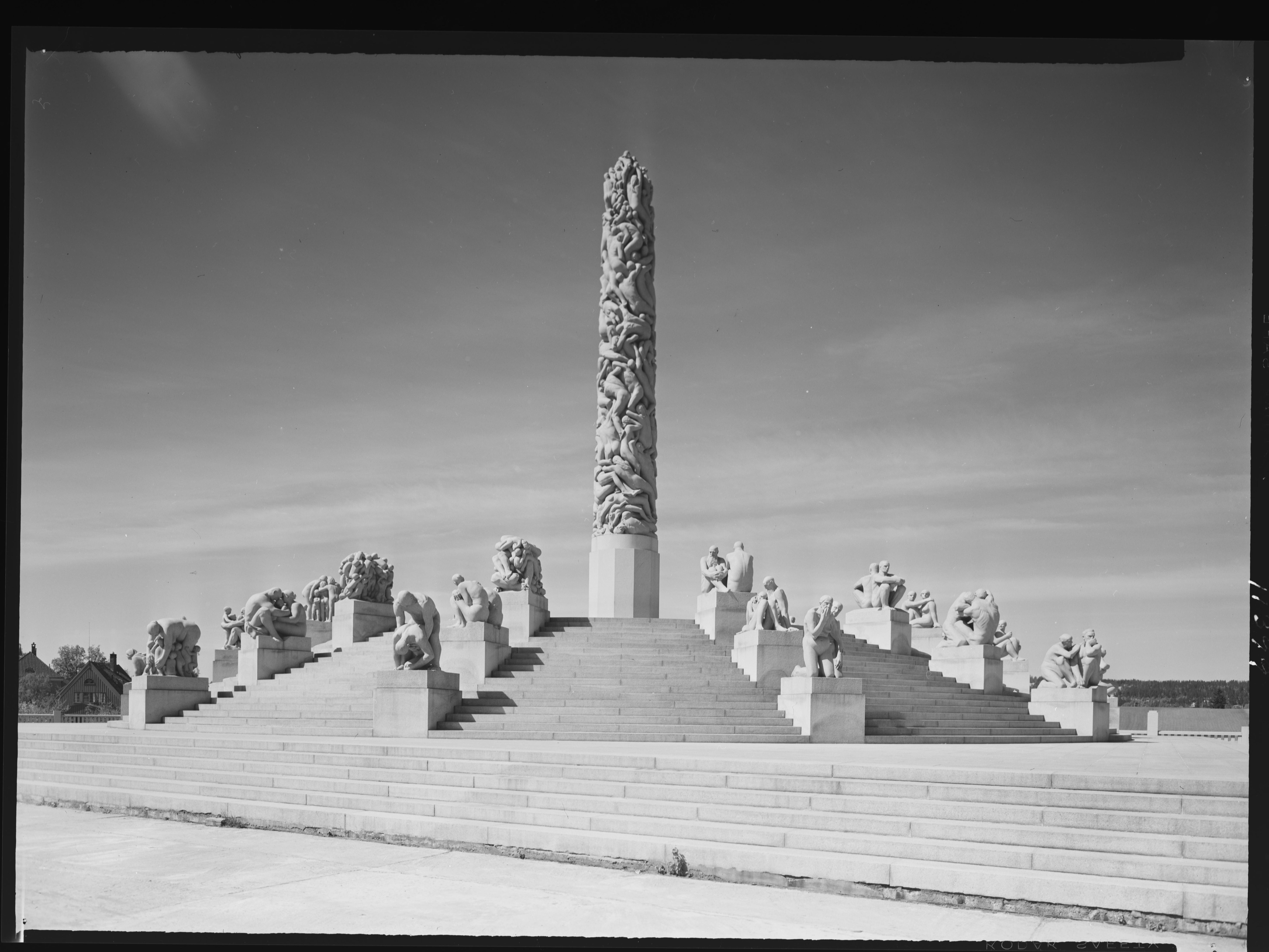
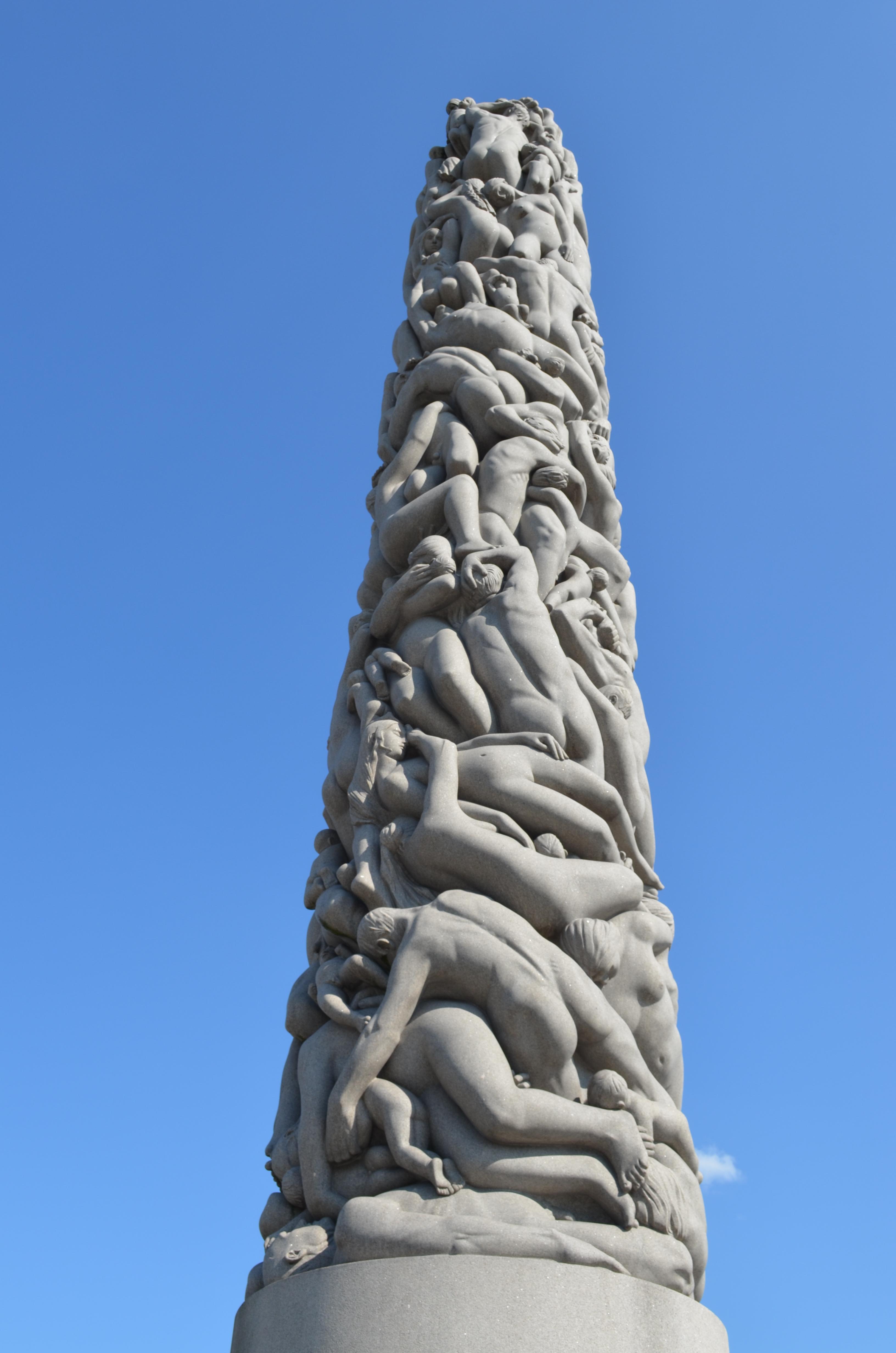
His work reflects an interest shaped by Gothic art and architecture, which he studied during travels in France and England. He also worked on restoration at Nidaros Cathedral. Those experiences encouraged him to bend and move bodies so that feeling could lead the composition. The same approach connects this sculpture with the Vigeland installation in Frogner Park, where figures trace human relationships across ages and situations. Vigeland’s sculptures became part of Oslo’s everyday public spaces, bringing large questions about connection into direct view. Here, the lasting detail is the exchange between two bodies, carried by leaning, contact, and the space between them.
- City
- Oslo
- Content updated
Take this page with you
The myTuur app is free, and once you are standing at a spot its story starts by itself.


Spots like this one are the stops myTuur strings into tours through Oslo. In the app, each story begins where you stand: walk up to a spot and it starts, read it on screen or listen as you go, then follow the route to the next one.
What is myTuur?
myTuur is a free city-guide app. Its tours are built from spots, and each spot carries a story that starts when you get there, to read or to listen to as you like.