St. Egidien
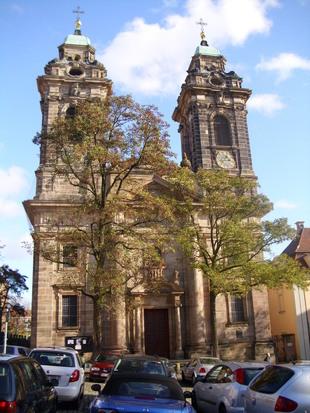
St. Egidien stands in Nuremberg as a church shaped by centuries of religious and architectural change. The site began with a Romanesque three-aisled basilica around 1120 or 1130, linked to the northern royal court.
Emperor Conrad III and Gertrud raised it to a Benedictine abbey in 1140, with monks arriving from Regensburg and Würzburg. A fire in July 1696 destroyed the church, and Johann and Gottlieb Trost began the Baroque rebuilding in 1711. Donato Polli added stucco, while Daniel Preisler and Johann Martin Schuster created the frescoes. War damage later affected the roof and outer walls, and Rudolf Gröschel led reconstruction between 1946 and 1959.
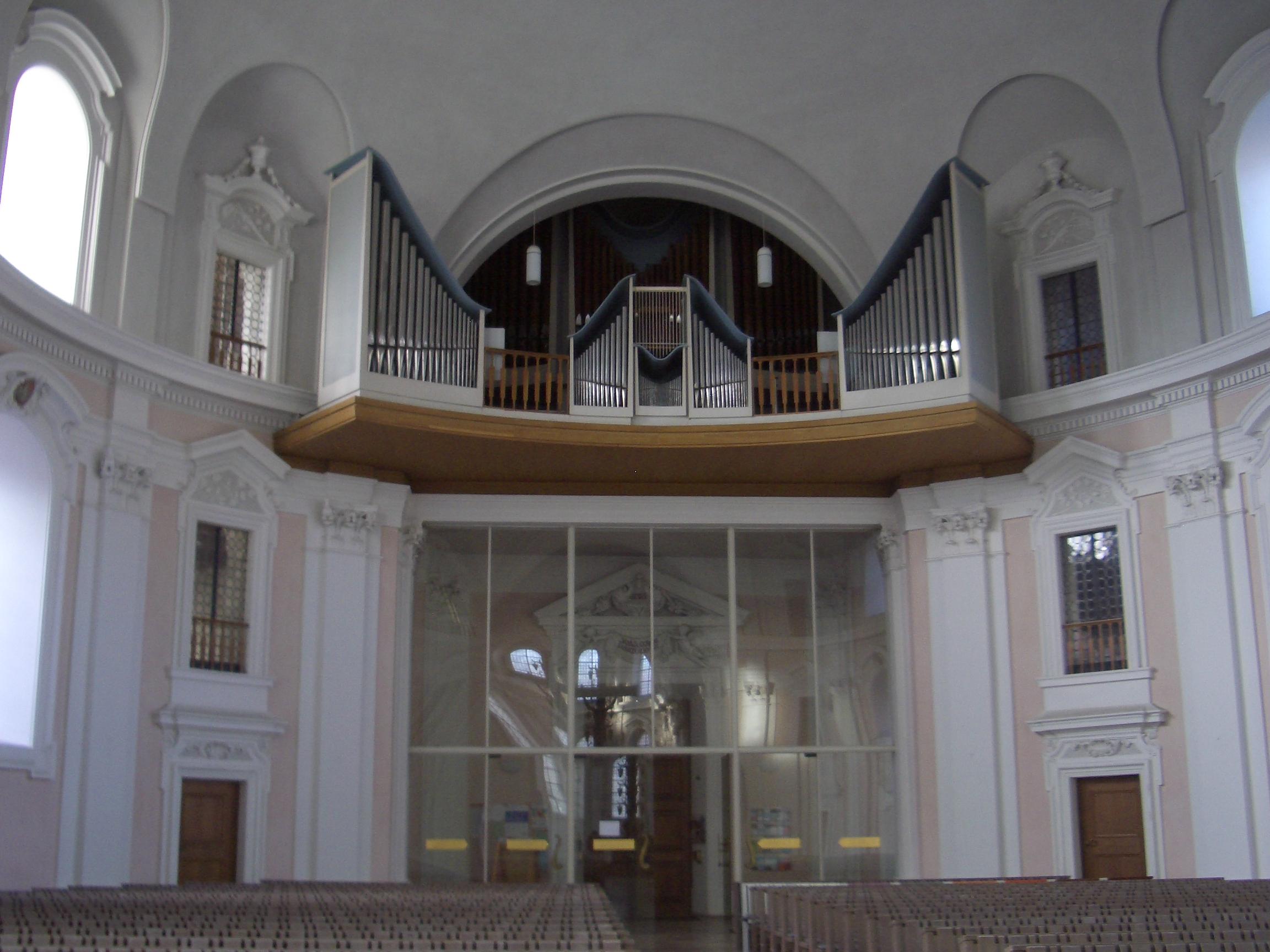
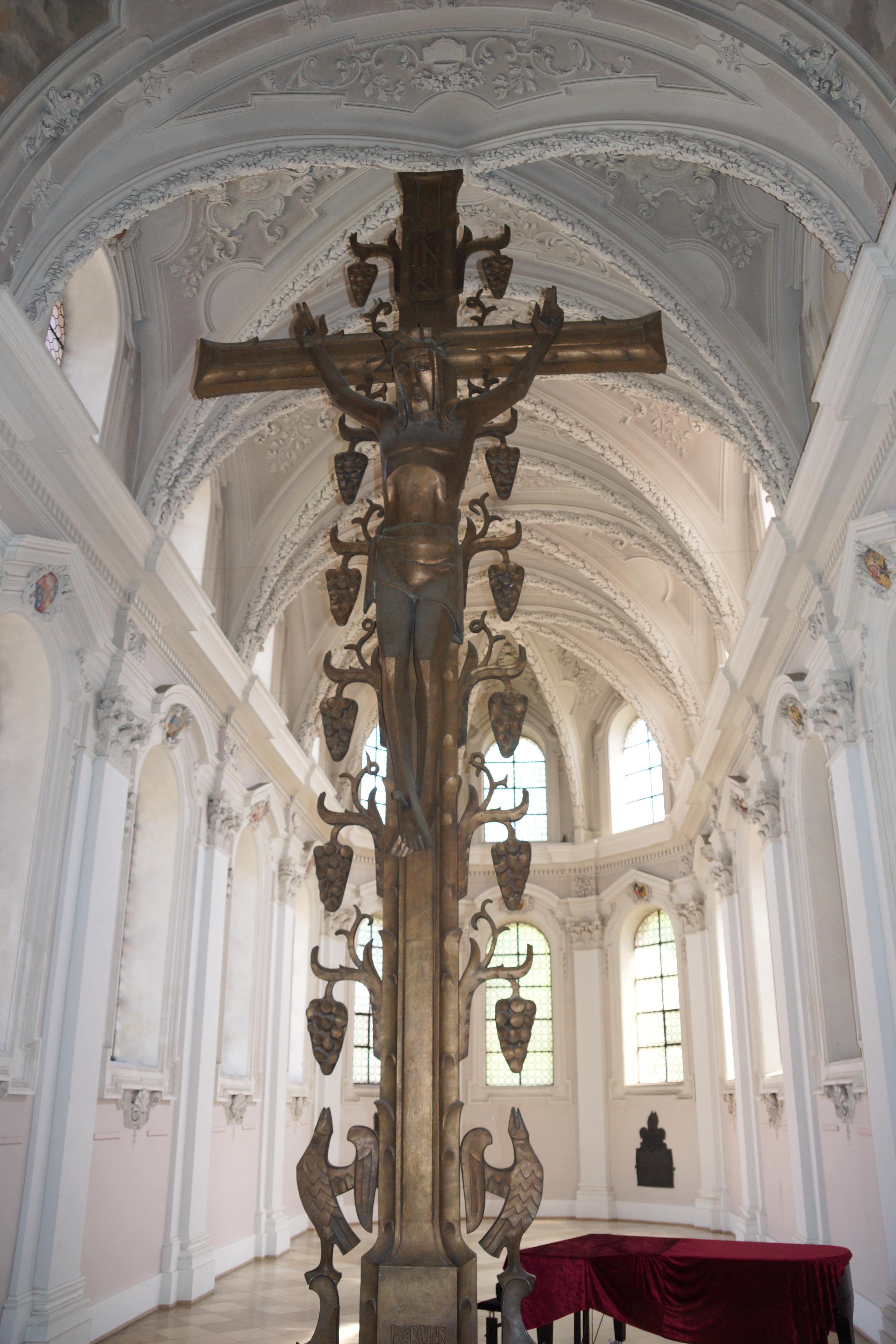
Inside, a plain white nave contrasts with an elaborately decorated apse and a bronze crucifix whose branching form resembles grape clusters. Six bells fill the towers, while the 1963 organ by Rieger Orgelbau brings three manuals and 43 stops to the church’s musical tradition.
- City
- Nuremberg
- Content updated
Take this page with you
The myTuur app is free, and once you are standing at a spot its story starts by itself.


Spots like this one are the stops myTuur strings into tours through Nuremberg. In the app, each story begins where you stand: walk up to a spot and it starts, read it on screen or listen as you go, then follow the route to the next one.
What is myTuur?
myTuur is a free city-guide app. Its tours are built from spots, and each spot carries a story that starts when you get there, to read or to listen to as you like.