Yacimiento Arqueológico del Rectorado de la Universidad de Málaga
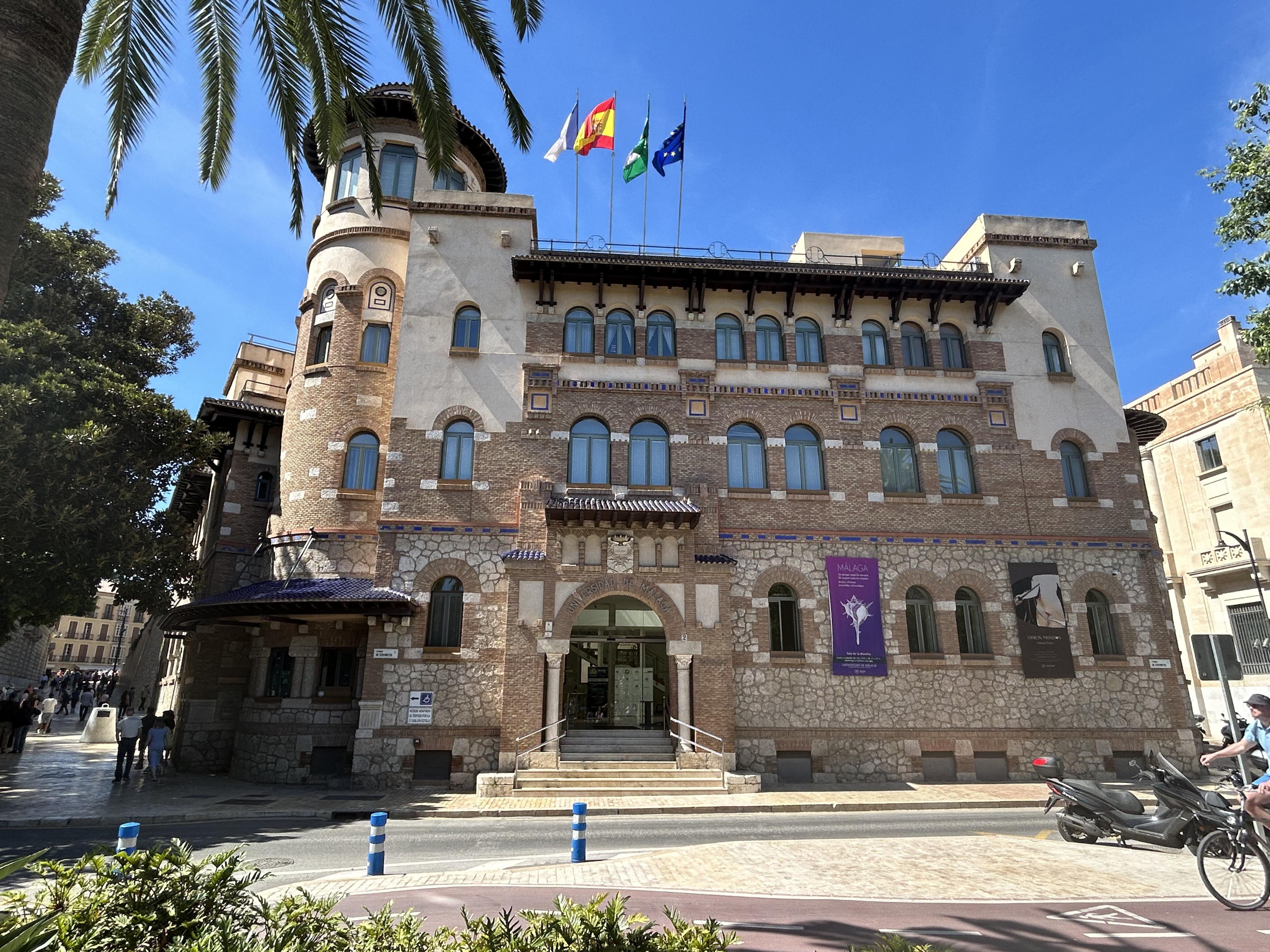
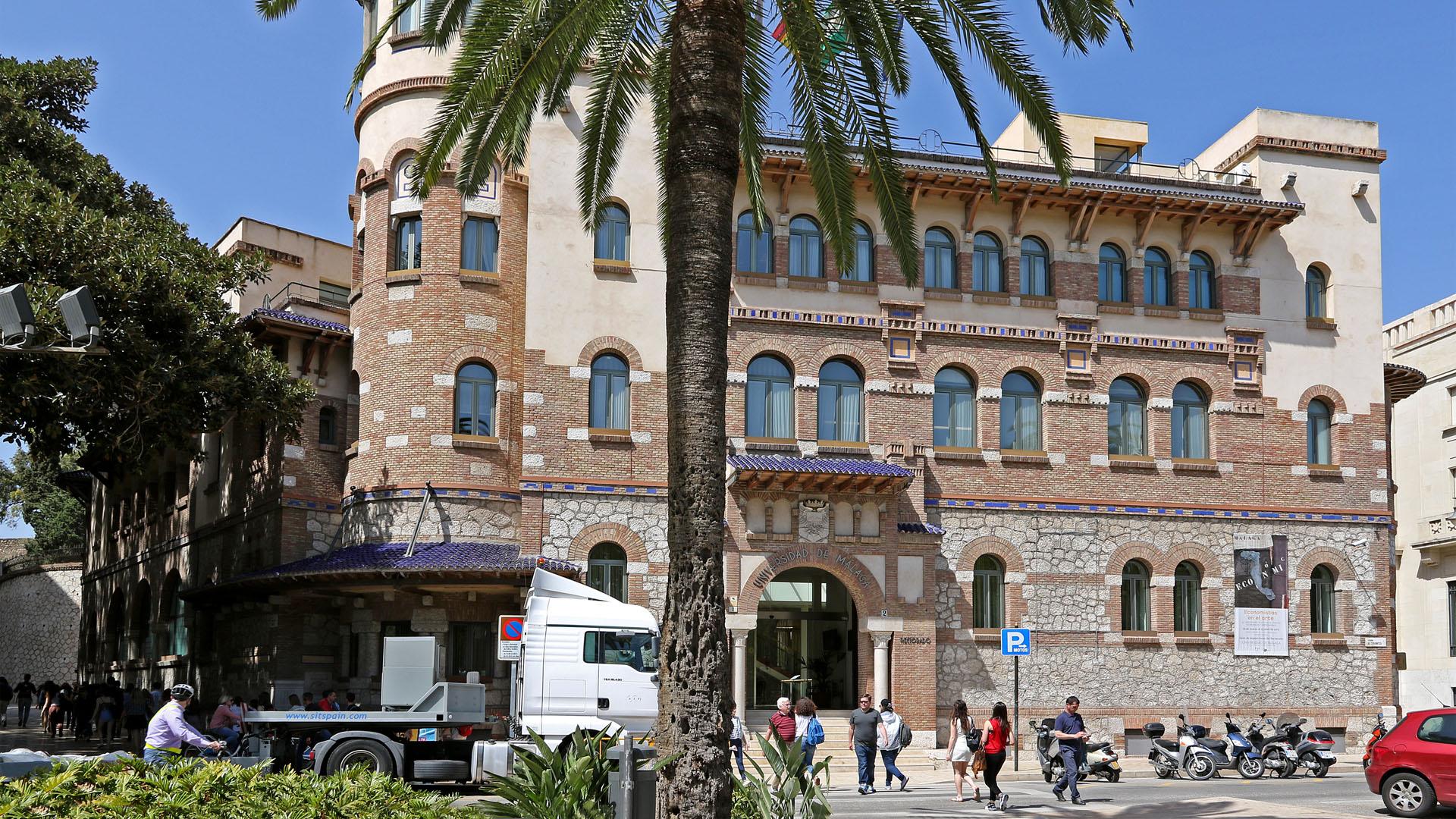
The Yacimiento Arqueológico del Rectorado de la Universidad de Málaga occupies the former Casa de Correos y Telégrafos, today the university's rectorate. Excavation came with the rehabilitation works that turned the building to that use. The dig reached Phoenician layers holding materials older than the sixth century B.C., long the accepted date for the founding of Malaka. The site is accessible for wheelchair users.
Researchers from the University of Málaga have since analysed the deepest levels and pushed the city's Phoenician origins back to the mid-seventh century B.C. That makes these materials the oldest known from Phoenician Málaga. Ceramic tableware, bones and marine shells formed the study's material. The team set them against finds from Cerro del Villar and the Castillo de Doña Blanca in Cádiz province. Carbon fourteen dating, carried out with an American laboratory, anchored the revised chronology. Fragments of a Greek amphora show the Phoenicians importing oil from the central Mediterranean.
A single handmade pot carries the most human part of the story. It points to local people, women above all, cooking inside the Phoenician community. Culinary traditions of this kind let researchers trace how the two populations merged, one meal at a time.
- City
- Malaga
- Content updated
Take this page with you
The myTuur app is free, and once you are standing at a spot its story starts by itself.


Spots like this one are the stops myTuur strings into tours through Malaga. In the app, each story begins where you stand: walk up to a spot and it starts, read it on screen or listen as you go, then follow the route to the next one.
What is myTuur?
myTuur is a free city-guide app. Its tours are built from spots, and each spot carries a story that starts when you get there, to read or to listen to as you like.