Mesón de la Victoria
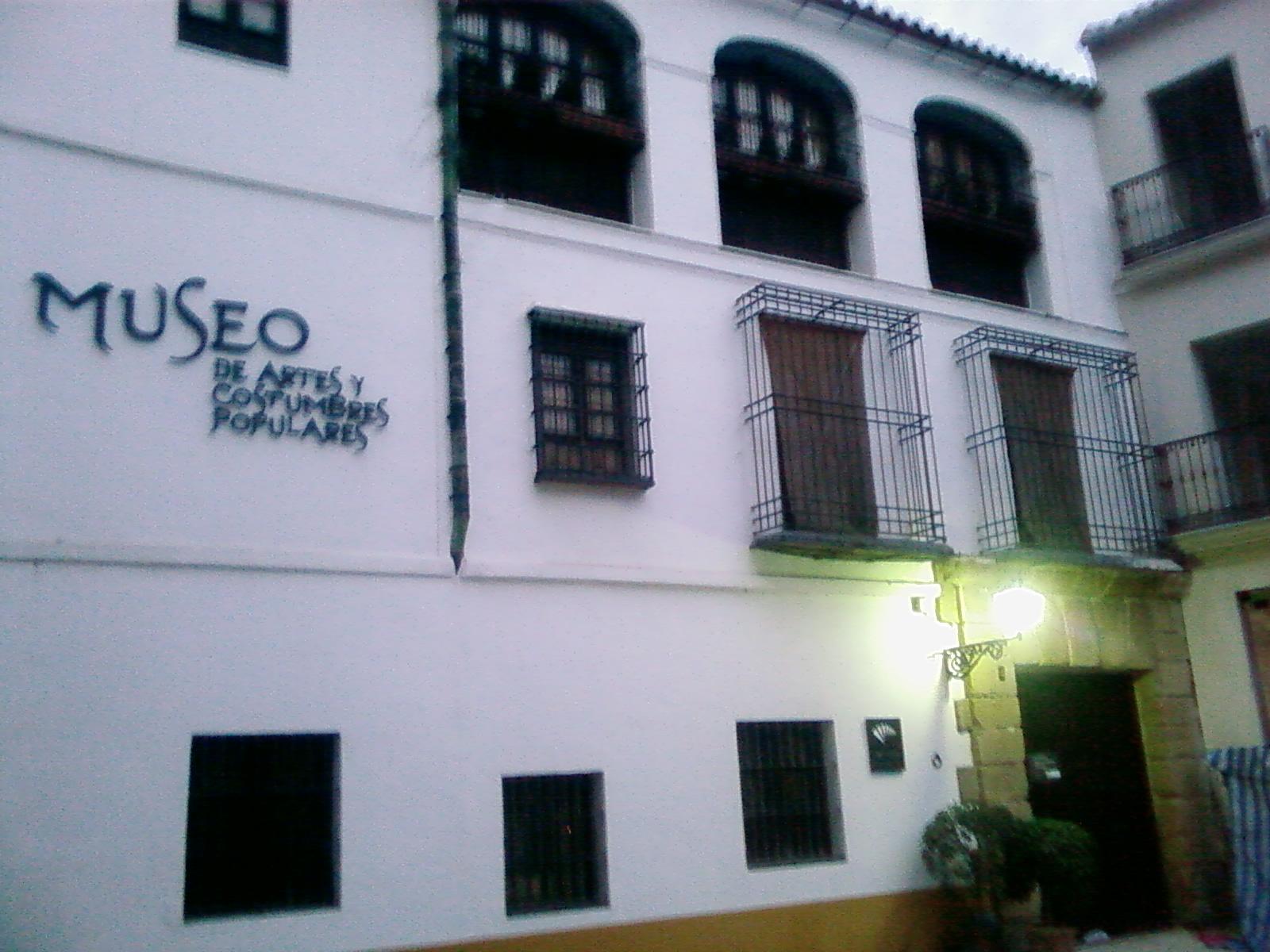
In the historic centre of Málaga stands the Mesón de la Victoria, raised in 1632 as an inn. Diego Delgado drew the plans, and the Franciscan friars of the Convent of La Victoria ran the house. The building changed little until the twentieth century, and much of that early shape survives.
In the 1970s the Caja de Ahorros de Málaga, today Unicaja, bought it for the Museo de Artes y Costumbres Populares. The museum walks you through the trades and popular traditions of the region, rural life beside urban life. A central courtyard organises the house across three floors. Stables and storerooms held the ground level, living quarters the one above, and the top floor keeps a gallery facing Calle Camas. Nineteen rooms carry the collection, and you step into a traditional bakery, an olive oil mill or a bourgeois home's study. The Díaz de Escovar archive adds documents from the nineteenth and twentieth centuries. Baltasar Peña Hinojosa and Enrique García Herrera of the San Telmo Academy supplied the first collections.
Juan Temboury and the Royal Academy of San Fernando in Madrid secured the building's cultural heritage declaration in 1964. The museum's subject is the ethnography and ethnology of Málaga, the story of how people there lived. Among the kitchen chimneys and Málaga pottery hangs a sardine fishing net.
- City
- Malaga
- Content updated
Take this page with you
The myTuur app is free, and once you are standing at a spot its story starts by itself.


Spots like this one are the stops myTuur strings into tours through Malaga. In the app, each story begins where you stand: walk up to a spot and it starts, read it on screen or listen as you go, then follow the route to the next one.
What is myTuur?
myTuur is a free city-guide app. Its tours are built from spots, and each spot carries a story that starts when you get there, to read or to listen to as you like.