Cementerio Histórico de San Miguel
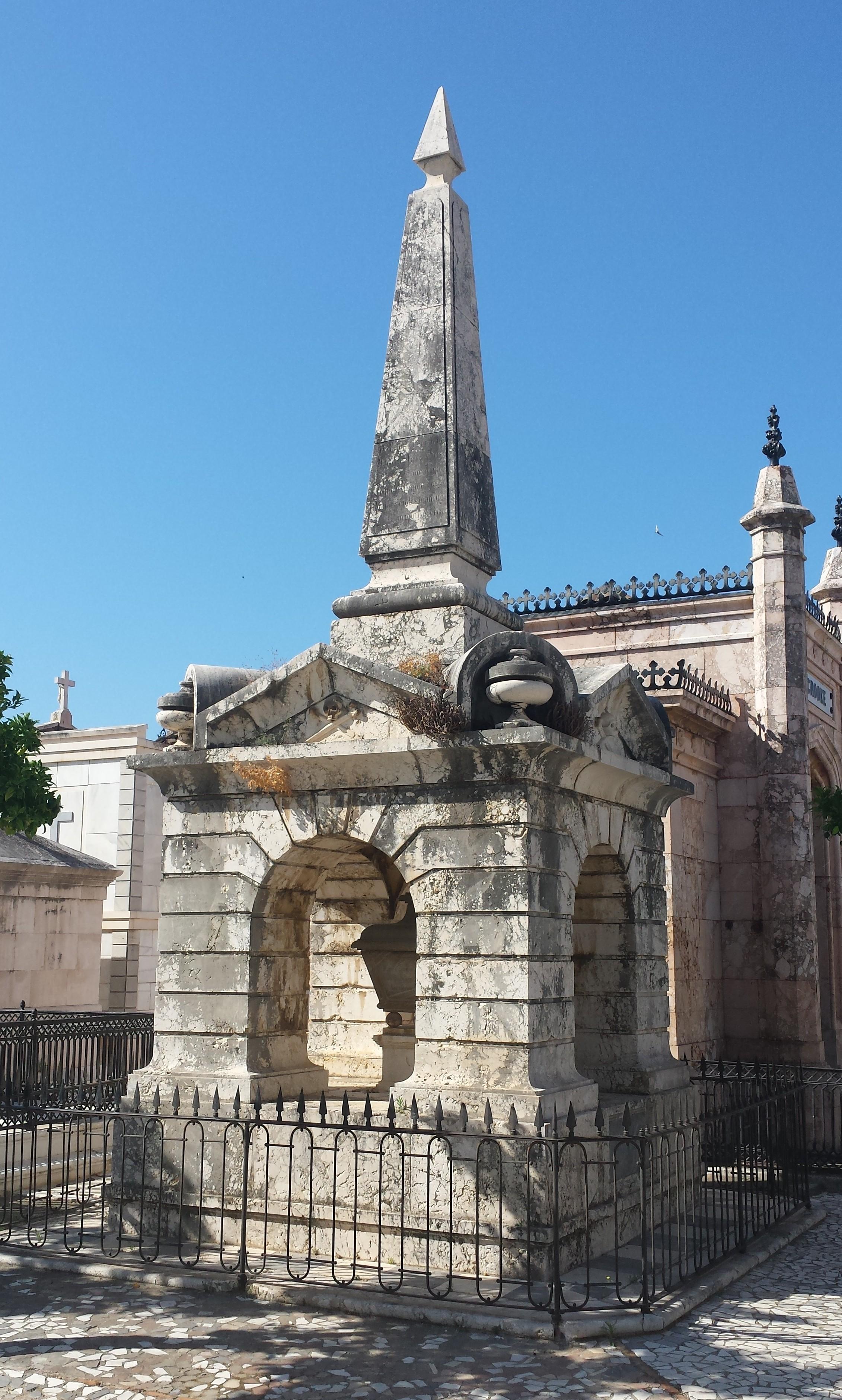
The Cementerio Histórico de San Miguel lies in Málaga and counts among the main monumental cemeteries in Spain. The grounds have taken burials since the early nineteenth century, and they survive almost entirely intact. King Carlos III banned burials in churches and convents in 1787, yet Málaga only acted when yellow fever struck in 1804. The cemetery opened on 1 July 1810 under the patronage of the archangel Saint Michael. Brotherhoods and guilds finished the enclosing wall in 1829.
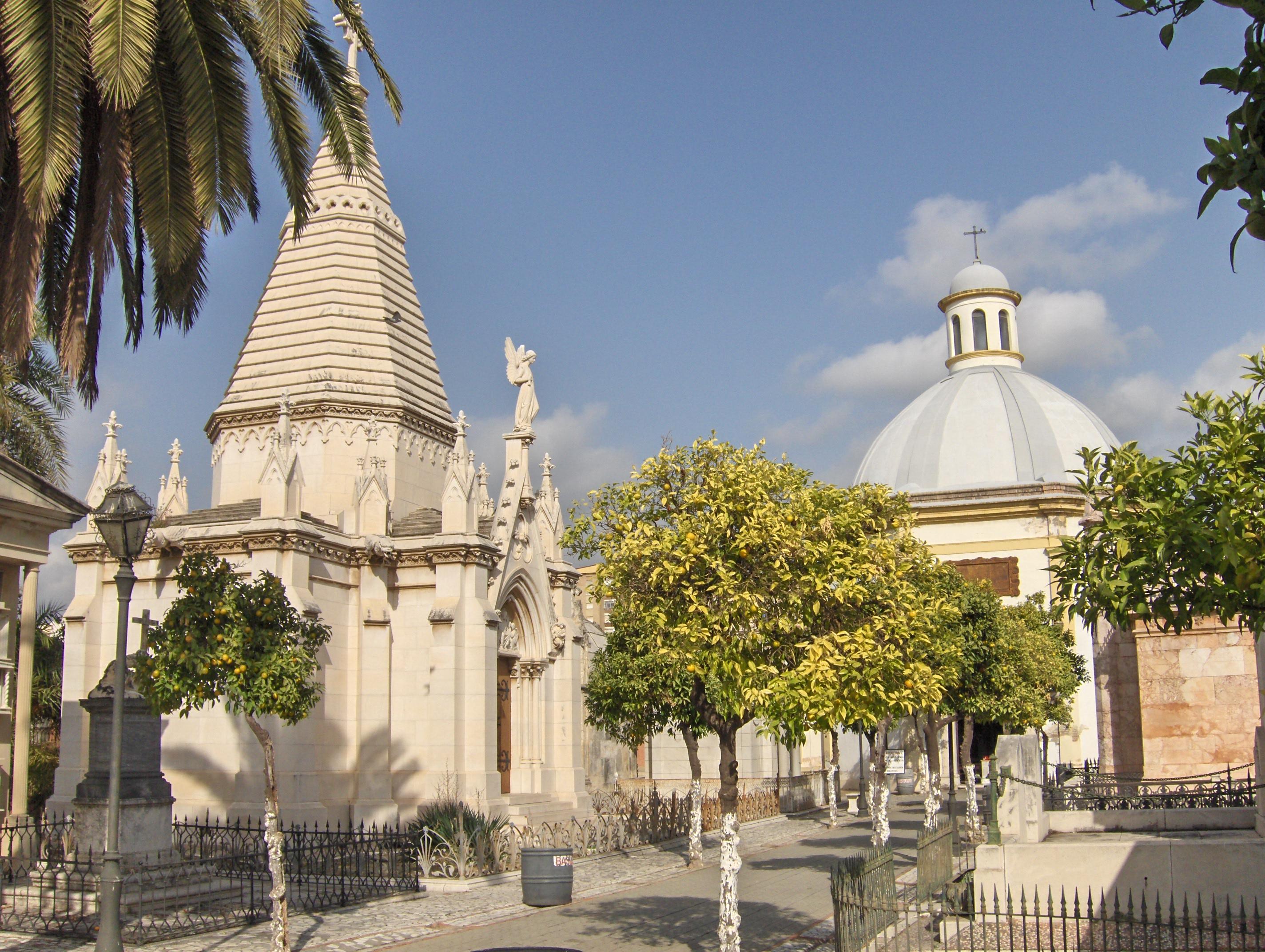
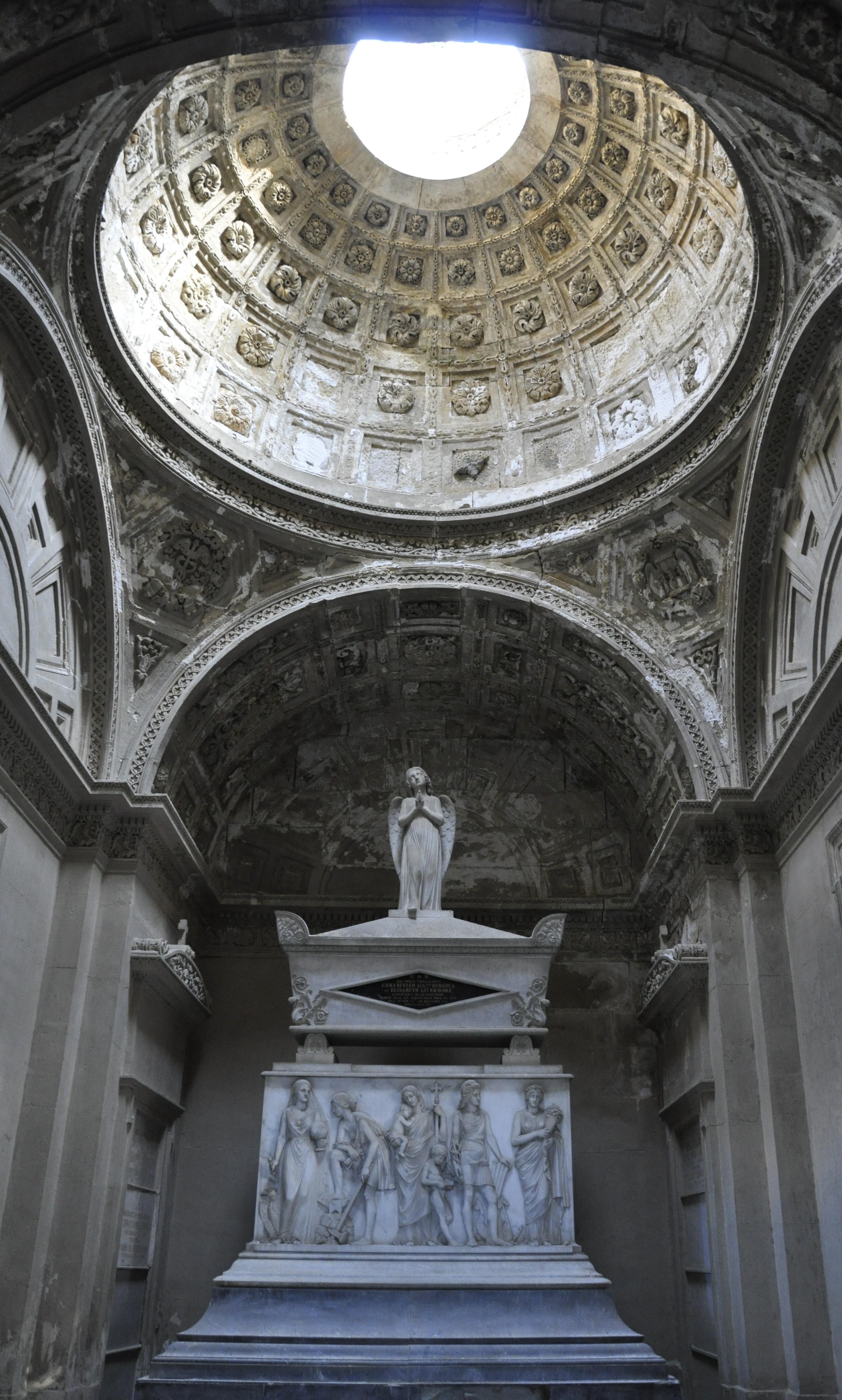
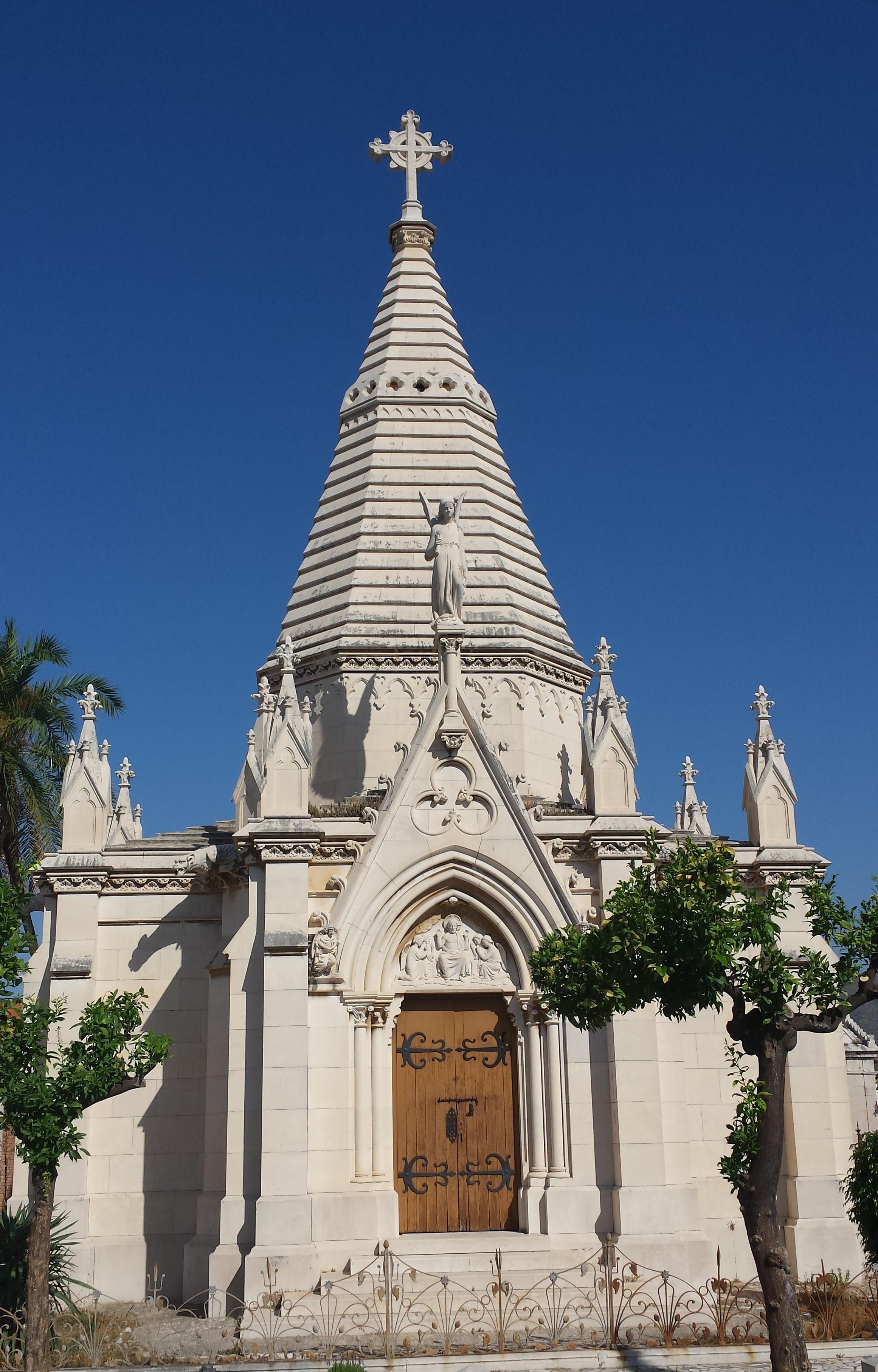
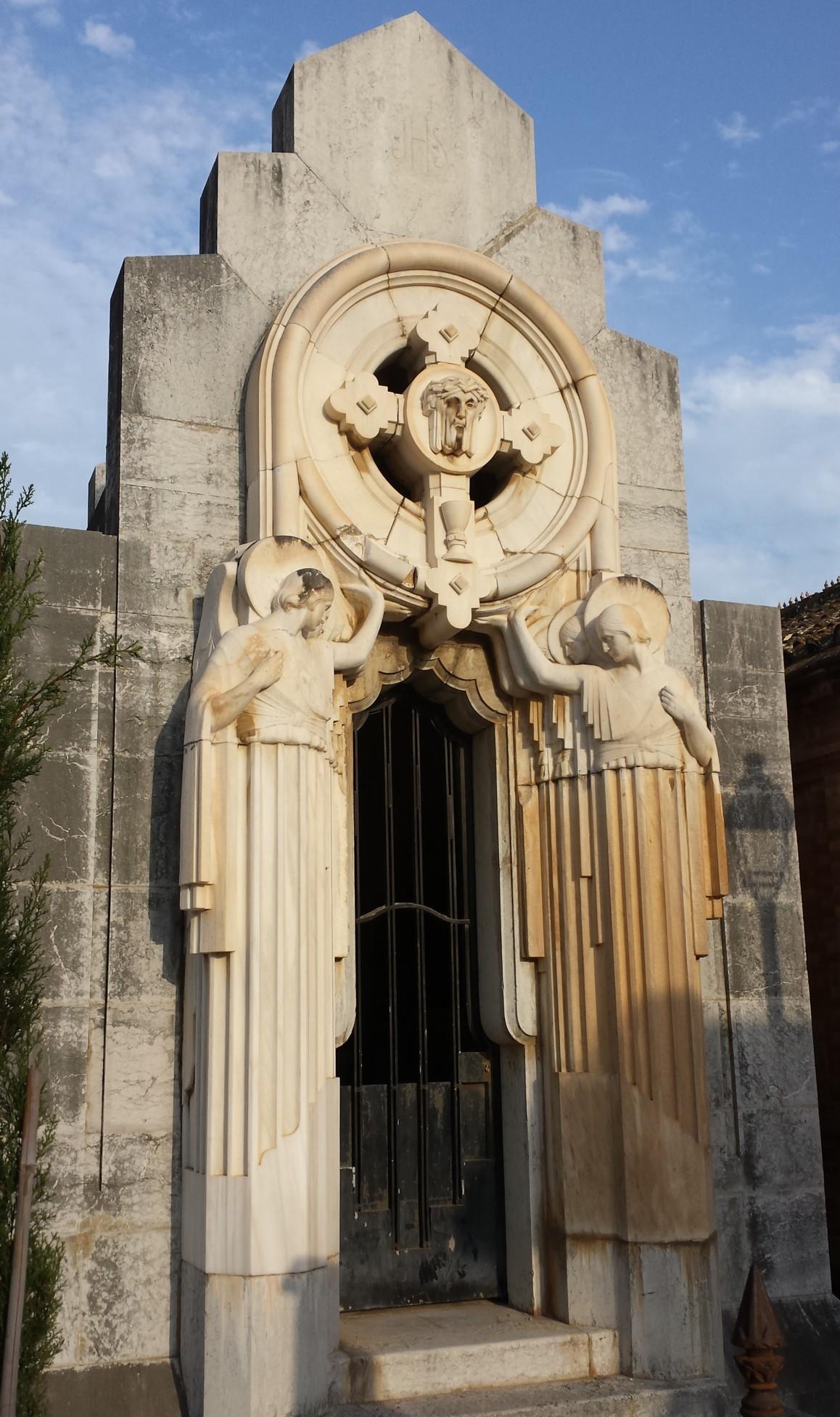
Neoclassical architecture shapes everything, from the chapel to the pantheons of notable figures from Málaga's nineteenth and twentieth centuries. The first mausoleum went up in 1844 in memory of Salvador Barroso, and some 250 others followed in historicist or eclectic styles. Architects Rafael Mitjana and José Trigueros contributed designs, while the sculptor Lorenzo Bartolini created significant works. The Heredia pantheon imitates a classical Doric temple, and the Larios mausoleum rises in neo-Gothic style. The grounds received the liberal general José María de Torrijos in 1831.
Urban expansion closed the cemetery in 1987, and the site later served as a columbarium. A project began in 2000 to turn the empty areas into a park. The General Catalog of Andalusian Historical Heritage listed it in 2015. The chapel attributed to Rafael Mitjana remains the centrepiece: circular inside, octagonal outside, and closed by a slightly pointed dome.
- City
- Malaga
- Content updated
Take this page with you
The myTuur app is free, and once you are standing at a spot its story starts by itself.


Spots like this one are the stops myTuur strings into tours through Malaga. In the app, each story begins where you stand: walk up to a spot and it starts, read it on screen or listen as you go, then follow the route to the next one.
What is myTuur?
myTuur is a free city-guide app. Its tours are built from spots, and each spot carries a story that starts when you get there, to read or to listen to as you like.