Otomana
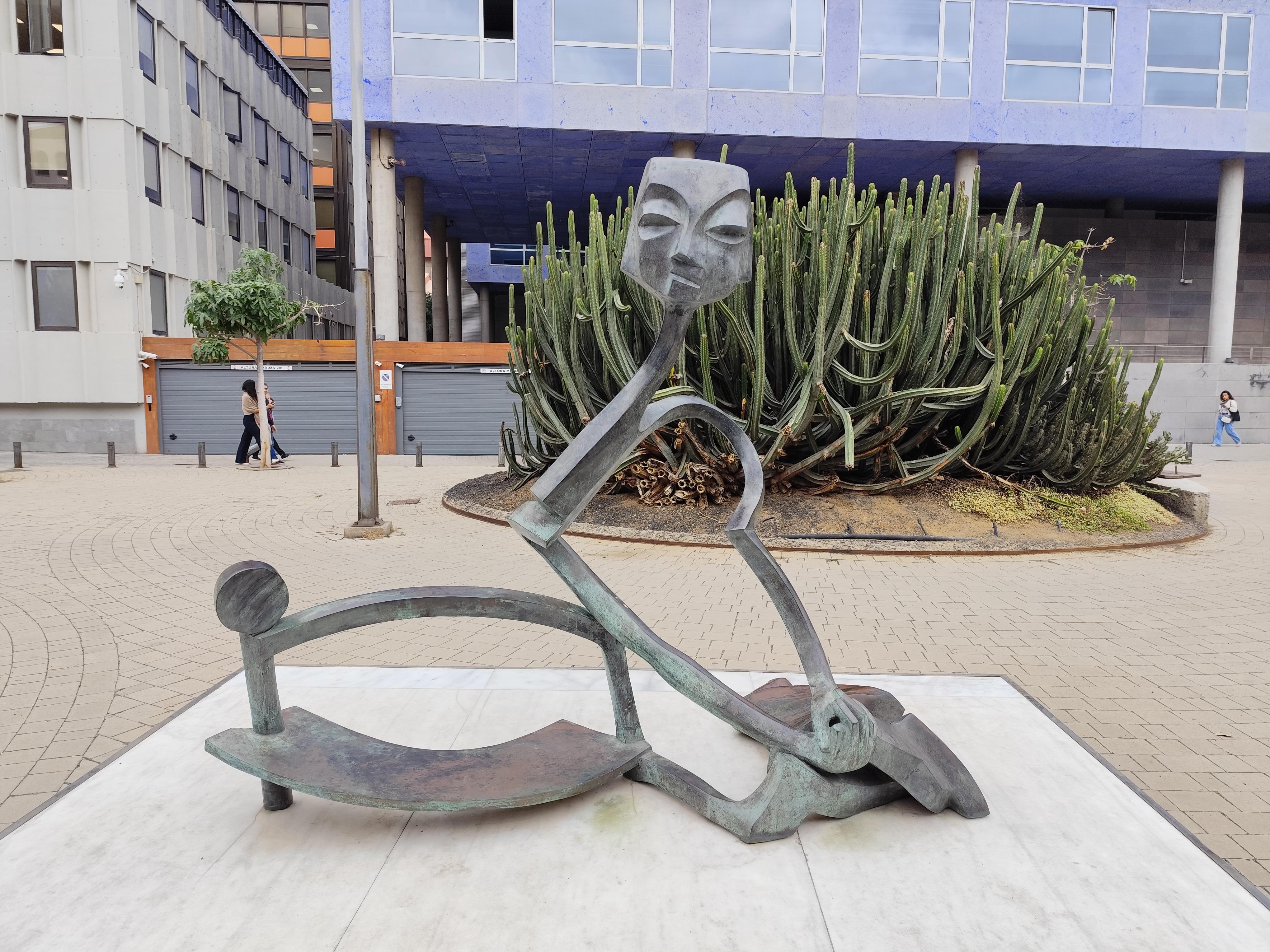
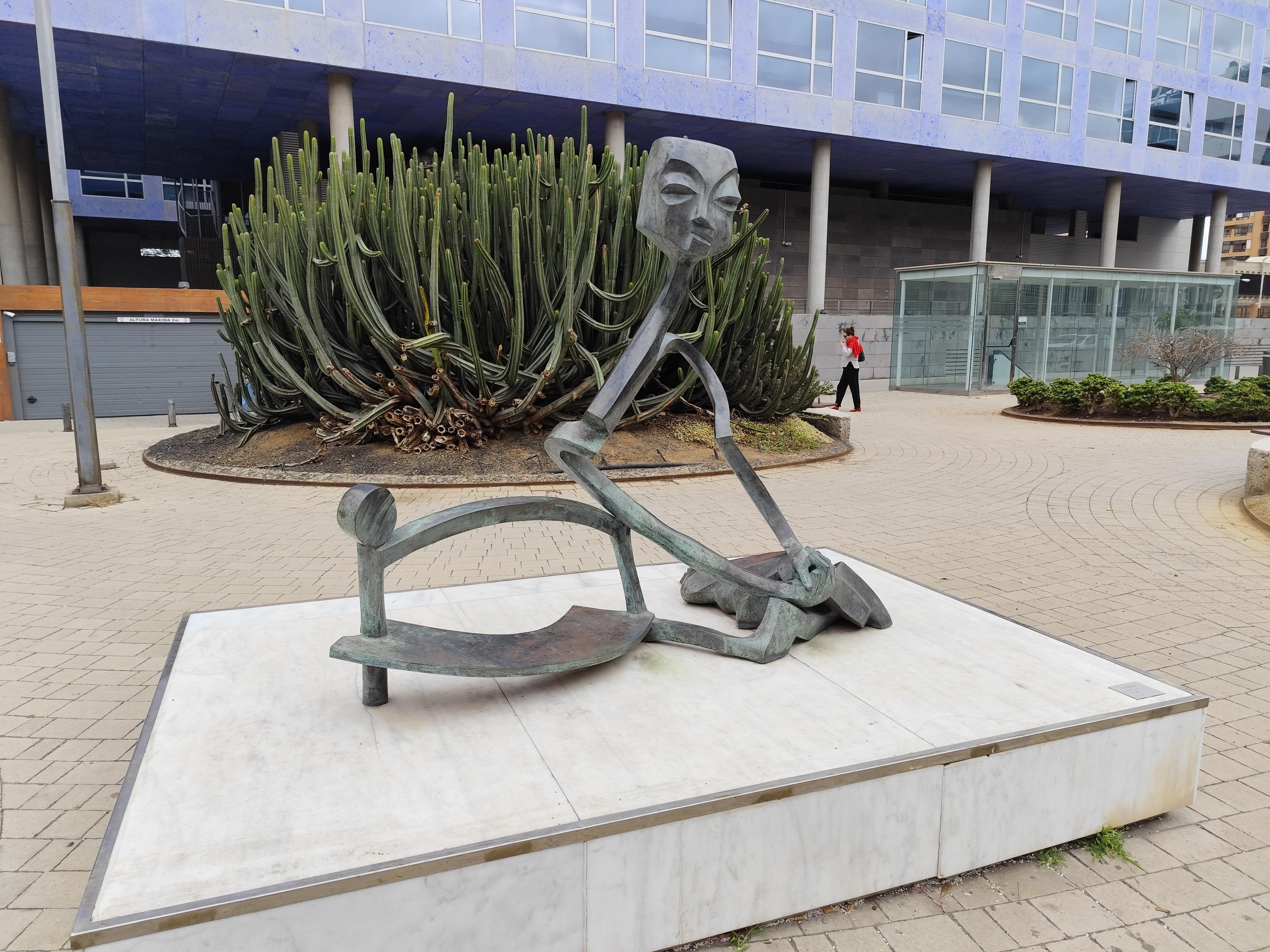
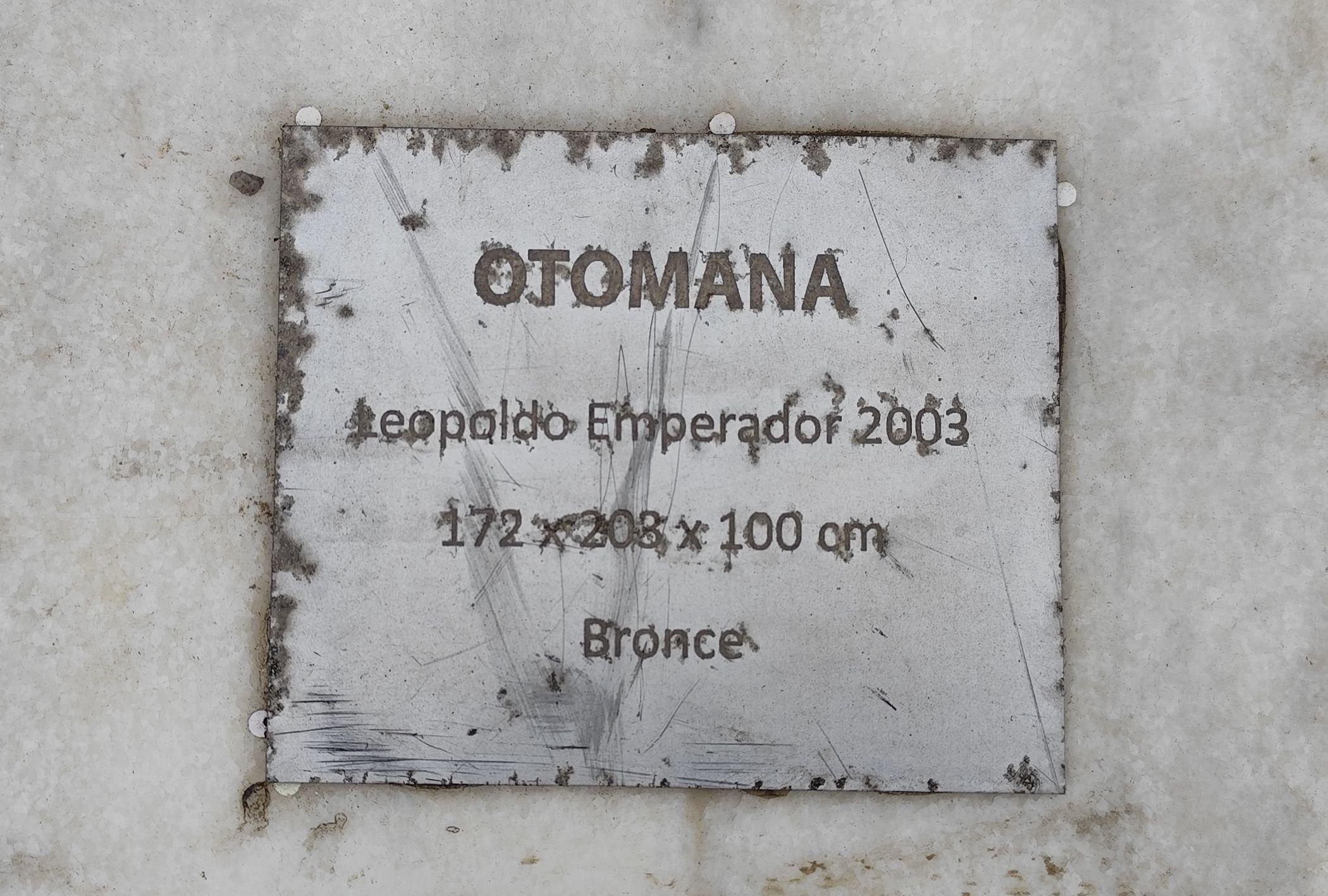
Otomana occupies the centre of the Plaza de los Derechos Humanos in Spain as a bronze sculpture. Its open bronze structure frames both air and sky.
Leopoldo Emperador cast the work in bronze, balancing solid mass against deliberate hollows and broad apertures. The bronze surface shows patina and traces of the tools used to shape it. From close range, the sculpture reveals edges, planes, and gaps within its heavy material. Light shifts across those surfaces and enters the recessed spaces.
From several steps away, Otomana becomes a changing arrangement of planes and openings. Each angle changes the silhouette. Modern civic buildings frame the broad plaza around Otomana, giving its open volumes a clear urban setting. Shadows move through the hollows as sunlight crosses the bronze.
Emperador described the sculpture as a drawing in space formed by empty and occupied areas. That description directs attention towards the air enclosed by the bronze. The work places absence beside form, making the spaces between bronze part of its visible composition. The sky enters those spaces, while the heavy metal anchors the sculpture in the plaza. Otomana gives the square a distinct artistic landmark shaped by material, light, and changing viewpoints.
- City
- Las Palmas
- Content updated
Take this page with you
The myTuur app is free, and once you are standing at a spot its story starts by itself.


Spots like this one are the stops myTuur strings into tours through Las Palmas. In the app, each story begins where you stand: walk up to a spot and it starts, read it on screen or listen as you go, then follow the route to the next one.
What is myTuur?
myTuur is a free city-guide app. Its tours are built from spots, and each spot carries a story that starts when you get there, to read or to listen to as you like.