Geologisch-Paläontologisches Museum
The Geologisch-Paläontologisches Museum stands in Hamburg’s Rotherbaum district, beneath the Geomatikum. Its displays follow Earth’s geological development and the evolution of life across three and a half billion years.
Fossils from Solnhofen and Messel show remains from renowned German deposits. Glacial advances and retreats explain how ice ages reshaped life and landscapes. The collections grew from Hamburg’s former natural history holdings before moving to this basement location in 1977.
Regional fossil deposits and ice-age debris accompany a substantial collection of fossil squids. Baltic amber preserves insects, other arthropods and plant remains from an ecosystem that existed fifty million years ago. These tiny inclusions help researchers trace insect evolution, including the history of honeybees.
- City
- Hamburg
- Content updated
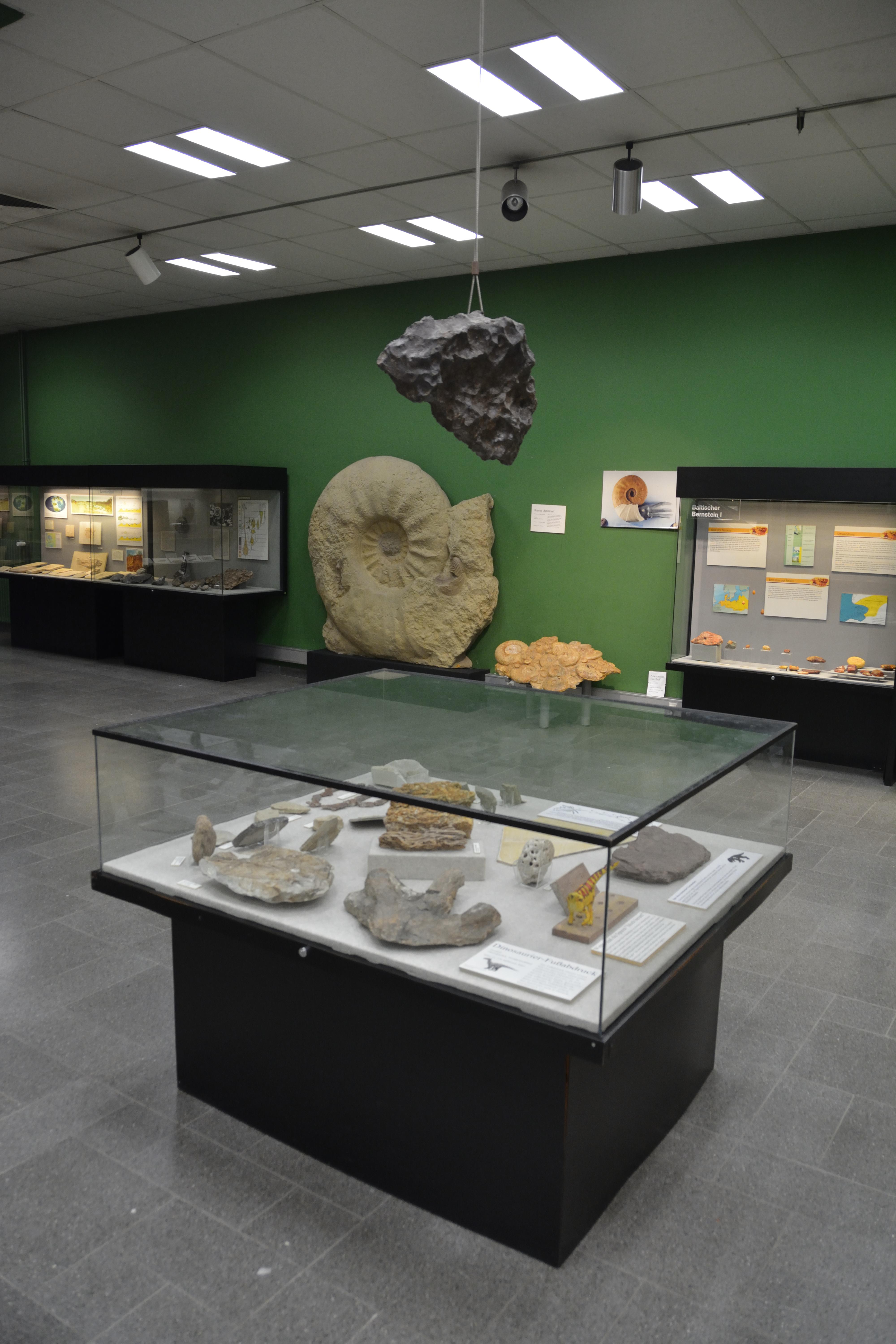
Image: --Nightflyer (talk) 21:26, 29 June 2016 (UTC)CC BY 4.0 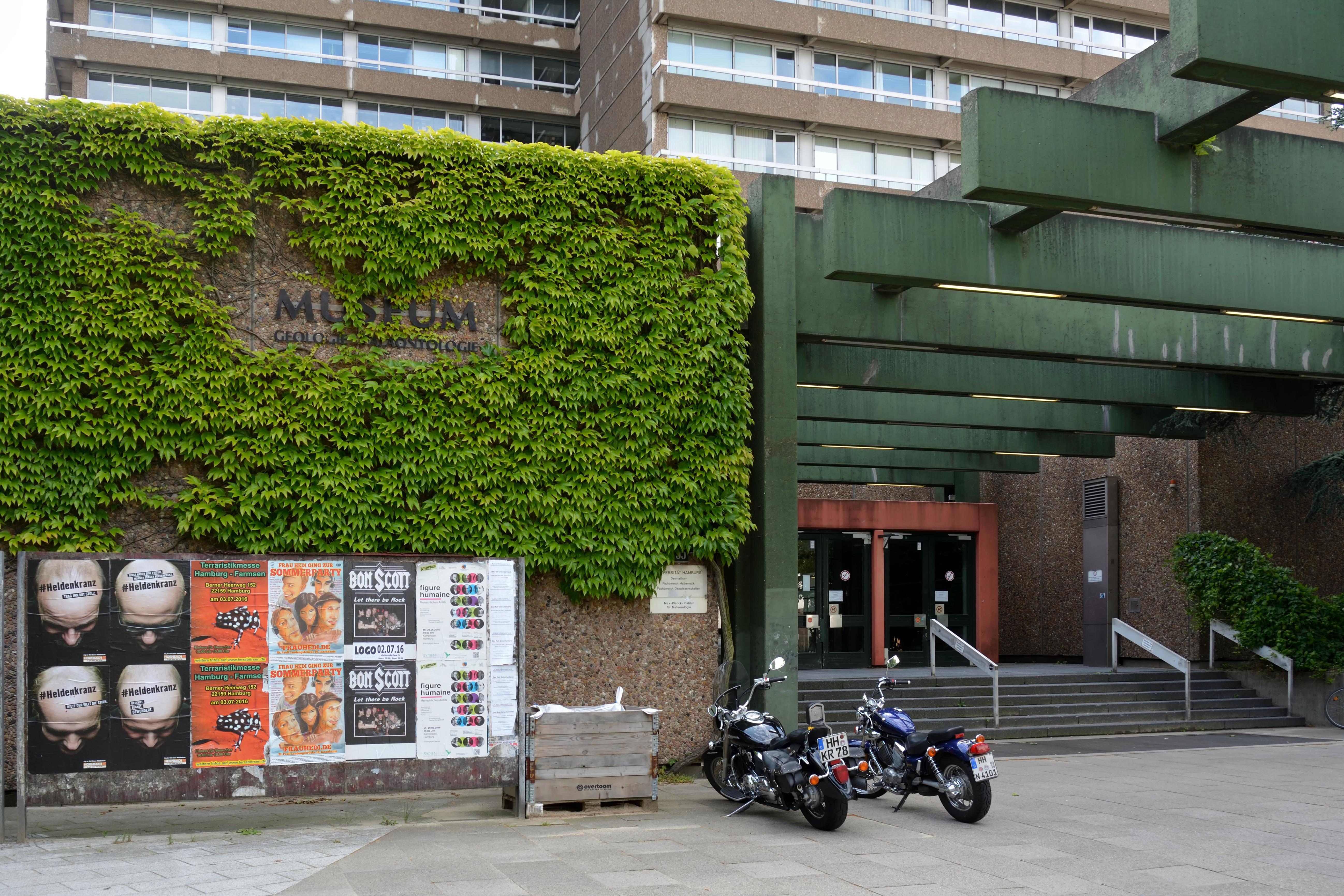
Image: --Nightflyer (talk) 21:53, 29 June 2016 (UTC)CC BY 4.0 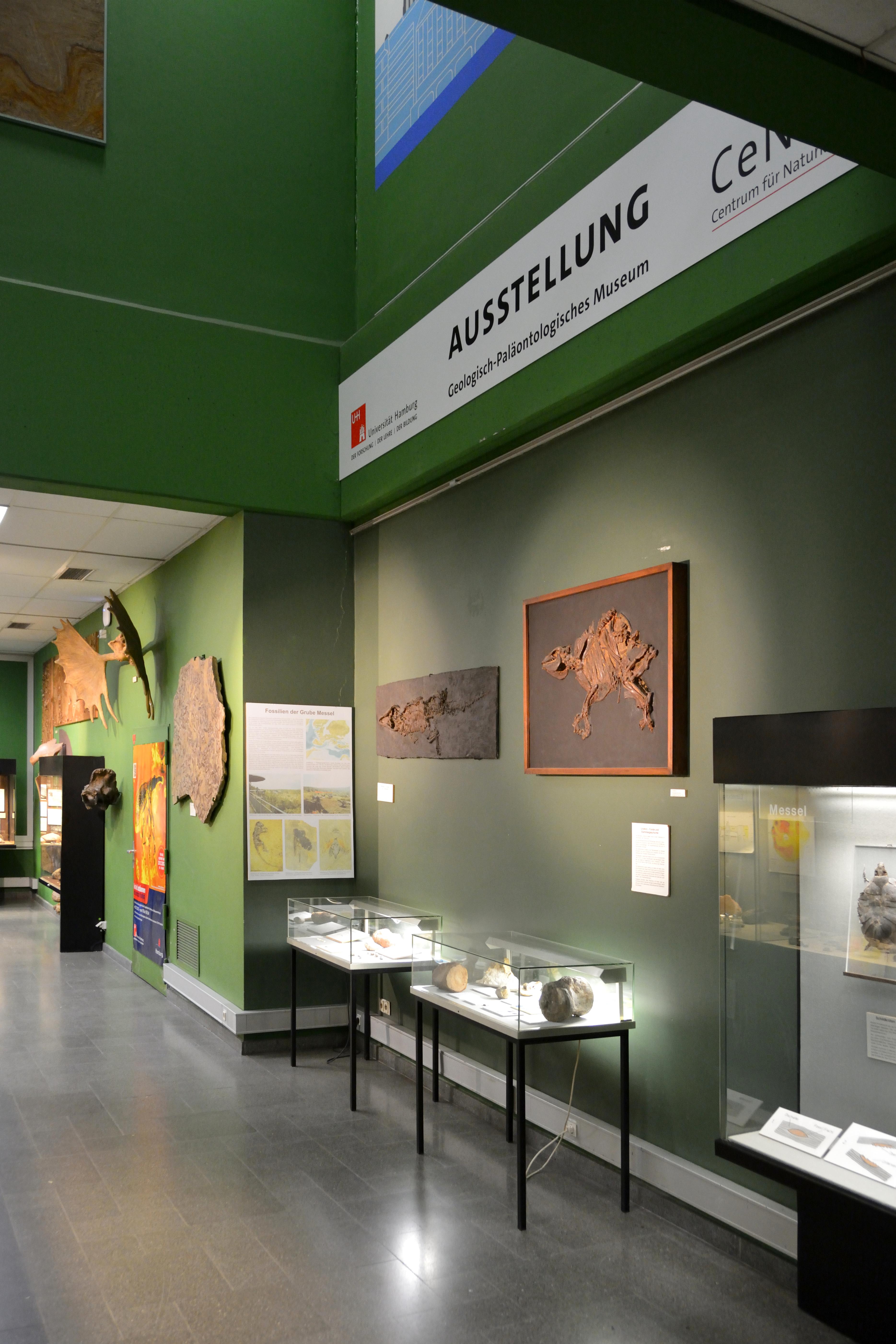
Image: --Nightflyer (talk) 21:27, 29 June 2016 (UTC)CC BY 4.0 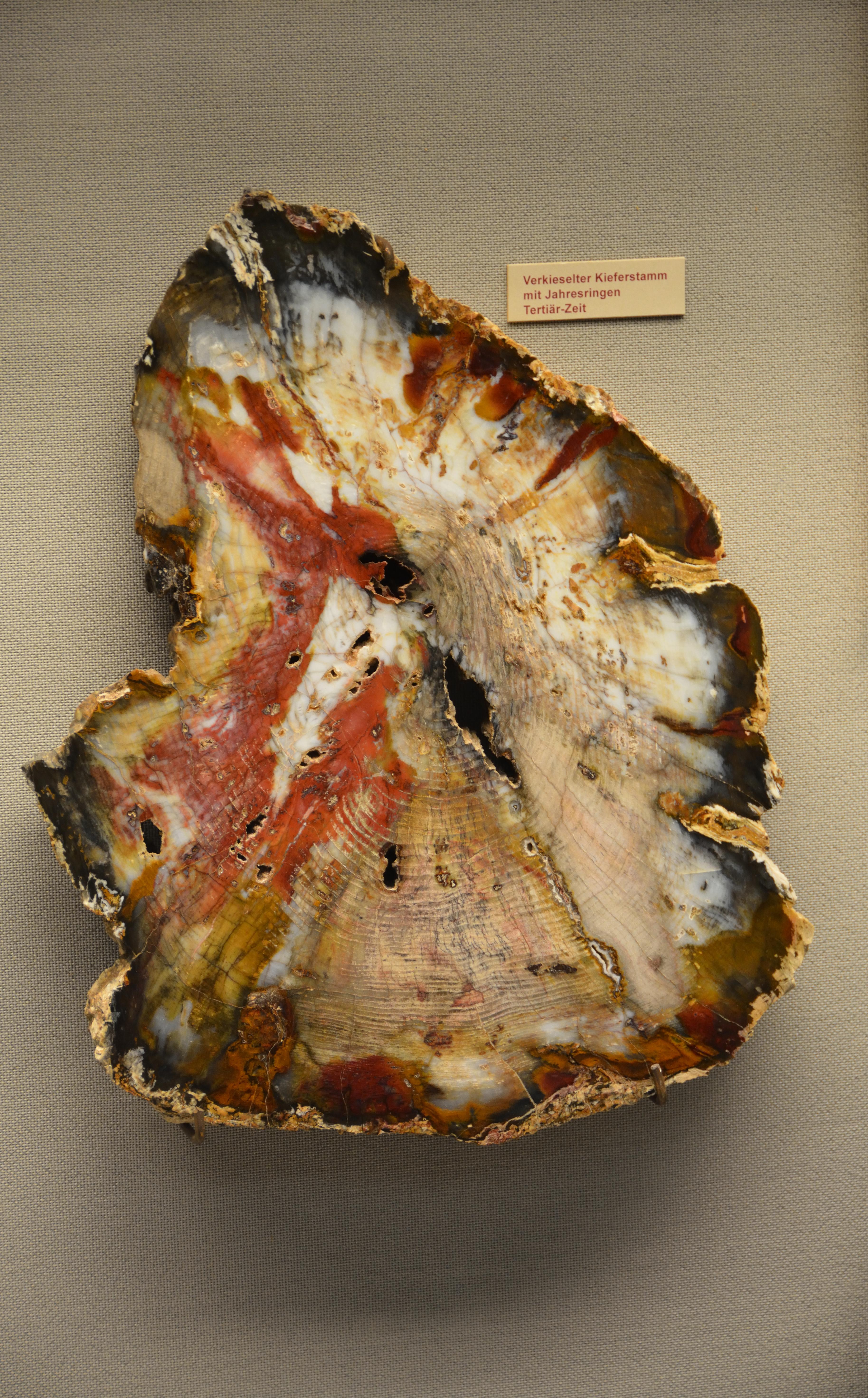
Image: --Nightflyer (talk) 21:48, 29 June 2016 (UTC)CC BY 4.0 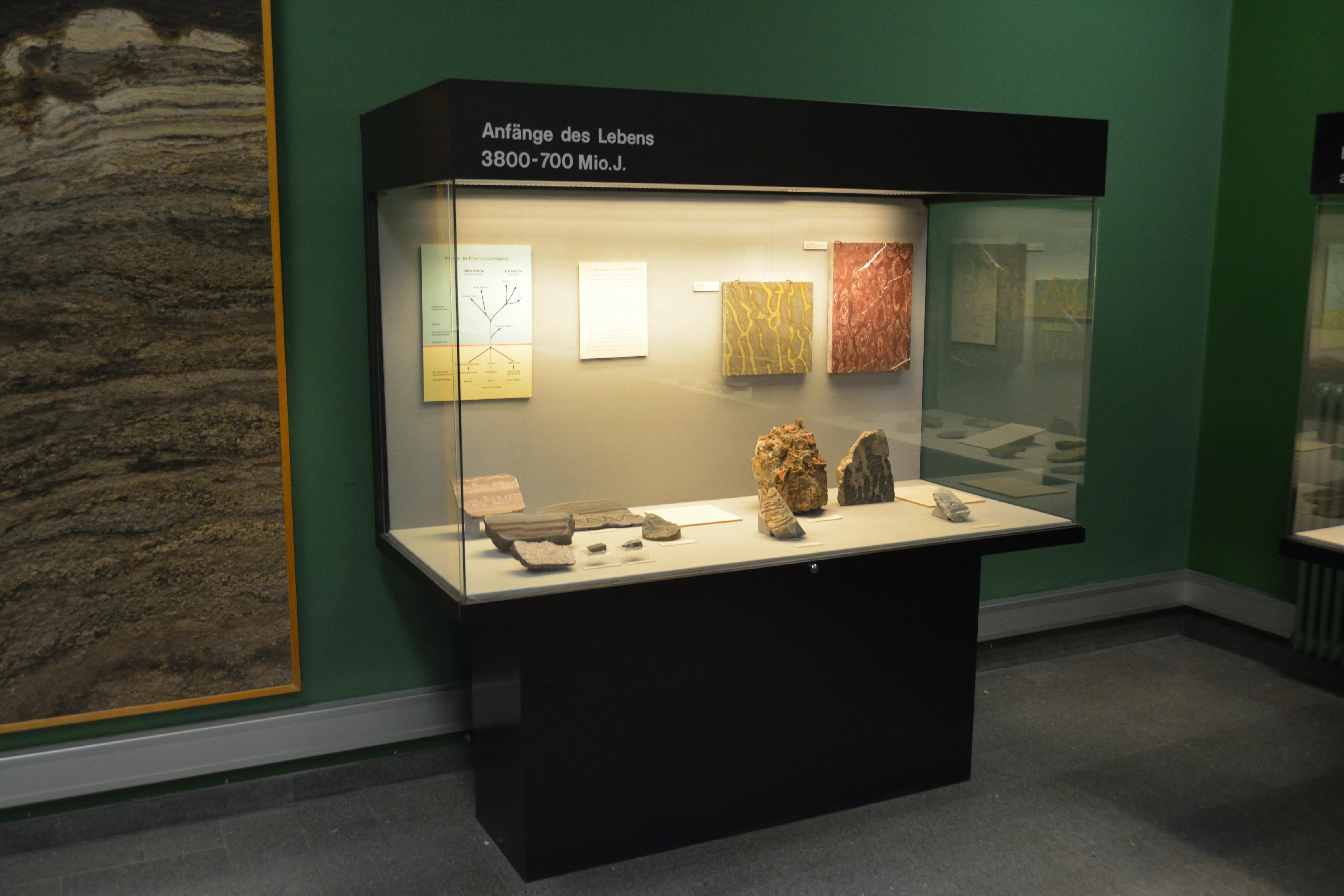
Image: --Nightflyer (talk) 21:44, 29 June 2016 (UTC)CC BY 4.0
Take this page with you
The myTuur app is free, and once you are standing at a spot its story starts by itself.


Spots like this one are the stops myTuur strings into tours through Hamburg. In the app, each story begins where you stand: walk up to a spot and it starts, read it on screen or listen as you go, then follow the route to the next one.
What is myTuur?
myTuur is a free city-guide app. Its tours are built from spots, and each spot carries a story that starts when you get there, to read or to listen to as you like.