Phủ Chủ Tịch
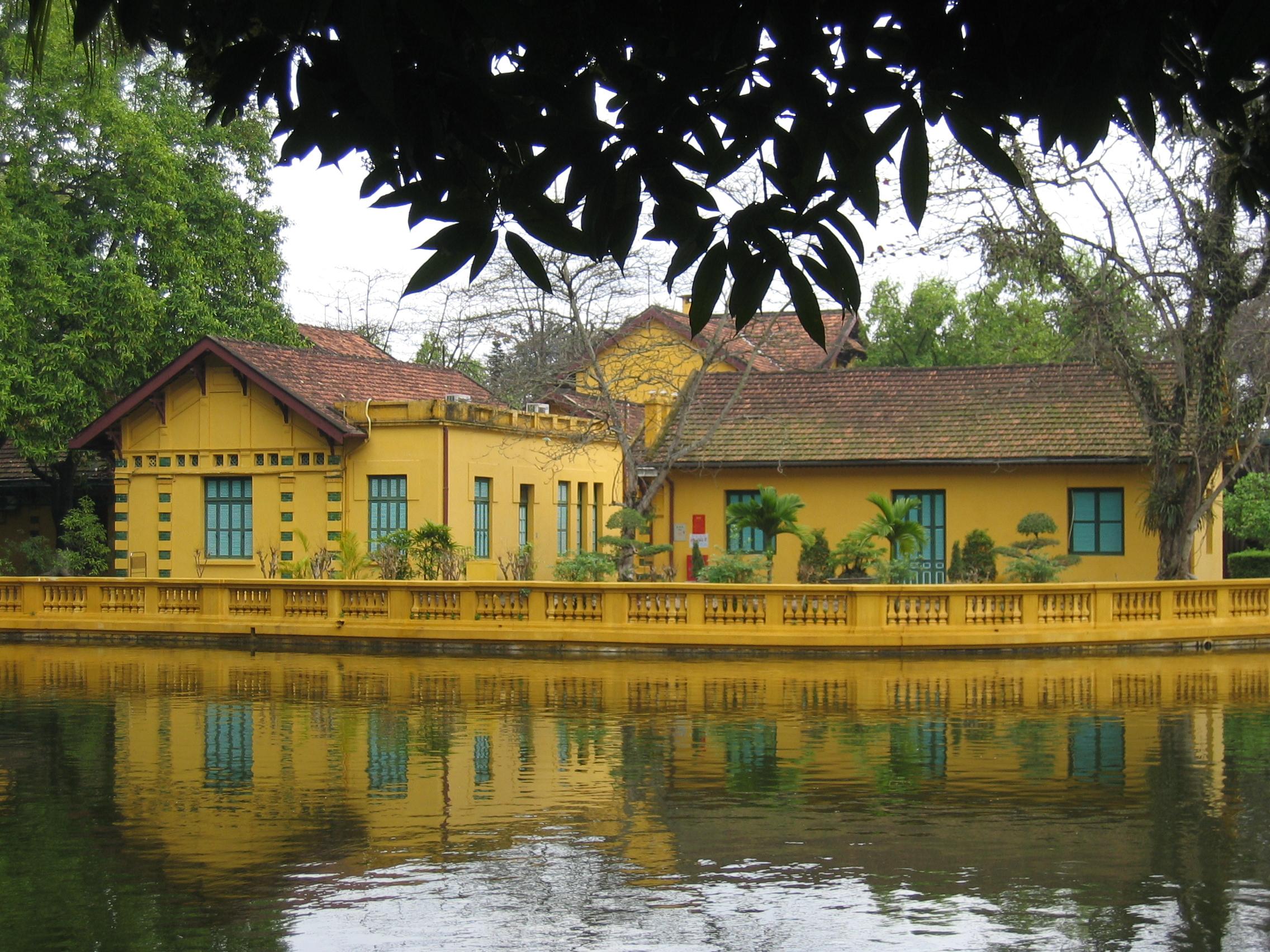
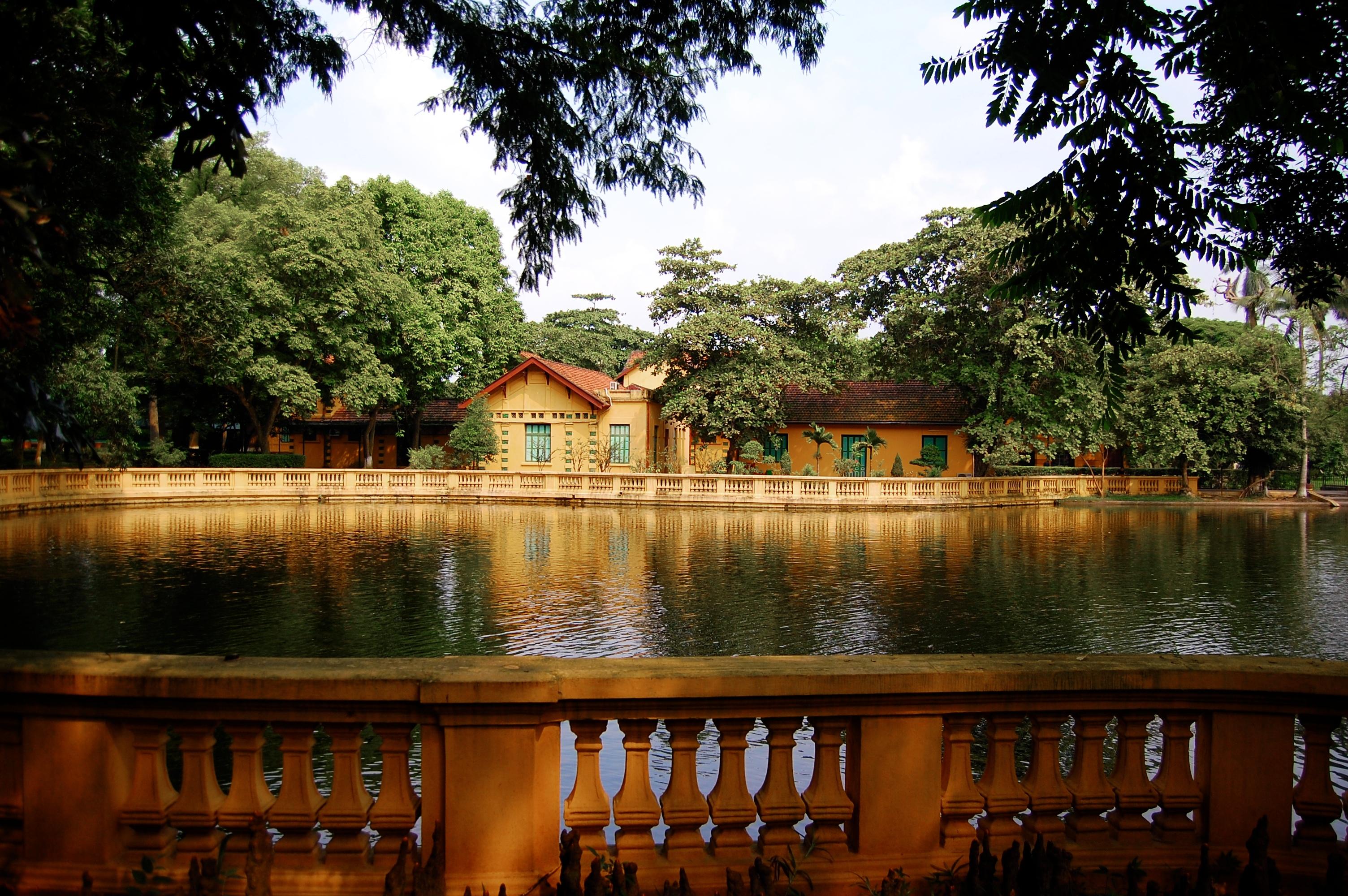
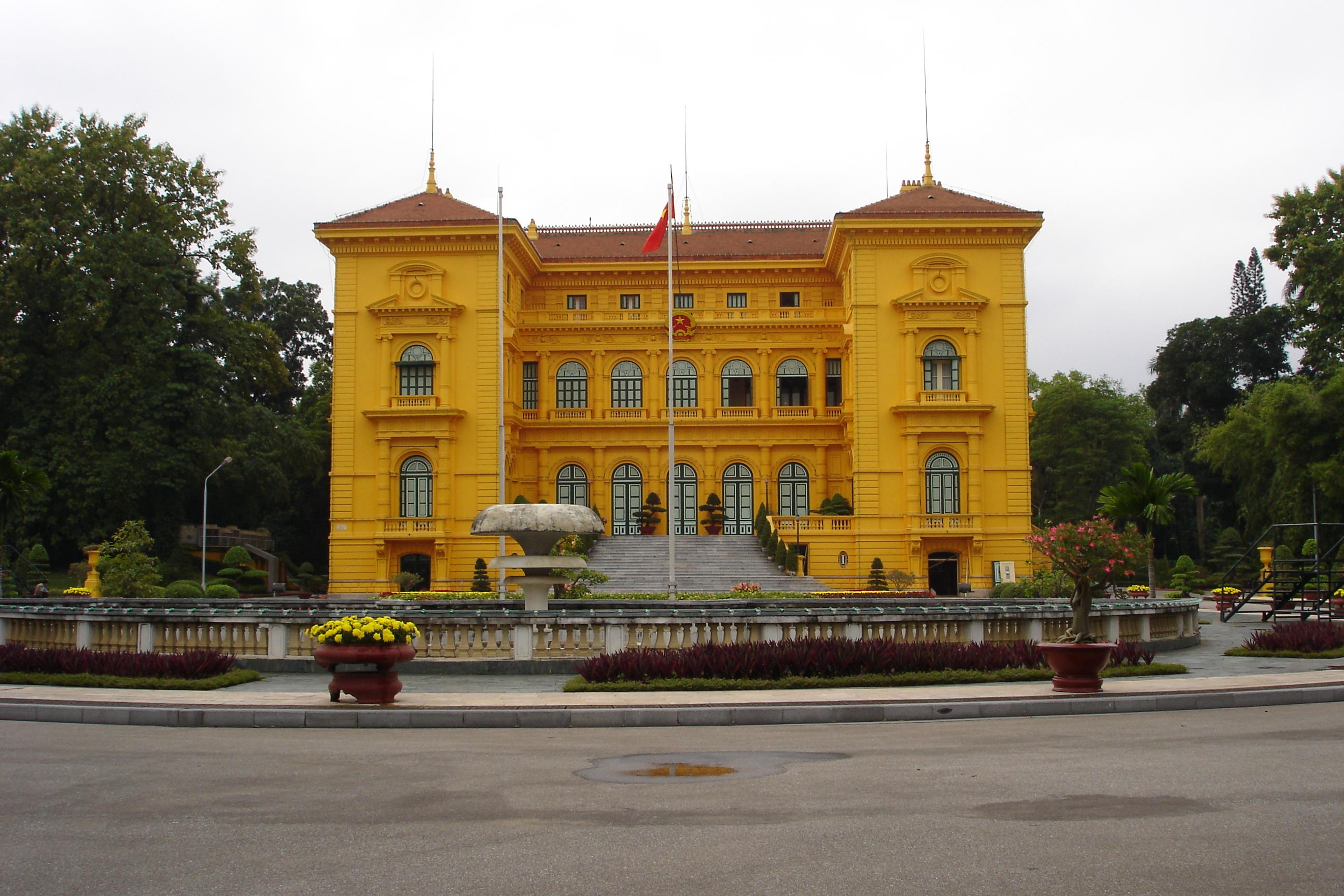
Phủ Chủ Tịch, the Presidential Palace, stands at the heart of Hanoi, painted in the yellow that colonial buildings across Vietnam share. Built between 1900 and 1906, it was meant to house the French governor-general of Indochina. Charles Lichtenfelder designed it, though it is sometimes wrongly credited to Auguste Henri Vildieu. Its French colonial design draws on the Italian Renaissance, with aedicules, broken pediments, classical columns and quoins. A grand staircase leads up to the piano nobile.
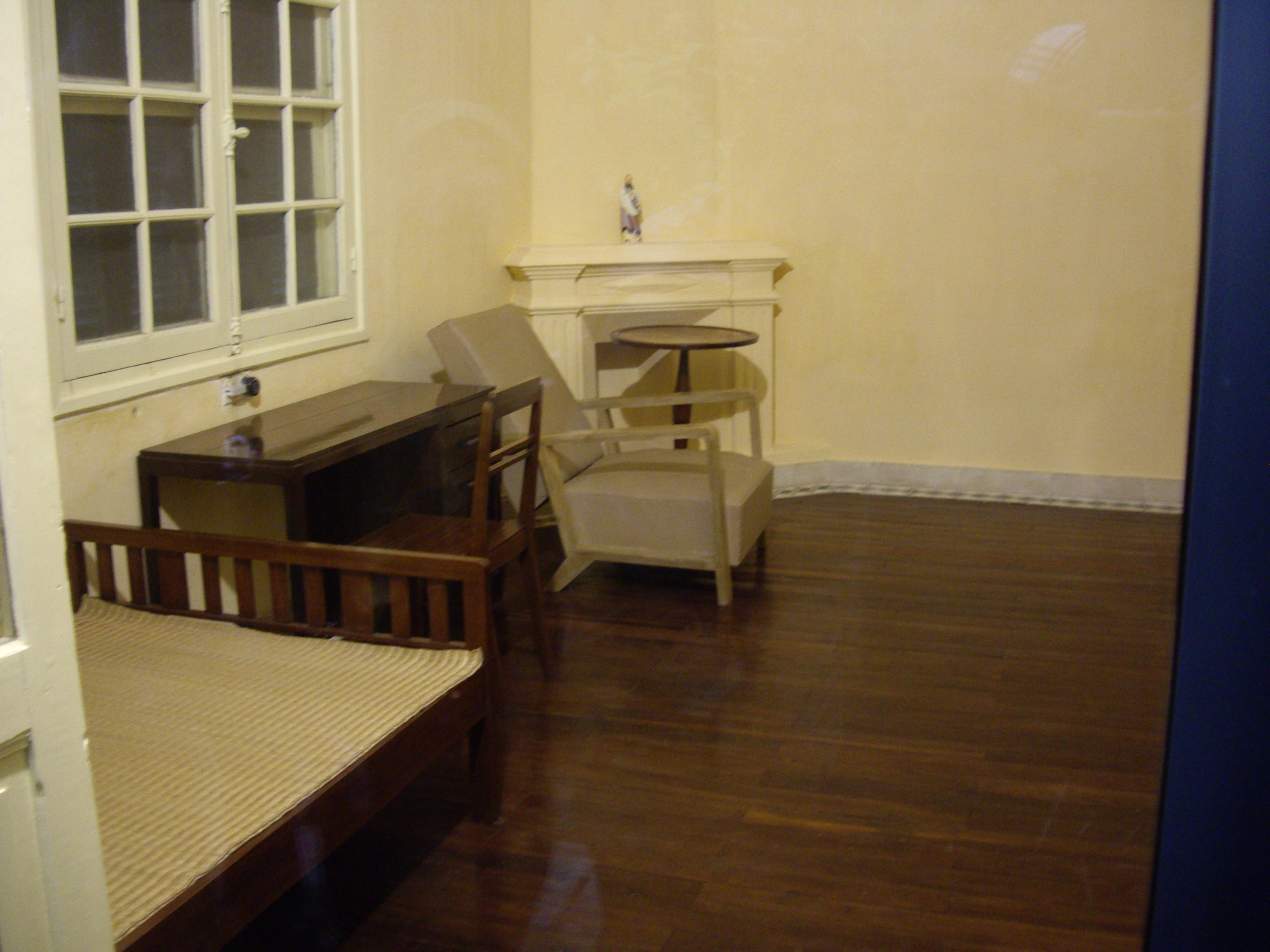
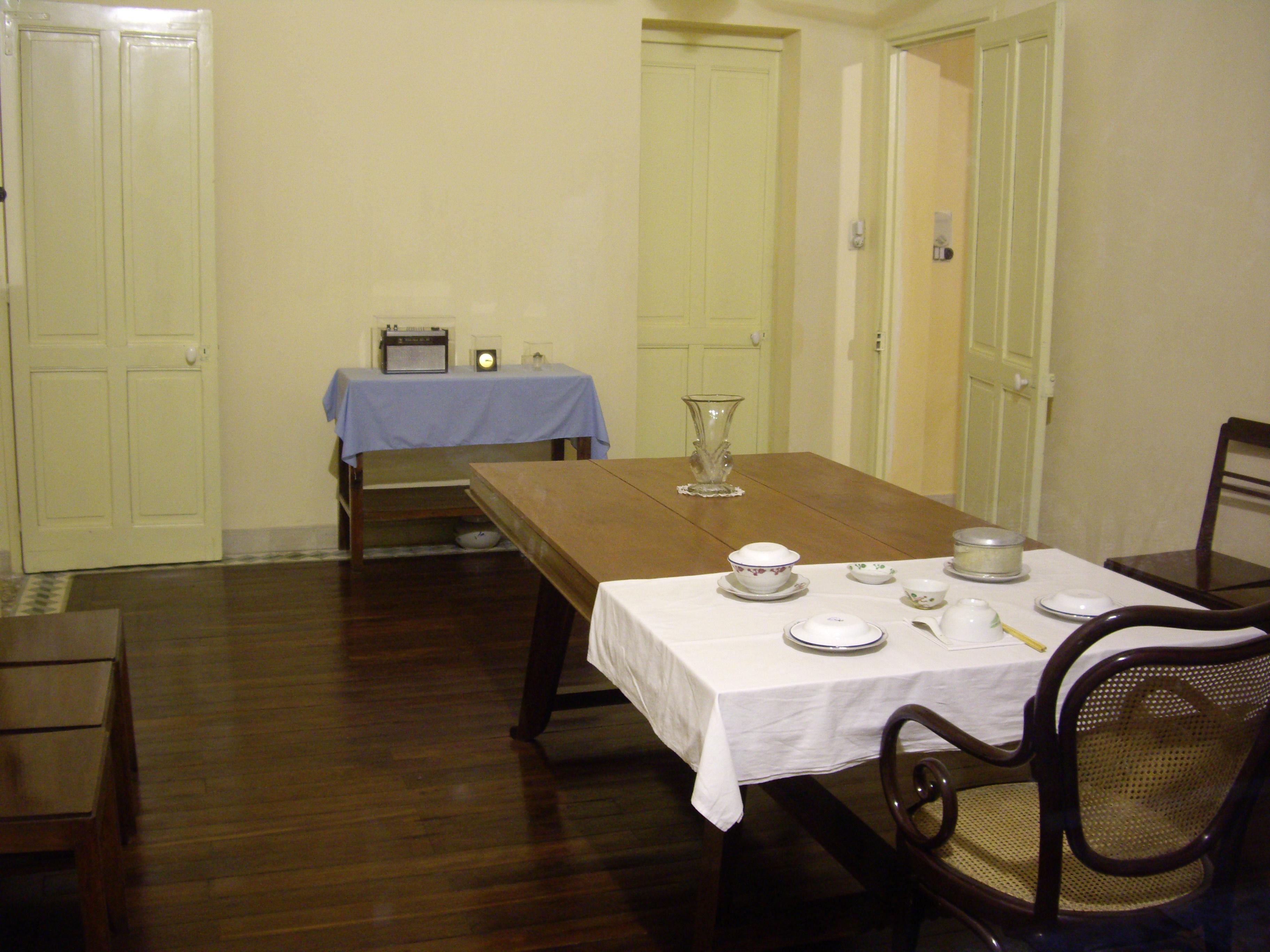
Vietnam's independence in 1954 made the building the official residence of the president of Vietnam. Ho Chi Minh, however, declined to live there for symbolic reasons. He had a traditional Vietnamese stilt house built on the grounds and lived and worked there until his death in 1969. That house and a carp pond became the Presidential Palace Historical Site in 1975.
The palace itself stays closed and still hosts government meetings and official receptions, but you can walk the well-kept grounds. Towering mango trees fill the gardens, a Vietnamese note inside the European-style setting. Nearby, the Ho Chi Minh Mausoleum houses the embalmed body of the man who chose the stilt house over the palace.
- City
- Hà Nội
- Content updated
Take this page with you
The myTuur app is free, and once you are standing at a spot its story starts by itself.


Spots like this one are the stops myTuur strings into tours through Hà Nội. In the app, each story begins where you stand: walk up to a spot and it starts, read it on screen or listen as you go, then follow the route to the next one.
What is myTuur?
myTuur is a free city-guide app. Its tours are built from spots, and each spot carries a story that starts when you get there, to read or to listen to as you like.