De kongelige pavilloner
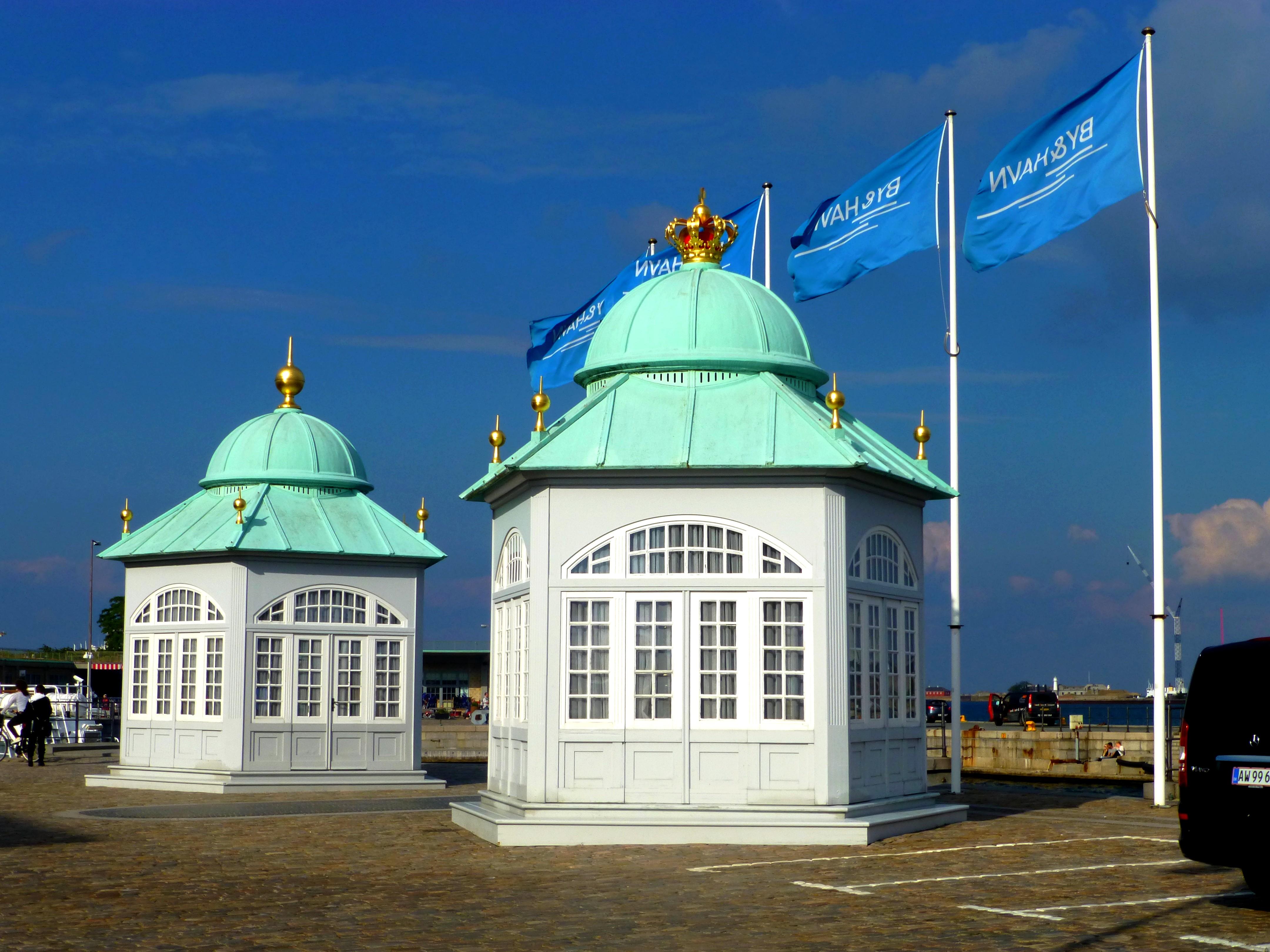
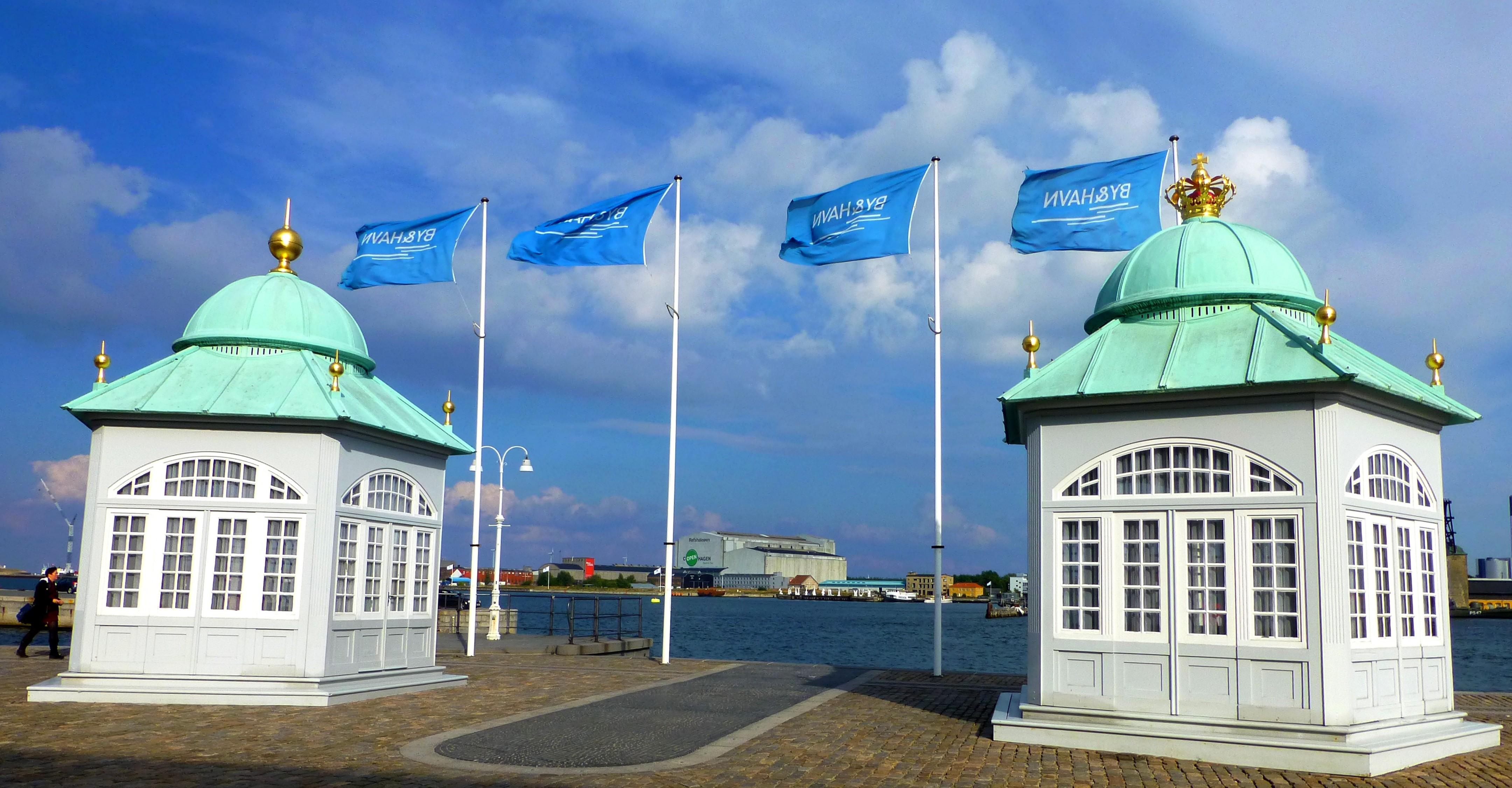
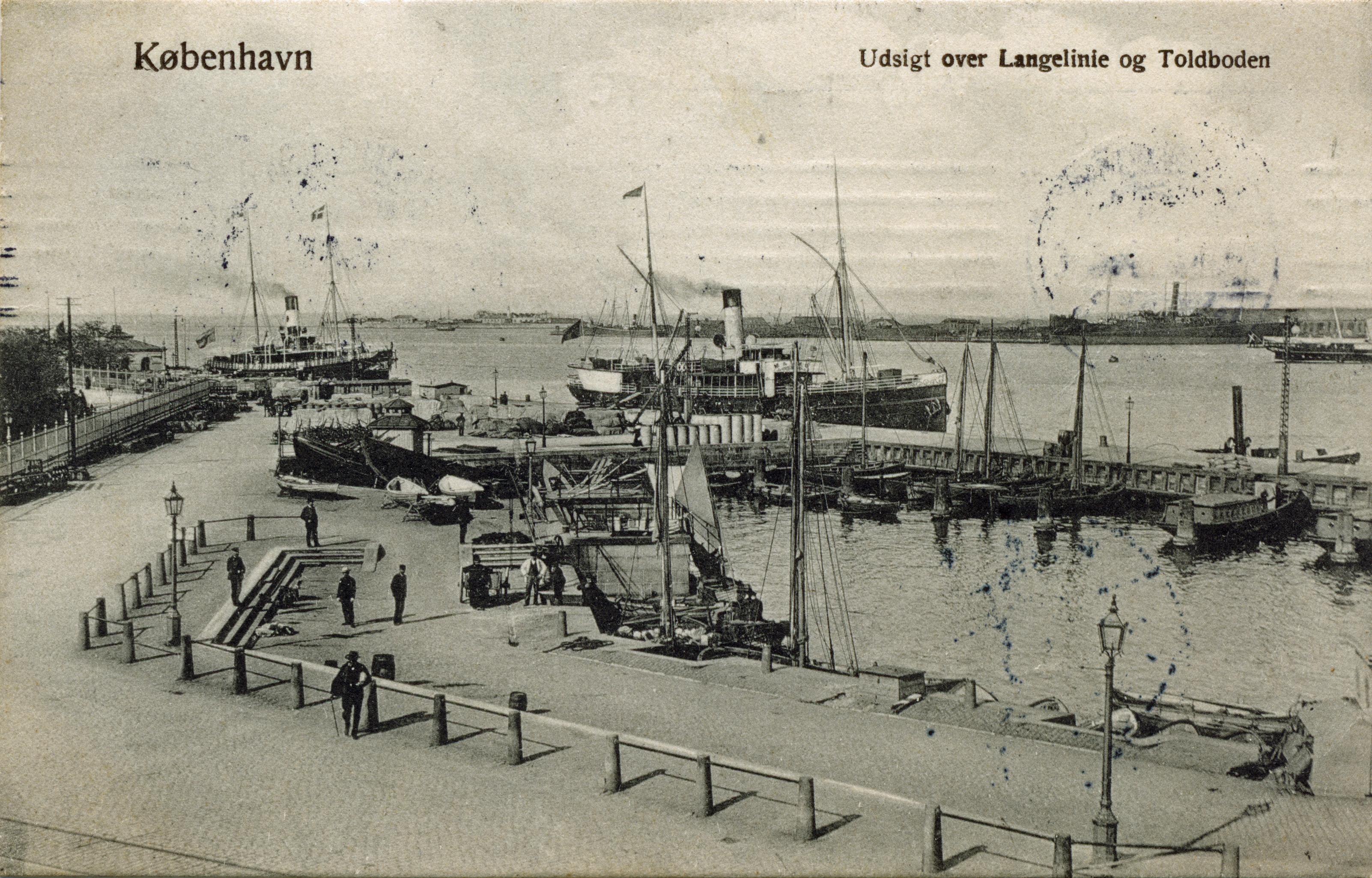
De kongelige pavilloner stand by Copenhagen's harbour, two reception pavilions raised in 1905 to welcome royal and princely guests arriving by sea. The architect Osvald Langballe gave them the symmetry and dignified bearing expected of ceremonial buildings in the early twentieth century. The pair is small in scale, shaped to complement the harbour structures already lining the shore.
The granite staircase at their front is older still. It dates from 1848, built so a royal guest could step from ship to Danish soil with full ceremony. Under King Christian IX, visits from foreign heads of state gathered pace, and staircase and buildings alike saw steady use. As early as 1905, they received members of the British royal family. That waterside position makes the spot a practical and symbolic entry point for important visitors to Copenhagen.
The pavilions themselves stay closed to the public, so you take in the exterior and the quay around them. The Gefion Fountain and the Langelinie promenade sit within walking distance, and sightseeing routes through Copenhagen pass this way. Opposite stands Nyholm, where the naval crown marks a waterfront long given to official receptions and maritime activity.
- City
- Copenhagen
- Content updated
Take this page with you
The myTuur app is free, and once you are standing at a spot its story starts by itself.


Spots like this one are the stops myTuur strings into tours through Copenhagen. In the app, each story begins where you stand: walk up to a spot and it starts, read it on screen or listen as you go, then follow the route to the next one.
What is myTuur?
myTuur is a free city-guide app. Its tours are built from spots, and each spot carries a story that starts when you get there, to read or to listen to as you like.