Christiansborg Slot
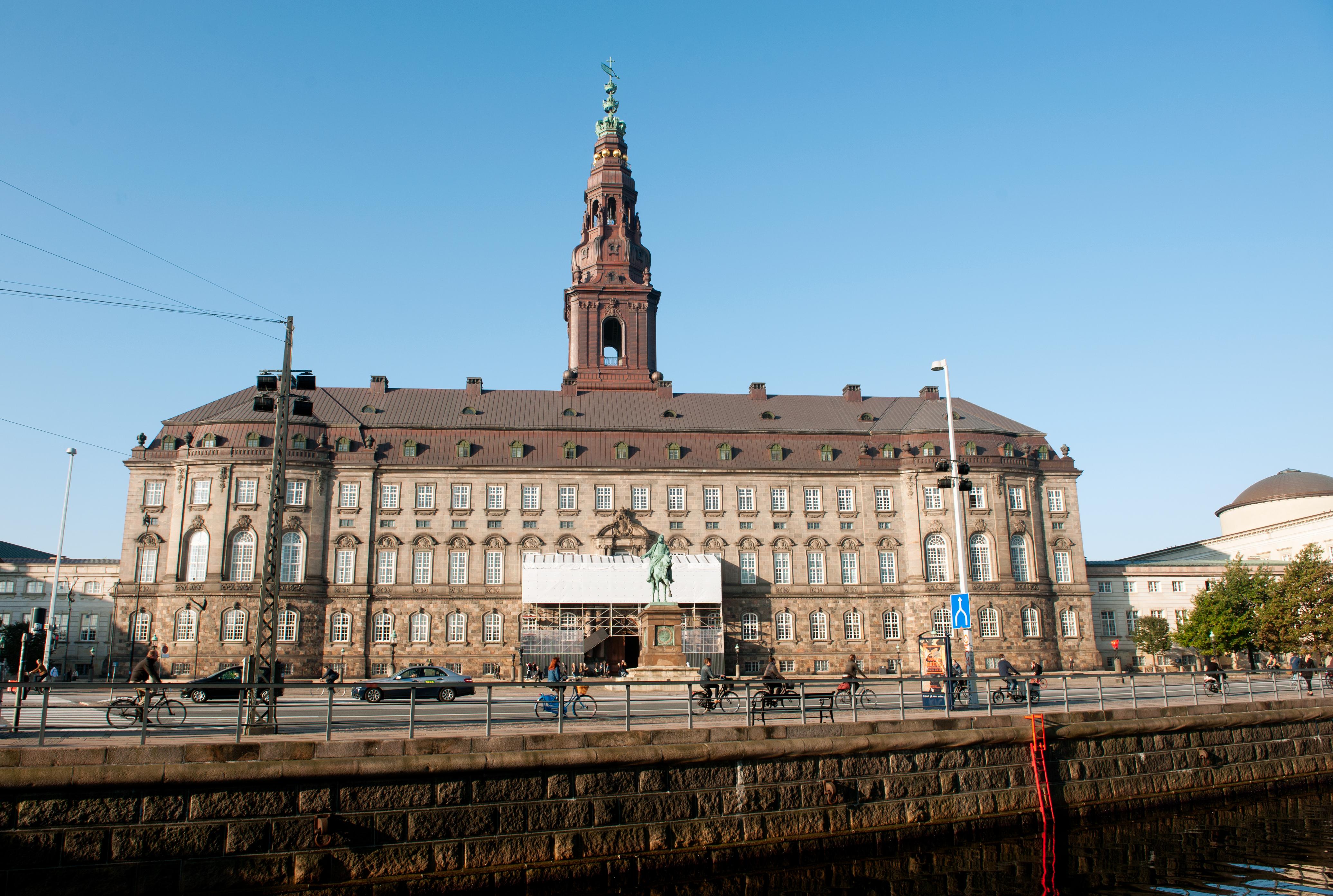
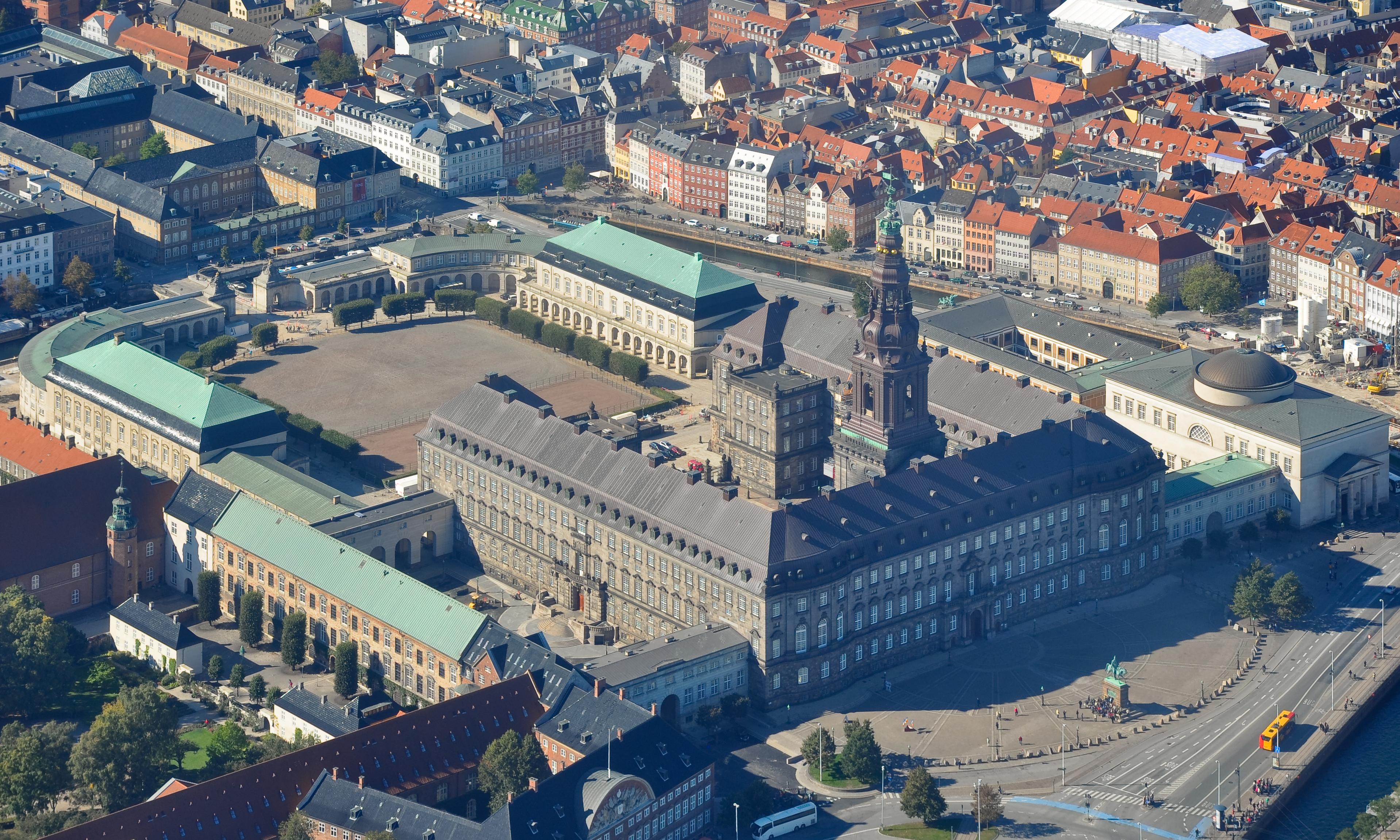
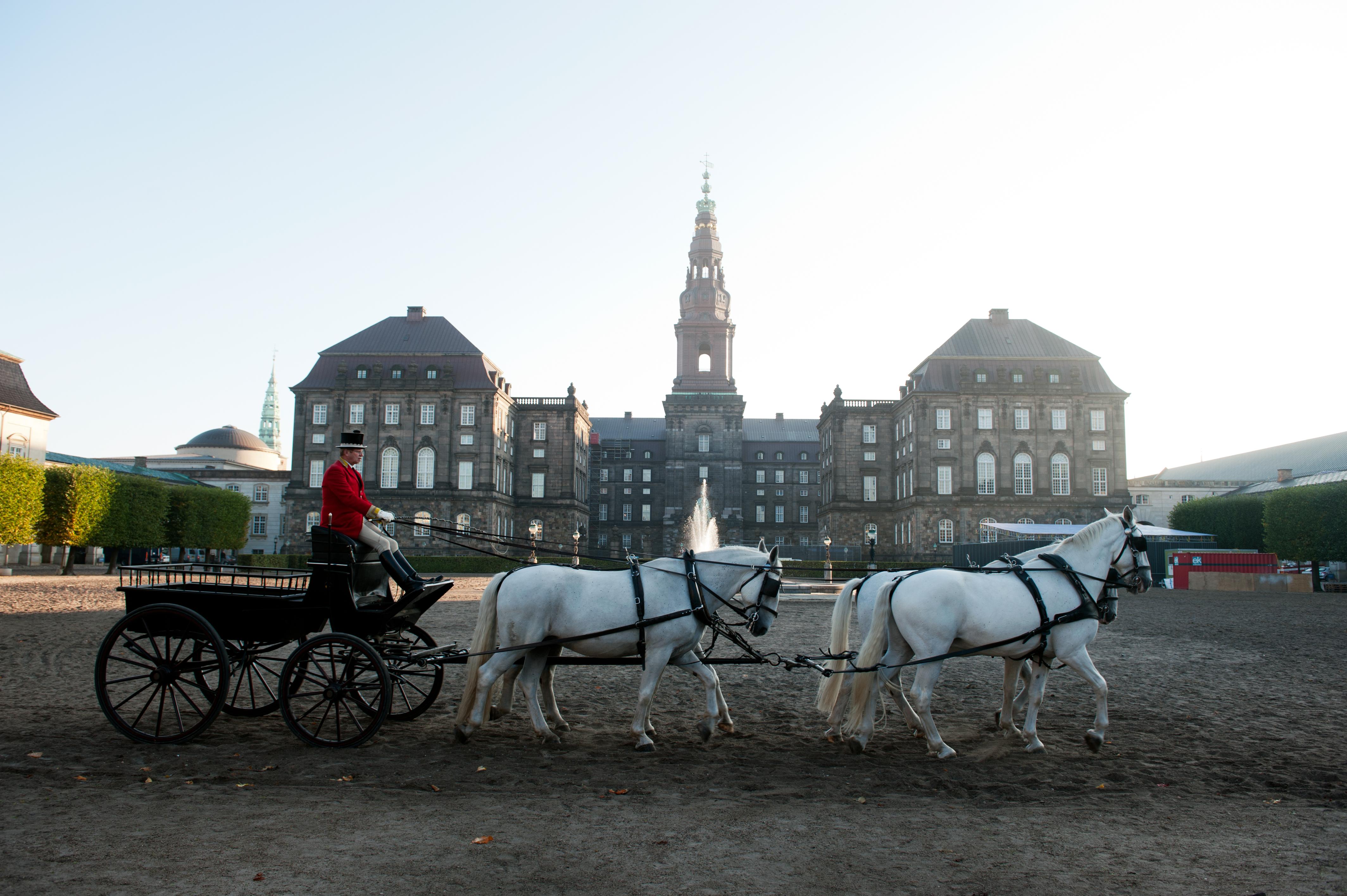
Christiansborg Slot stands in Copenhagen as a palace where Denmark’s Parliament, Supreme Court, and Prime Minister’s office operate. Its recorded history reaches back over 800 years.
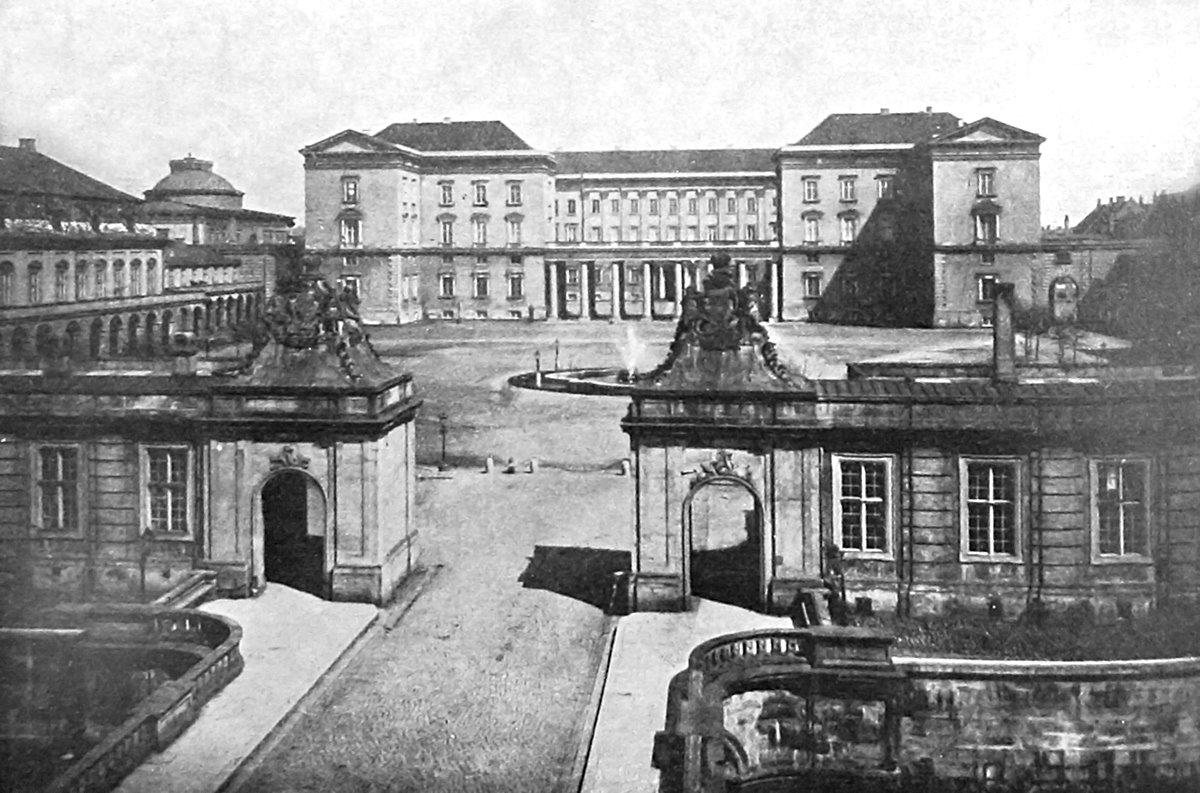
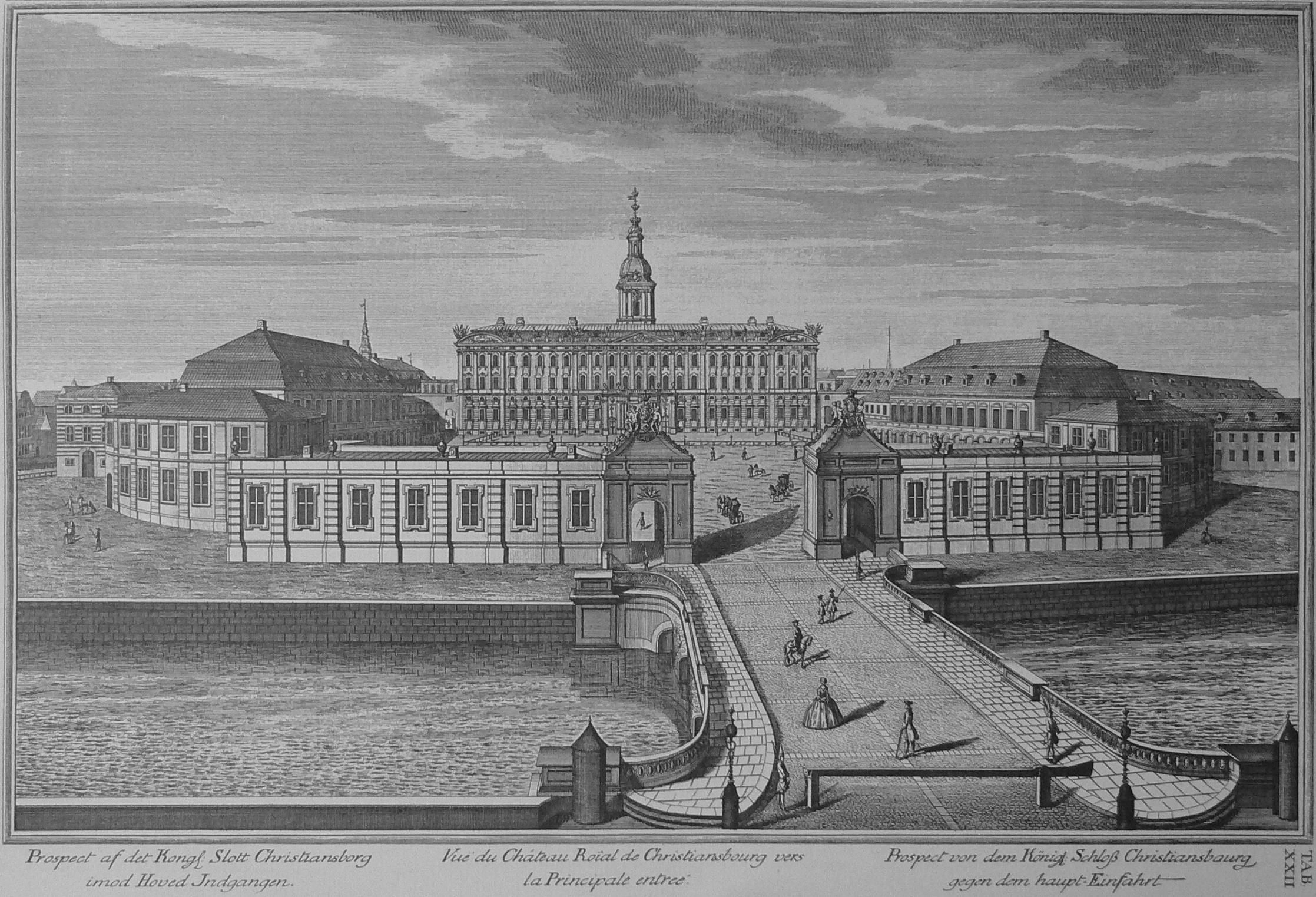
The site began with Bishop Absalon’s castle, built in 1167 to defend the city. Later, Copenhagen Castle rose over those earlier remains. The present palace is the third Christiansborg Slot, completed in 1928 after two earlier buildings burned. The first palace opened here in 1740.
The second, designed by C. F. Hansen, opened in 1828 and followed the 1794 fire. Its chapel survived the later fire of 1884. Inside, royal reception rooms include the tower room, oval throne room, and throne room with twin thrones. The great hall holds the queen’s tapestries.
Bjørn Nørgaard’s designs present a thousand years of Danish history, from the Viking Age to modern times. Queen Margrethe II received them as a gift in 1990. Beneath the palace, ruins reveal Absalon’s castle, Copenhagen Castle, and a medieval wall. The Blue Tower section also appears beneath the palace.
The palace kitchens use models and sounds to show their former operation. Royal functions still use several rooms there. This combination of government, architecture, art, and archaeology places Denmark’s past beneath its present institutions. Those layers meet inside one Copenhagen palace.
- City
- Copenhagen
- Content updated
Take this page with you
The myTuur app is free, and once you are standing at a spot its story starts by itself.


Spots like this one are the stops myTuur strings into tours through Copenhagen. In the app, each story begins where you stand: walk up to a spot and it starts, read it on screen or listen as you go, then follow the route to the next one.
What is myTuur?
myTuur is a free city-guide app. Its tours are built from spots, and each spot carries a story that starts when you get there, to read or to listen to as you like.