Portugese Synagoge
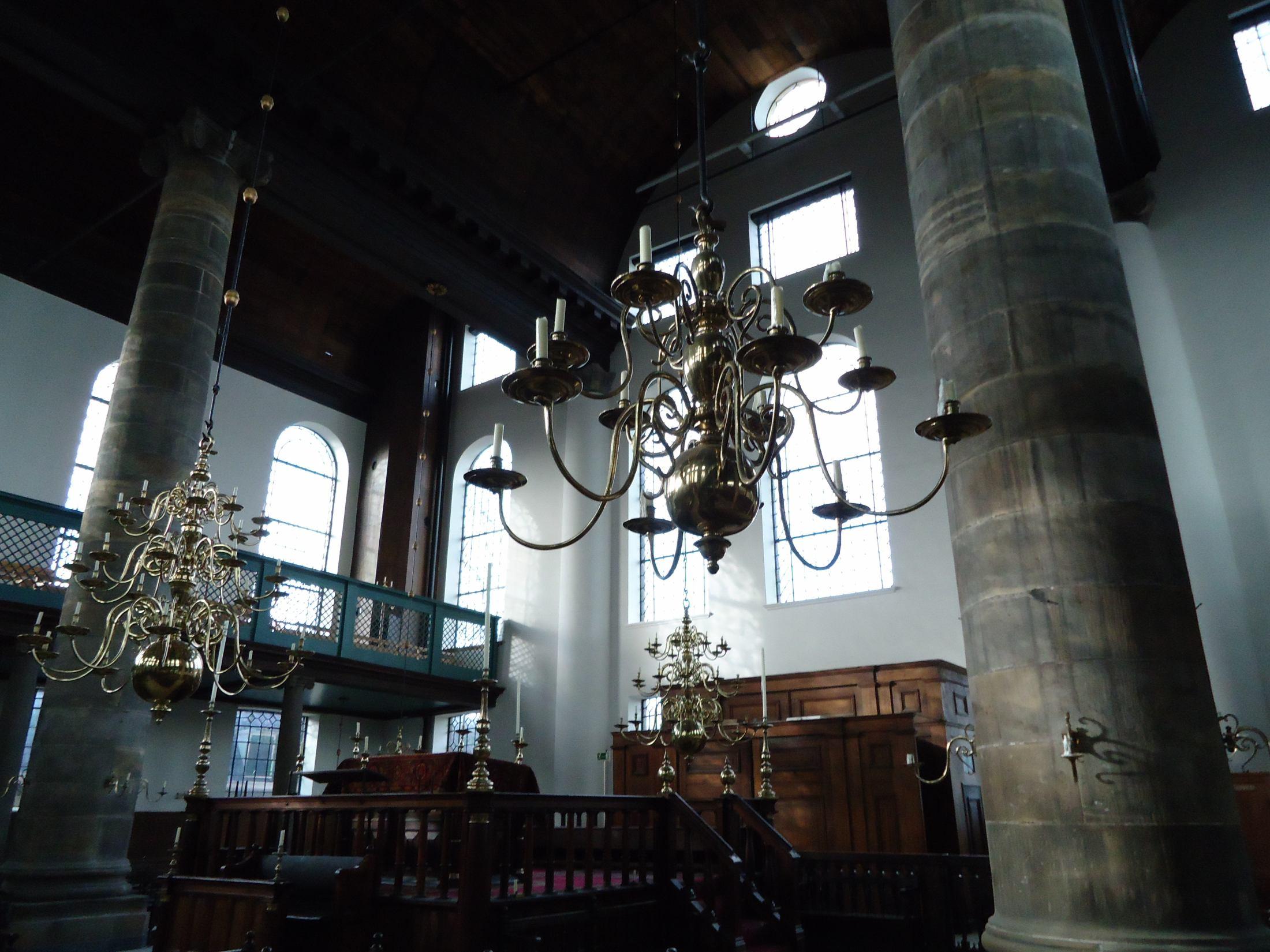
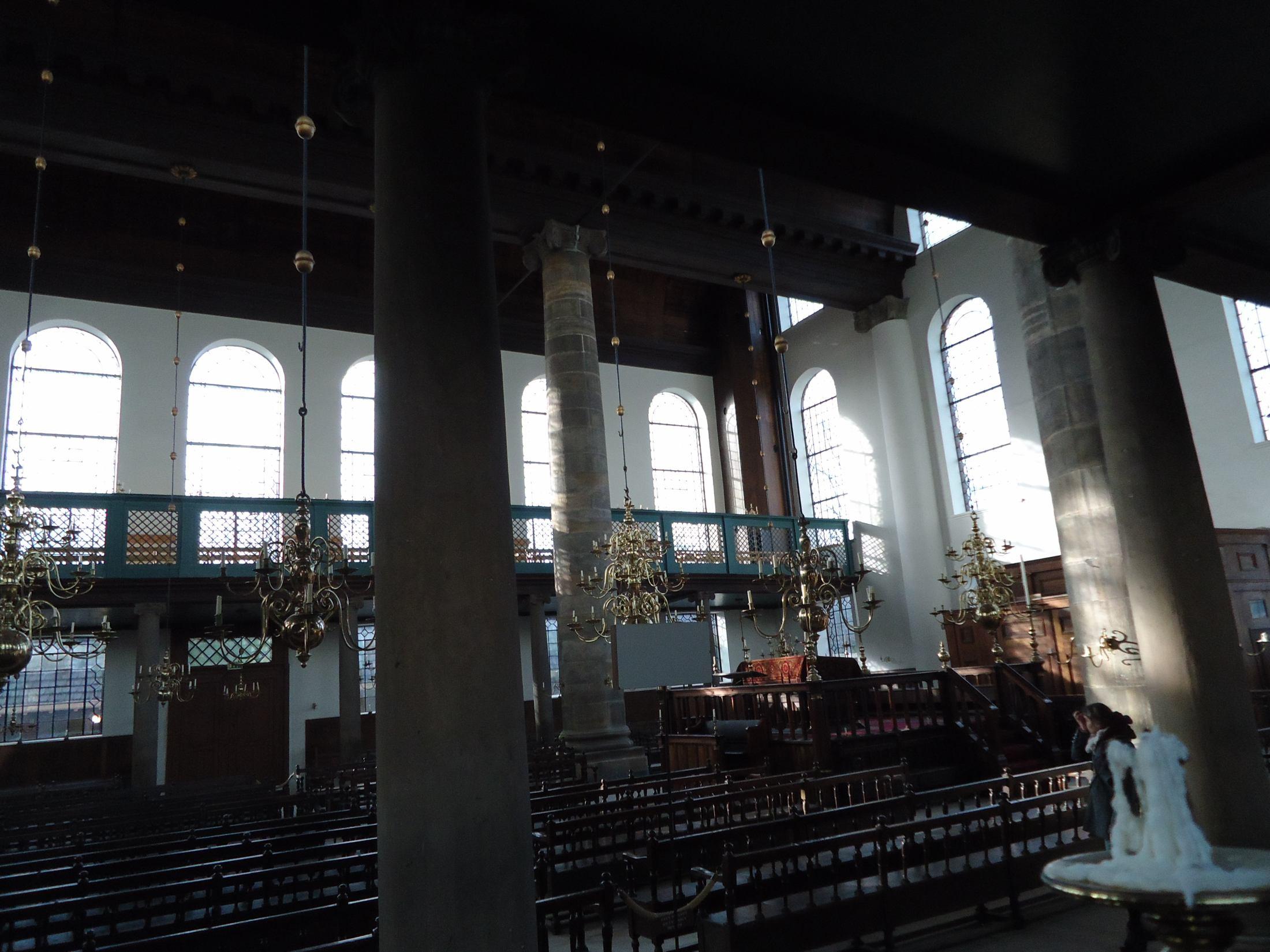
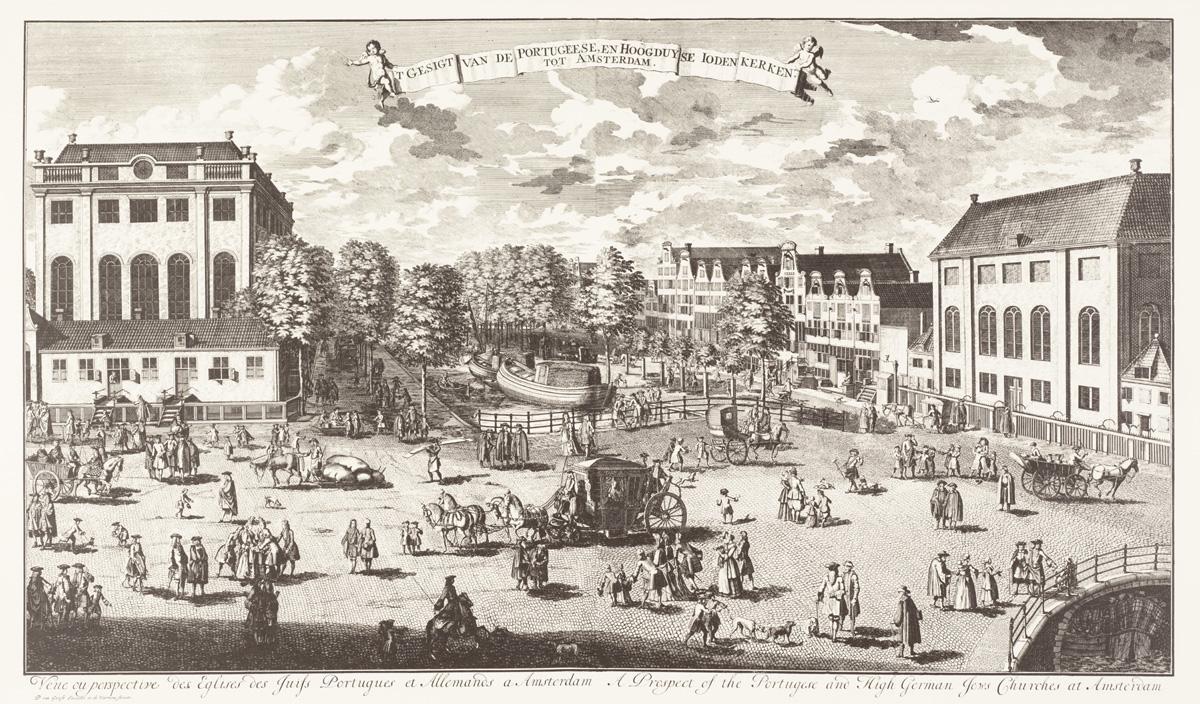
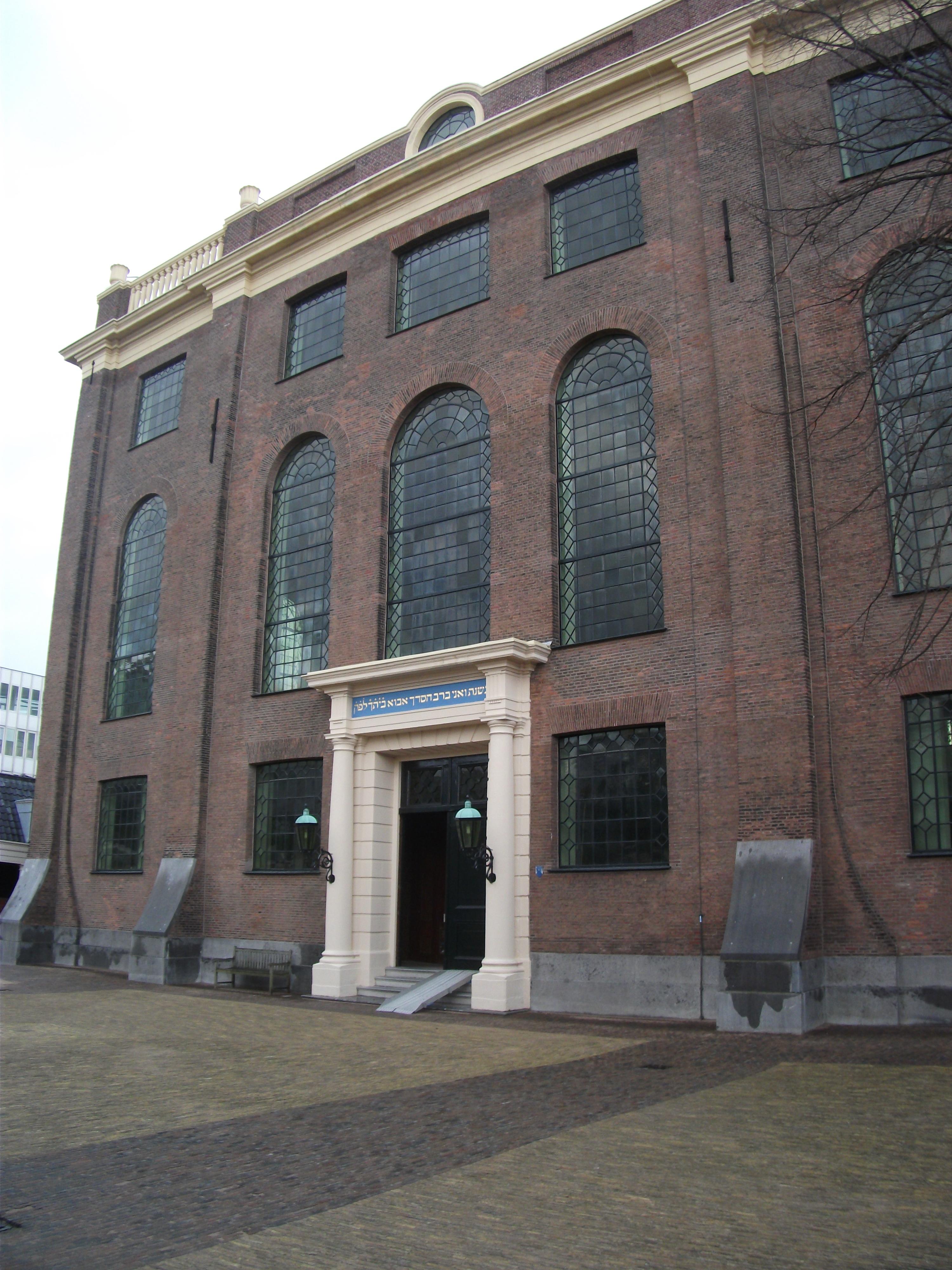
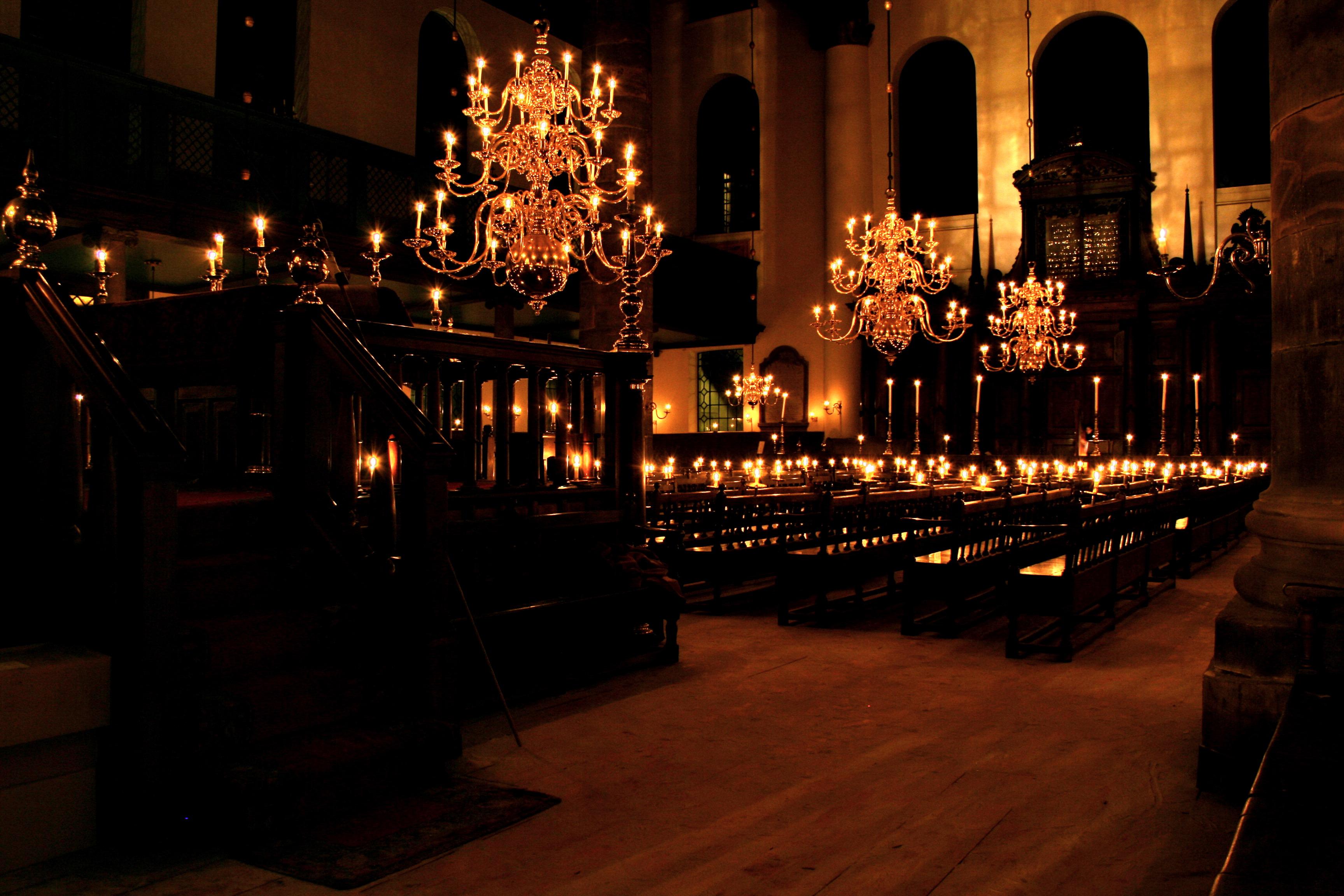
Portugese Synagoge stands in Amsterdam, Netherlands, as a free-standing Sephardic synagogue completed in 1675. Architect Elias Bouman shaped its architecture around plans associated with King Solomon’s Temple. Through a courtyard, you reach a high rectangular sanctuary with wooden benches, twelve stone columns, and seventy-two windows.
The Portuguese Jewish community began building it after buying the site in 1670, following persecution in Spain and Portugal. Amsterdam offered these Sephardic Jews room to practise Judaism openly. Renovations in the 1950s added central heating and electric lighting to the winter synagogue, while the main sanctuary retained its older character. The ark dates from 1744 and uses jacaranda wood from Brazil. During the Second World War, volunteers prevented its use as a deportation centre and hid ritual objects in the ceiling and attic.
Fine sand covers the floor, absorbing dust and softening sound in one of only five synagogues worldwide with this feature. Four brass chandeliers hold 1,000 candles, and the building remains an active place of worship.
- City
- Amsterdam
- Content updated
Take this page with you
The myTuur app is free, and once you are standing at a spot its story starts by itself.


Spots like this one are the stops myTuur strings into tours through Amsterdam. In the app, each story begins where you stand: walk up to a spot and it starts, read it on screen or listen as you go, then follow the route to the next one.
What is myTuur?
myTuur is a free city-guide app. Its tours are built from spots, and each spot carries a story that starts when you get there, to read or to listen to as you like.