Polderhuis in De Pijp
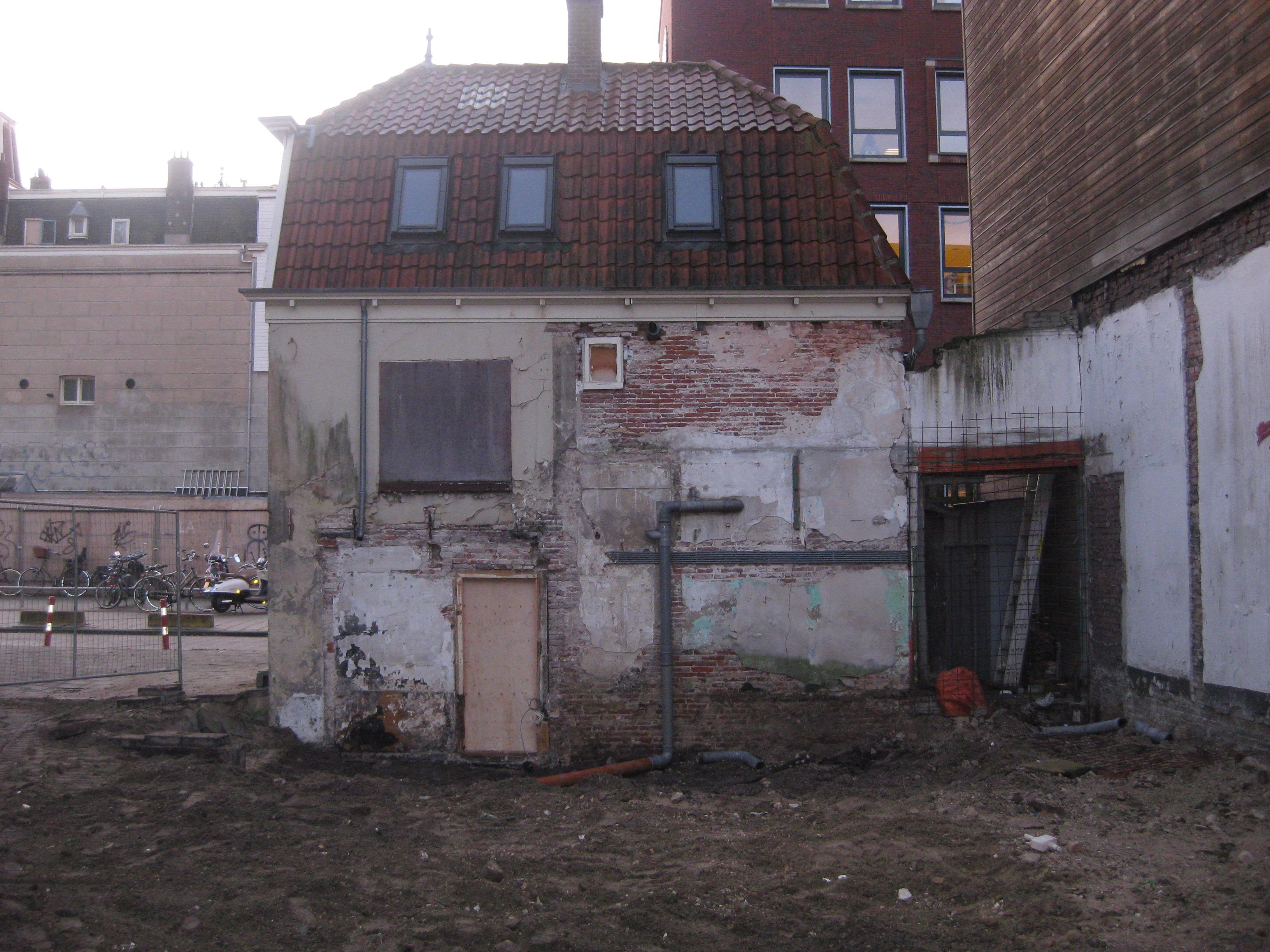
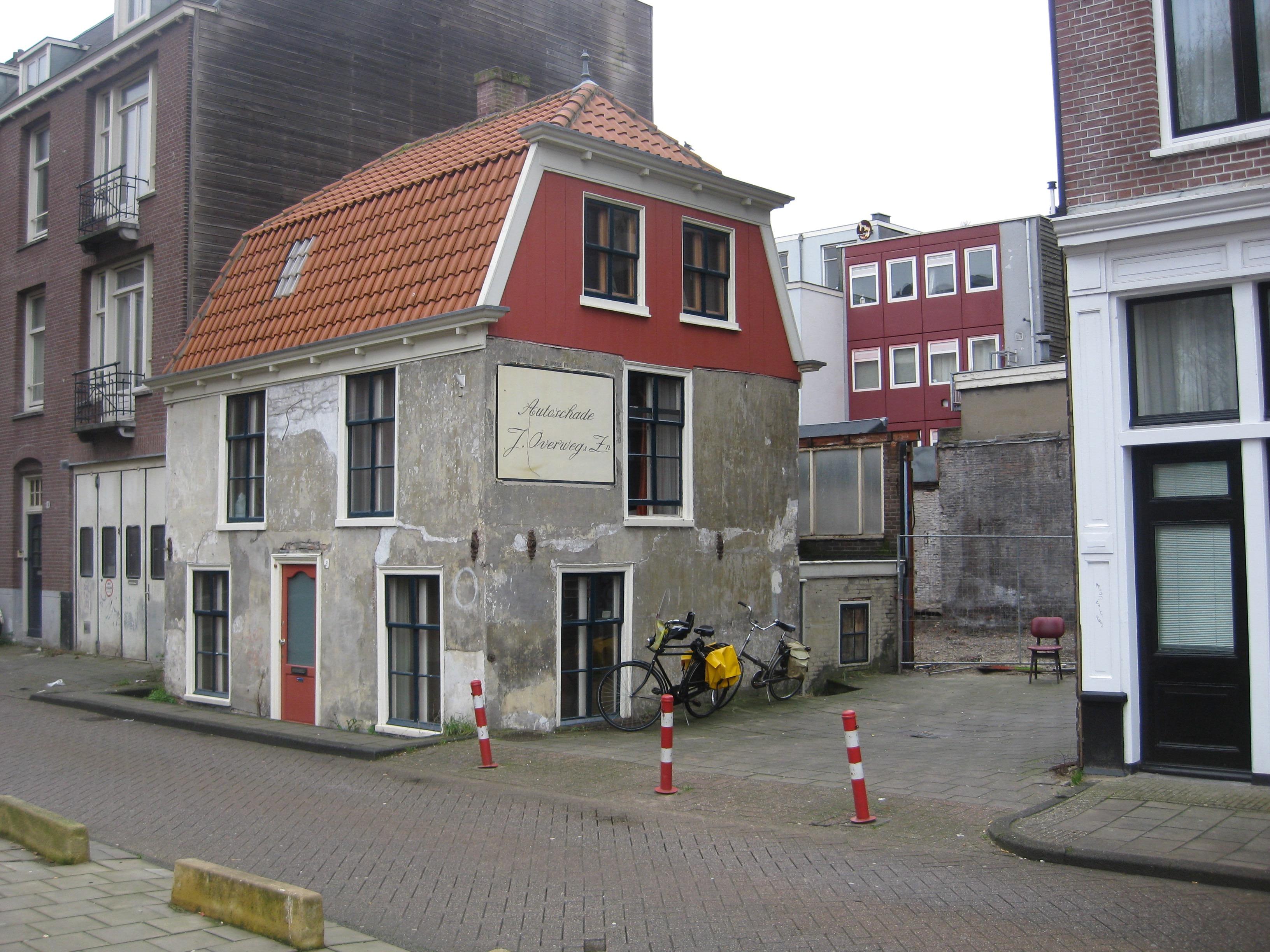
Polderhuis in De Pijp stands in Amsterdam as a small stone workers’ home beside Rustenburgersloot. Its tiled roof marks a building from 1865. When Jan van Bemmel built it, Nieuwer-Amstel held grassy fields, market gardens, and country estates along the Amstel. De Pijp grew densely only after Amsterdam annexed the area in 1896.
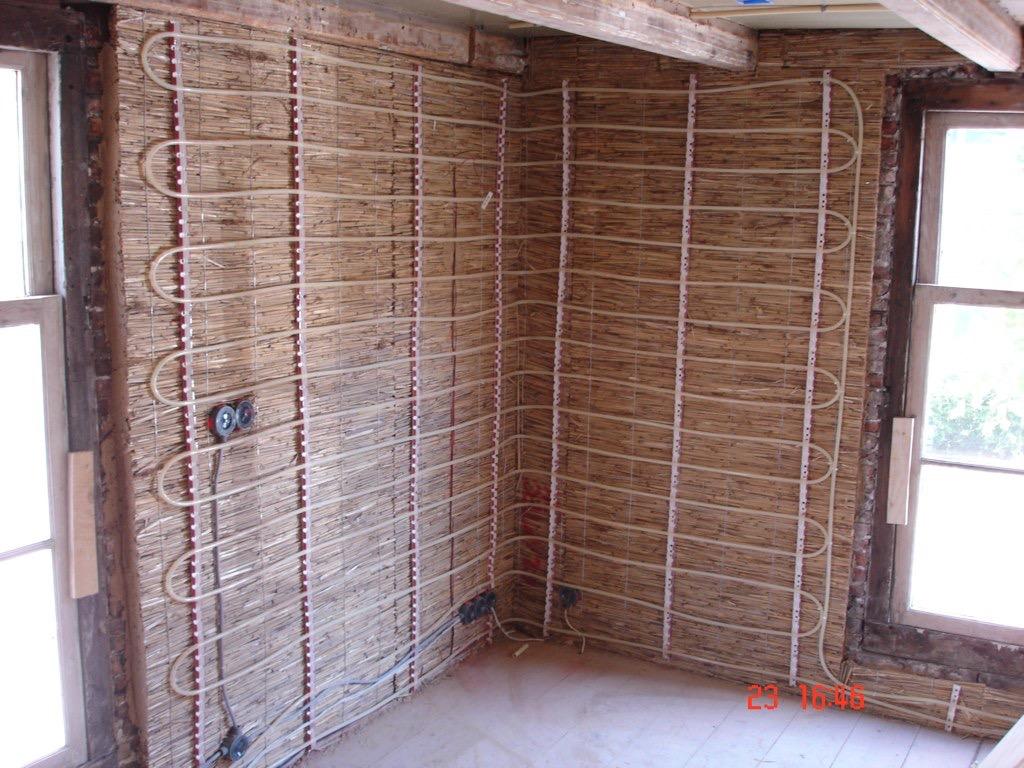
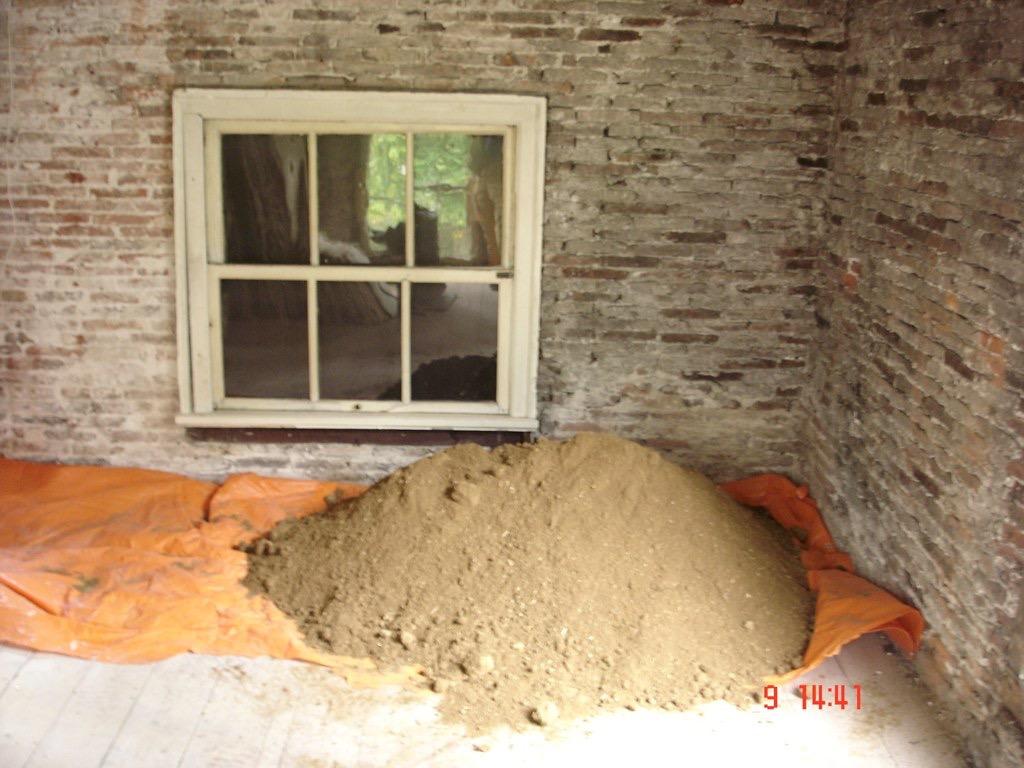
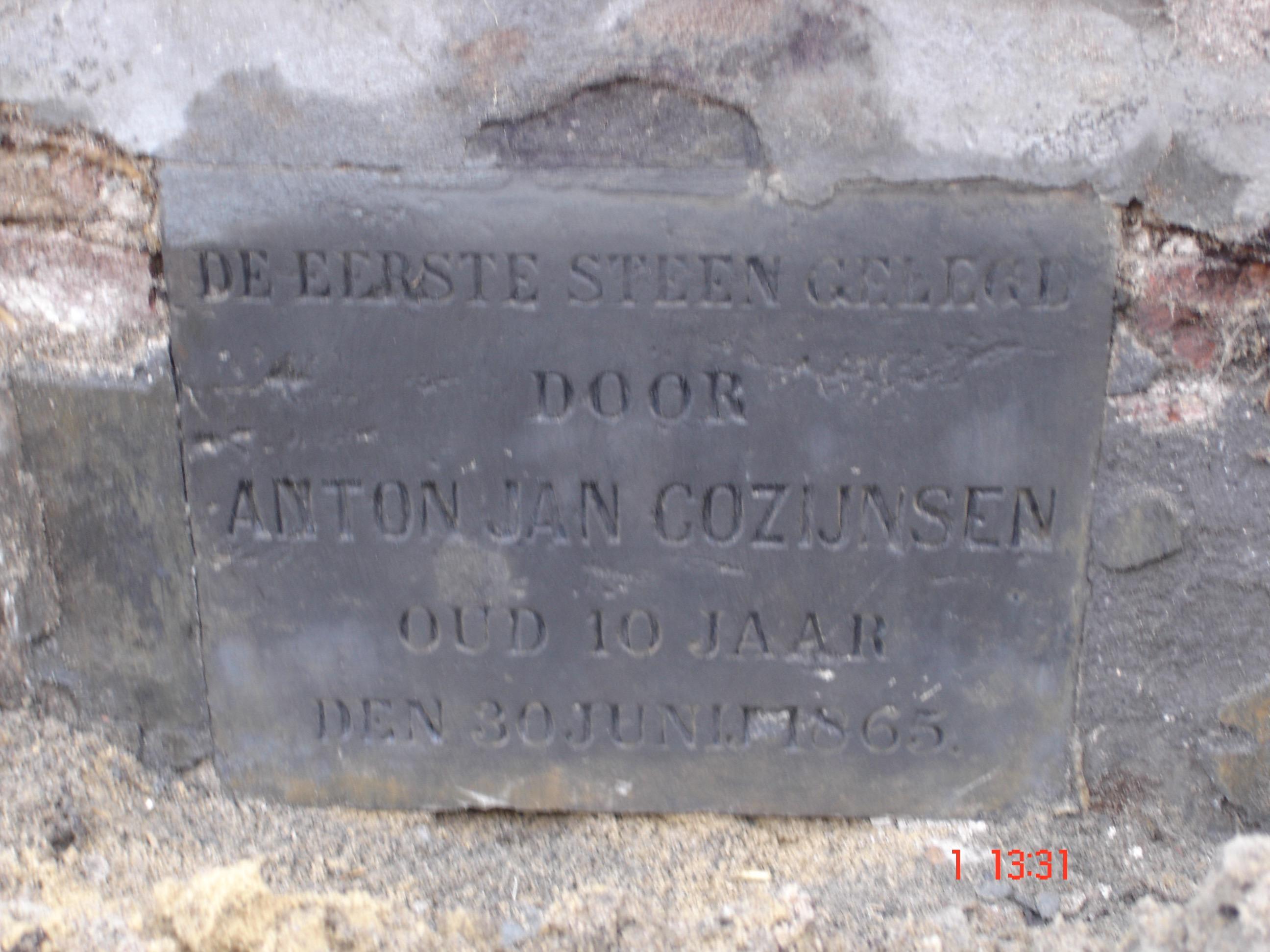
The building survived neglect, a car striking its façade, and a sagging roof protected by increasingly large tarpaulins. Bram Bos moved in during 1988. With Jeltsje Kroes and friends, he began urgent repairs in 1997, then bought the property in early 2002. Full renovation ended in 2015, when Jeanne Bos and Anton Jan Cozijnsen placed the final stone together.
Since 2017, a heat pump and solar collector have kept the monument completely gas-free. Heating uses about 1,250 kilowatt-hours yearly, while hot water uses about 100. Open Monumentendag has welcomed hundreds of visitors to its history and sustainable renovation. A striking detail remains: the final stone echoes the first, laid by an eleven-year-old boy in 1865.
- City
- Amsterdam
- Content updated
Take this page with you
The myTuur app is free, and once you are standing at a spot its story starts by itself.


Spots like this one are the stops myTuur strings into tours through Amsterdam. In the app, each story begins where you stand: walk up to a spot and it starts, read it on screen or listen as you go, then follow the route to the next one.
What is myTuur?
myTuur is a free city-guide app. Its tours are built from spots, and each spot carries a story that starts when you get there, to read or to listen to as you like.